
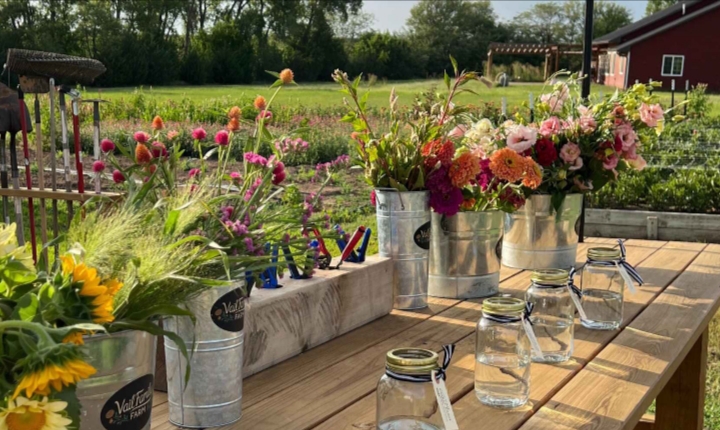
Flower farming for events involves growing flowers specifically for use in occasions such as weddings, corporate gatherings, parties, festivals, and religious ceremonies. Unlike general flower production, this type of farming is focused on meeting strict timelines, maintaining high visual quality, and supplying flowers that match event themes and decorations.
Because events depend on freshness and presentation, farmers must carefully coordinate planting and harvesting schedules to ensure blooms are ready at the exact time they are needed.
What Event Flower Farming Involves
This form of floriculture is based on producing flowers that are harvested and delivered according to event demand. It requires precision because flowers have a short shelf life and must remain fresh for arrangements and decorations.
Commonly grown varieties include roses, lilies, orchids, sunflowers, carnations, and chrysanthemums due to their popularity in event styling.
Benefits of Flower Farming for Events
This farming niche can be highly profitable because:
- Events usually require large quantities of flowers at once
- Customers prioritize freshness and appearance
- Wedding and luxury events often pay premium prices
- Demand increases during festive and wedding seasons
- Long-term supply agreements can be made with planners and venues
How to Start Event-Based Flower Farming
1. Pick a suitable growing environment
A good location should have fertile, well-drained soil, steady water access, and adequate sunlight. Moderate climates are often preferred for stable flower production.
2. Grow in-demand flower varieties
Focus on flowers commonly used in decorations:
- Roses for weddings and romantic occasions
- Lilies for formal and elegant settings
- Sunflowers for outdoor and rustic themes
- Orchids for upscale events
- Carnations and chrysanthemums for bulk decoration needs
3. Time your planting carefully
Successful production depends on planting flowers in cycles so they bloom exactly when events are scheduled. Proper timing ensures continuous supply throughout peak seasons.
4. Use proper irrigation and protection methods
Systems like drip irrigation, shade nets, and greenhouses help improve yield quality and protect flowers from pests and weather changes.
5. Handle harvesting and storage correctly
After harvesting, flowers must be carefully cut, cooled, and packaged to maintain freshness. Cold storage can help extend shelf life before delivery.
Working with Event Clients
Success in this business depends on strong relationships with customers such as:
- Wedding and event planners
- Hotels and banquet halls
- Religious and cultural organizers
- Corporate event managers
Consistent service often leads to repeat orders and long-term contracts.
Revenue and Business Approach
Pricing varies depending on flower type, season, and order size. Weddings and premium events typically offer higher profit margins.
Farmers may also provide bundled services such as:
- Bulk flower supply
- Pre-arranged bouquets
- Full event decoration support
- Regular supply contracts for venues
Common Challenges
Event flower farming also comes with difficulties:
- Weather changes affecting bloom timing
- Short shelf life of flowers
- High competition, including imported flowers
- Need for fast and reliable delivery
- Precise coordination with event schedules
Tips for Better Results
To succeed in this field, farmers should:
- Start with a small range of high-demand flowers
- Maintain strict planting and harvesting schedules
- Consider greenhouse farming for better control
- Build strong connections with event professionals
- Focus on consistent quality rather than quantity
- Study seasonal and local demand patterns
Final Summary
Event flower farming blends agriculture with the creative demands of the event industry. With proper planning, timing, and customer relationships, it can become a stable and profitable business, especially in regions with active celebration and wedding markets.