
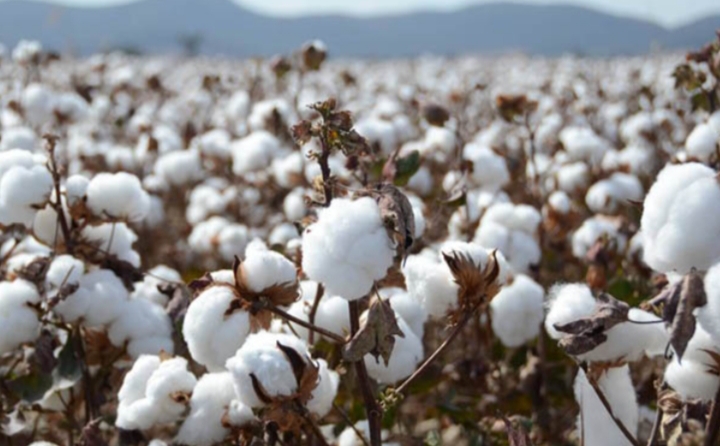
Cotton has been a cornerstone of agriculture and textile manufacturing for generations, supplying raw material for clothing, household goods, and industrial products around the world. However, rising production costs, environmental concerns, and competition from synthetic fabrics have challenged the industry’s growth in recent decades.
Today, many experts and farmers are asking whether cotton farming is experiencing a resurgence. While the answer varies by region, several emerging trends suggest that cotton production may be gaining renewed momentum.
The Changing Landscape of Cotton Production
For years, cotton has remained one of the most widely cultivated cash crops globally. Major producing nations continue to rely on cotton as an important source of agricultural income and export revenue.
Despite its economic importance, cotton farming has faced numerous obstacles, including:
- Increasing operational expenses
- Unpredictable weather patterns
- Pest and disease pressures
- Price fluctuations in global markets
- Competition from synthetic textile fibers
As a result, some growers have reduced cotton acreage or shifted to alternative crops with potentially higher returns.
Factors Driving Renewed Interest in Cotton
Several developments are helping boost confidence in the cotton industry.
Growing Preference for Natural Materials
Consumers are becoming more aware of the environmental impact of synthetic textiles. As a result, many are seeking products made from natural, biodegradable fibers.
Cotton’s comfort, durability, and natural origins make it an appealing choice for environmentally conscious shoppers and sustainable fashion brands.
Improvements in Agricultural Technology
Modern farming innovations have significantly improved cotton production. Advanced seed varieties, precision farming techniques, and more efficient irrigation systems are helping farmers increase productivity while reducing waste.
These technological advancements can improve profitability and make cotton cultivation more sustainable.
Continued Demand from the Textile Sector
Global demand for clothing and textile products remains strong. Cotton continues to be valued for its softness, versatility, and wide range of applications.
As the textile industry grows, demand for cotton is expected to remain an important driver of production.
Support from Governments and Industry Groups
In some regions, cotton growers benefit from agricultural support programs, research initiatives, and training opportunities designed to improve productivity and sustainability.
These efforts can help farmers navigate market challenges and remain competitive.
Challenges Still Facing Cotton Farmers
Although there are signs of renewed growth, cotton farming continues to face significant hurdles.
Climate-Related Risks
Extreme weather events such as droughts, floods, and heat waves can negatively impact cotton yields and crop quality.
Adapting to changing climate conditions remains a critical challenge for producers.
Concerns About Water Consumption
Cotton cultivation has historically been associated with high water use in certain growing regions. As water resources become more limited, farmers are under increasing pressure to adopt efficient irrigation practices.
Unstable Market Prices
Like many agricultural commodities, cotton prices can fluctuate based on global supply and demand, trade policies, and economic conditions. These price swings can affect farm profitability and planning.
Competition from Man-Made Fibers
Synthetic materials such as polyester continue to dominate portions of the textile market due to their affordability and widespread availability.
This competition remains one of the industry’s ongoing challenges.
Is Cotton Farming Still Profitable?
The profitability of cotton farming depends on factors such as location, production costs, crop yields, and market conditions. Farmers who adopt modern technologies and sustainable farming practices may be better positioned to maintain profitability.
In regions with favorable growing conditions and strong market access, cotton can still serve as a valuable cash crop.
The Future of Cotton Farming
Looking ahead, the cotton industry is likely to be shaped by innovation, sustainability efforts, and changing consumer preferences. Growing demand for natural fibers may create new opportunities for producers, particularly those who focus on environmentally responsible farming methods.
Success will depend on the industry’s ability to address challenges related to climate change, water management, and market volatility while continuing to improve production efficiency.
Conclusion
Cotton farming remains an important part of global agriculture, and recent developments suggest that interest in the crop is increasing once again. Rising demand for natural textiles, advances in farming technology, and sustainability initiatives are helping support the industry’s future.
While obstacles such as climate pressures and market uncertainty persist, cotton continues to offer opportunities for farmers willing to adapt to evolving conditions. Whether the industry experiences a full-scale revival remains to be seen, but cotton is far from losing its relevance in the modern agricultural economy.