
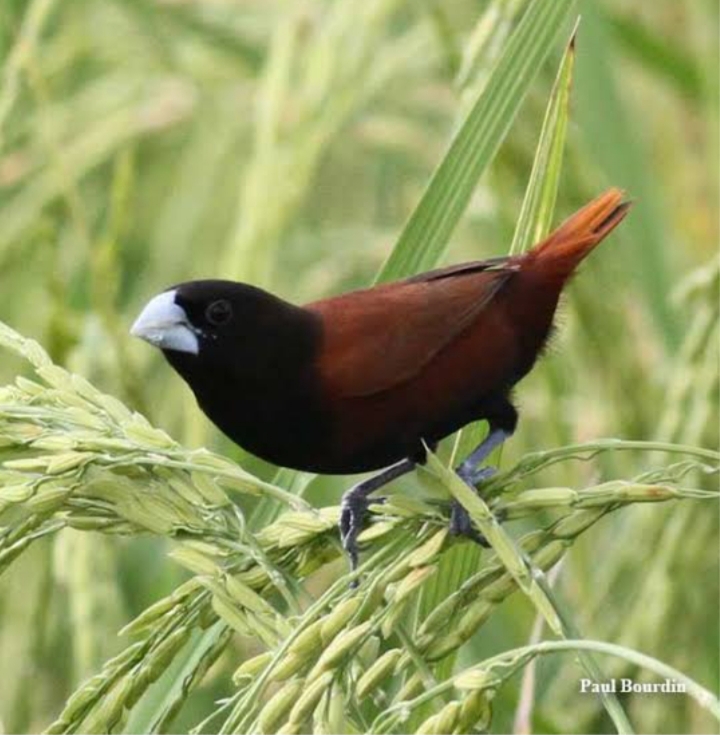
Birds are a common pest in rice farming, especially when the grains begin to mature. They can cause serious yield losses if not properly controlled. Farmers typically rely on two main approaches to protect their fields: physical barriers like nets and deterrent or scaring methods. Each has strengths and weaknesses depending on farm size, cost, and level of bird pressure.
Bird Netting as a Control Method
Netting involves covering rice plots with protective mesh to physically block birds from accessing the crop. When properly installed, it offers strong and consistent protection.
Advantages of Netting
- Provides continuous, round-the-clock protection
- Very effective against most bird species
- Reduces the need for constant supervision
- Can be reused if handled and stored well
Limitations of Netting
- High initial setup cost
- Requires effort and time to install
- Less suitable for very large rice fields
- Damage to nets can reduce effectiveness
Netting is often best suited for small-scale farms, experimental plots, or high-value rice production areas where losses must be minimized.
Scaring or Deterrent Methods
Scaring techniques aim to drive birds away using visual, auditory, or movement-based distractions. These may include scarecrows, shiny reflective materials, noise devices, flags, or sound recordings of bird distress calls.
Advantages of Scaring Methods
- Relatively low cost
- Easy to set up and adjust
- Suitable for large fields
- Can be combined with other control strategies
Limitations of Scaring Methods
- Birds can get used to them over time
- Effectiveness decreases without regular changes
- Requires frequent monitoring and repositioning
- Protection may be inconsistent
To remain effective, scaring tools must be rotated or changed regularly to prevent birds from adapting.
Which Option Works Better?
The choice depends on the situation:
- For strong protection: Netting is more dependable since it physically blocks birds from reaching the crop.
- For large farms: Scaring methods are more practical and cost-efficient.
- Best overall approach: Combining both methods often gives the best results.
Using scaring techniques early and applying nets in vulnerable areas can help reduce losses while keeping costs under control.
Final Note
Both netting and scaring methods play important roles in managing bird damage in rice cultivation. Netting provides stronger protection but is more expensive, while scaring methods are cheaper but less reliable over time. A balanced or combined approach often delivers the most effective results for farmers.