
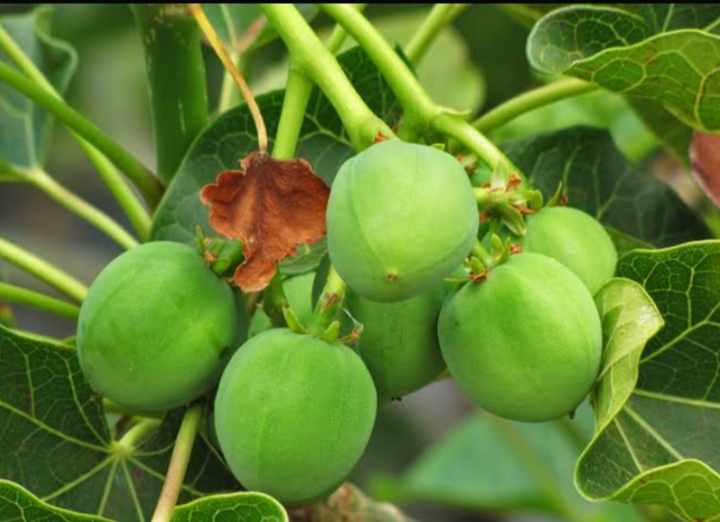
As the world searches for alternative energy sources and sustainable industrial raw materials, jatropha has emerged as a crop of growing interest. Known for its oil-rich seeds, jatropha is primarily cultivated for biofuel production, but its applications extend into several industrial sectors as well. This dual demand has positioned the crop as a potential income-generating opportunity for farmers and agribusiness investors.
What Is Jatropha?
Jatropha is a drought-tolerant shrub that produces seeds containing high levels of non-edible oil. Because the oil is unsuitable for human consumption, it can be used for industrial purposes without competing directly with food crops.
The plant thrives in warm climates and can grow on marginal lands where many conventional crops struggle to survive.
Jatropha and the Biofuel Industry
One of the main reasons for global interest in jatropha is its potential as a renewable energy source. Oil extracted from jatropha seeds can be processed into biodiesel, which can be used as an alternative to conventional fossil fuels.
Benefits of jatropha-based biodiesel include:
- Renewable energy production
- Reduced dependence on petroleum fuels
- Lower greenhouse gas emissions compared to some fossil fuels
- Utilization of non-food agricultural land
As governments and industries seek cleaner energy solutions, demand for biodiesel feedstocks continues to create opportunities for jatropha producers.
Industrial Applications Beyond Biofuel
Jatropha oil is also used in various industrial processes. Depending on processing methods and market demand, it may serve as a raw material for:
- Soap manufacturing
- Lubricants
- Candles
- Industrial chemicals
- Specialty products requiring vegetable oils
These additional uses help diversify market opportunities and reduce dependence on a single industry.
Advantages of Cultivating Jatropha
Drought Tolerance
Jatropha can survive in relatively dry environments, making it suitable for areas with limited rainfall.
Non-Food Crop Status
Because its seeds are toxic and non-edible, cultivation does not directly compete with food production.
Multiple Market Opportunities
Farmers may benefit from supplying both energy-related industries and industrial manufacturers, depending on local market conditions.
Important Considerations
While jatropha offers potential, profitability depends on several factors, including:
- Seed yield and plant variety
- Availability of processing facilities
- Access to buyers
- Production costs
- Government policies supporting biofuels
Careful market research is essential before establishing large-scale plantations.
Value Addition Opportunities
Rather than selling raw seeds, producers may increase earnings by participating in processing activities such as:
- Oil extraction
- Biodiesel production
- Seed cake utilization for industrial applications
- Supply of planting materials
Value-added products often provide stronger returns than raw commodity sales.
Sustainability and Future Potential
As industries continue to prioritize renewable resources, interest in crops that support cleaner energy production may grow. Jatropha’s ability to produce oil without entering the food chain gives it a unique position in discussions around sustainable agriculture and energy security.
Conclusion
Jatropha is gaining attention because of its role in both biofuel production and industrial manufacturing. Its oil-rich seeds provide a renewable source of raw material for biodiesel and various industrial products, creating diverse market opportunities for growers. While success depends on market access, production efficiency, and processing infrastructure, jatropha remains a crop with significant potential in the evolving green economy.