
Introduction
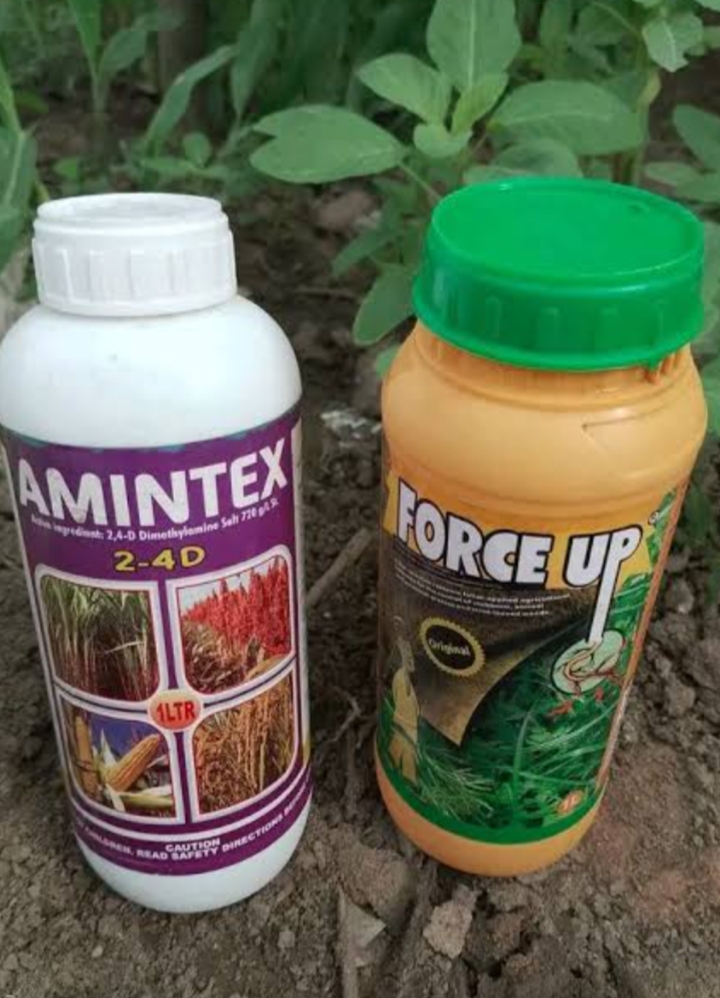
Pesticides are widely used in agriculture to protect crops from insects, weeds, diseases, and other harmful organisms. Their use helps improve crop productivity, maintain food quality, and reduce losses caused by pest attacks. Depending on the number of organisms they affect, pesticides are commonly grouped into two categories: selective pesticides and broad-spectrum pesticides. Understanding these categories is important for making informed decisions in pest control and environmental management.
Selective Pesticides
Selective pesticides are designed to control particular pests or a limited group of closely related species without significantly affecting other organisms. They work by targeting specific biological processes that are unique to the intended pest.
For example, certain biological insecticides are effective against caterpillars but have little impact on beneficial insects such as bees and ladybirds. Because of their precision, selective pesticides are often recommended in sustainable farming and integrated pest management programs.
Benefits of Selective Pesticides
- Protect beneficial insects and natural enemies of pests.
- Help maintain ecological balance in agricultural systems.
- Reduce unnecessary exposure of non-target organisms to chemicals.
- Promote environmentally friendly farming practices.
Limitations of Selective Pesticides
- Accurate pest identification is necessary before application.
- They may not control several pest species at the same time.
- Some products may be more costly or require careful application.
Broad-Spectrum Pesticides
Broad-spectrum pesticides are formulated to eliminate a wide range of pests rather than targeting a specific species. They are commonly used when multiple pests are present or when immediate and extensive pest control is required.
Although effective, these pesticides can affect both harmful and beneficial organisms. As a result, pollinators and natural predators may also be exposed to their effects.
Benefits of Broad-Spectrum Pesticides
- Provide control of various pests with a single treatment.
- Act quickly during severe pest outbreaks.
- Useful when the exact pest species is unknown.
- Simplify pest management by reducing the number of products needed.
Limitations of Broad-Spectrum Pesticides
- Can damage beneficial organisms and wildlife.
- May disturb natural ecosystems and reduce biodiversity.
- Increase the risk of pests developing resistance over time.
- Can lead to future pest outbreaks by destroying natural predators.
Major Differences Between the Two Types
| Aspect | Selective Pesticides | Broad-Spectrum Pesticides |
|---|---|---|
| Range of Action | Targets specific pests | Controls many different pests |
| Effect on Beneficial Organisms | Minimal | Significant |
| Environmental Impact | Generally lower | Generally higher |
| Suitability for IPM | Highly suitable | Less suitable |
| Need for Pest Identification | High | Lower |
| Conservation of Biodiversity | Better | Less effective |
Environmental Impact
Environmental sustainability is an important consideration in pesticide use. Selective pesticides are often preferred because they minimize harm to non-target organisms and help preserve ecological balance. Broad-spectrum pesticides, on the other hand, can affect a wide range of organisms, including pollinators, soil microorganisms, and aquatic species.
Excessive use of broad-spectrum pesticides may also contribute to the development of resistant pest populations, making future pest control efforts more challenging. Therefore, careful selection and responsible use of pesticides are essential.
Conclusion
Selective and broad-spectrum pesticides each have their own advantages and applications in agriculture. Selective pesticides provide targeted pest control while reducing environmental damage, making them a preferred choice for sustainable farming. Broad-spectrum pesticides are valuable for managing multiple pests quickly but can have greater ecological consequences. Choosing the most appropriate pesticide depends on the specific pest problem, environmental concerns, and long-term agricultural objectives.