
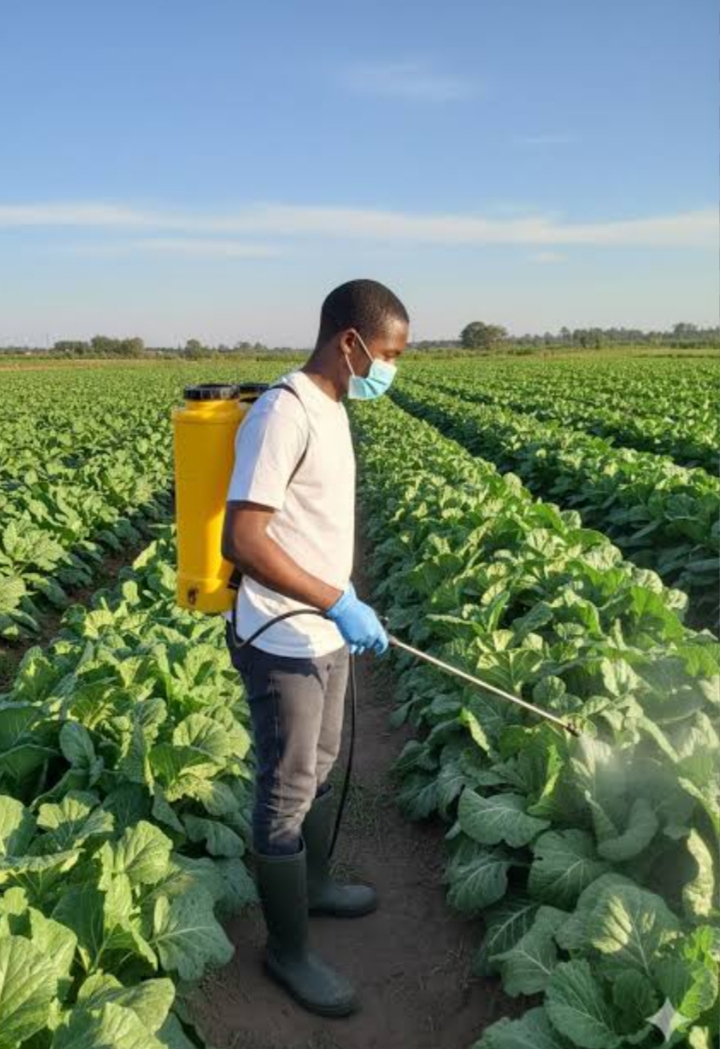
Introduction
Selective pesticides are specially developed to control certain pests while causing minimal harm to beneficial organisms such as pollinators and natural enemies of crop pests. Their success depends largely on proper application. When used correctly, they provide efficient pest control, reduce environmental damage, and help prevent the development of resistant pest populations.
Guidelines for Effective Application
1. Identify the Target Pest Accurately
The first step in using selective pesticides is to determine the exact pest affecting the crop. Because these products are designed for specific pests, incorrect identification may result in poor control and unnecessary expenditure.
2. Select the Right Product
Choose a pesticide that is recommended for the identified pest and the crop being grown. Carefully read the product label to confirm that it is suitable for the intended purpose.
3. Apply at the Appropriate Time
For maximum effectiveness, apply the pesticide when the pest is most susceptible, often during its early stages of development. Avoid spraying during unfavorable weather conditions such as heavy rain, strong winds, or very high temperatures.
4. Follow Recommended Application Rates
Always use the amount specified by the manufacturer. Applying less than the recommended rate may not provide adequate control, while excessive use can increase costs and negatively affect the environment.
5. Ensure Proper Equipment Use
Use clean and properly calibrated spraying equipment to achieve uniform coverage. Well-maintained equipment helps ensure that the pesticide reaches the target area effectively.
6. Focus on Infested Areas
Apply the pesticide only where pest activity is observed. Targeted application reduces unnecessary pesticide use and minimizes exposure to beneficial organisms.
7. Evaluate Treatment Performance
Regularly inspect the crop after application to assess the results. Monitoring allows farmers to determine whether further action is required and helps improve future pest management decisions.
8. Alternate Pesticides When Needed
Continuous use of the same pesticide can encourage resistance among pest populations. Alternating products with different modes of action helps maintain their effectiveness over time.
Safety Measures
- Wear suitable protective clothing and equipment during application.
- Follow all instructions provided on the pesticide label.
- Keep pesticides in secure storage areas away from children and livestock.
- Dispose of containers and unused products responsibly.
- Prevent contamination of water bodies and surrounding environments.
Conclusion
The successful use of selective pesticides depends on proper pest identification, appropriate product selection, correct timing, and adherence to recommended application procedures. By following these practices, farmers can achieve effective pest control while protecting beneficial organisms and promoting environmentally sustainable agriculture.