
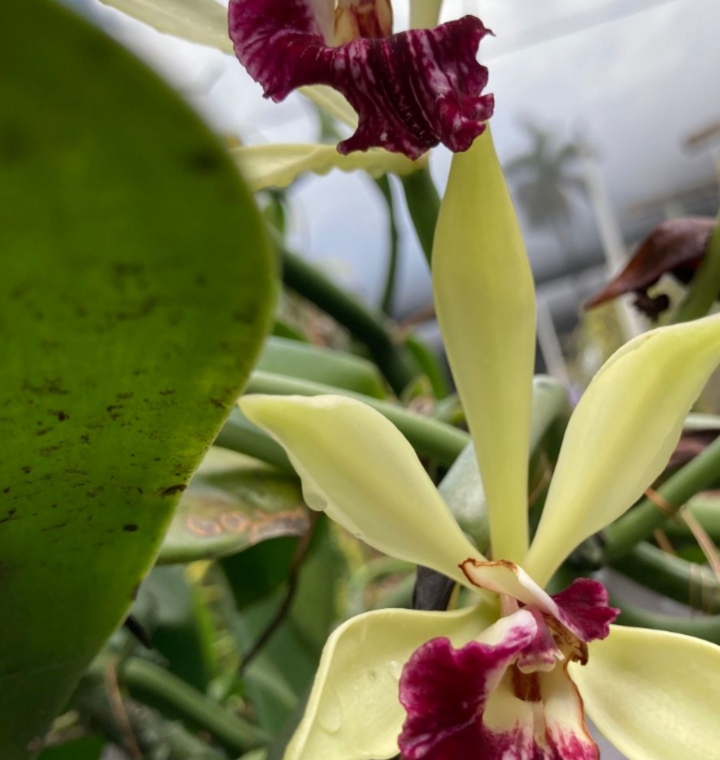
Vanilla is one of the world’s most valuable agricultural commodities, prized for its distinctive flavor and aroma. Derived from the orchid plant Vanilla planifolia, it is widely used in the food, beverage, cosmetic, and fragrance industries. Despite its high market value, vanilla cultivation requires patience, skill, and intensive labor, making it both a challenging and rewarding crop for farmers.
Why Vanilla Is Considered a High-Value Crop
Vanilla commands premium prices because of its labor-intensive production process. Unlike many crops that rely on natural pollination, vanilla flowers often require hand pollination to produce beans. In addition, the curing process can take several months before the beans are ready for sale.
The combination of limited supply, growing global demand, and lengthy production cycles contributes to vanilla’s high market value.
Ideal Growing Conditions
Vanilla thrives in tropical and subtropical climates with:
Warm temperatures between 21°C and 32°C
High humidity levels
Well-distributed rainfall
Partial shade
Well-drained, organic-rich soils
The crop is commonly grown under shade trees or in agroforestry systems that mimic its natural forest environment.
Establishing a Vanilla Farm
Vanilla is typically propagated using stem cuttings rather than seeds. Farmers plant the cuttings near support structures such as trees, poles, or trellises, allowing the vines to climb as they grow.
Key establishment steps include:
Preparing fertile, well-drained soil.
Installing suitable support systems.
Planting healthy vine cuttings.
Providing adequate shade and moisture.
Managing weeds and pests regularly.
Vanilla vines generally begin flowering after two to three years, depending on growing conditions.
Pollination and Crop Management
One of the most important aspects of vanilla farming is pollination. In many regions, farmers must hand-pollinate each flower because the natural pollinators found in vanilla’s native habitat are absent.
Since each flower remains open for only a short period, timely pollination is essential for successful pod development.
Regular pruning, mulching, irrigation, and disease management also play important roles in maintaining healthy vines and maximizing yields.
Harvesting and Processing
Vanilla beans are usually harvested when they reach maturity but before fully ripening. Freshly harvested beans have little aroma and require a specialized curing process.
The curing stages generally include:
Harvesting
Blanching or killing
Sweating
Drying
Conditioning
This process may take several months and is critical for developing the rich flavor and fragrance associated with high-quality vanilla.
Market Opportunities
Vanilla has diverse market applications, including:
Food and beverage production
Baking and confectionery
Ice cream manufacturing
Cosmetics and perfumes
Essential oils and extracts
Demand for natural vanilla continues to grow as consumers increasingly prefer natural ingredients over synthetic alternatives.
Challenges of Vanilla Farming
Although profitable, vanilla farming presents several challenges:
High labor requirements
Long production period before returns
Disease and pest risks
Price fluctuations in global markets
Need for specialized curing knowledge
Farmers must be prepared to invest time and resources before realizing significant profits.
Profit Potential
When managed effectively, vanilla can generate higher returns per hectare than many traditional crops. Premium-quality cured beans often attract strong prices in domestic and international markets.
However, profitability depends on factors such as yield, bean quality, processing standards, market access, and prevailing market prices.
Conclusion
Vanilla farming offers an attractive opportunity for farmers seeking a high-value crop with strong market demand. While the crop requires careful management, hand pollination, and a lengthy curing process, the potential rewards can be substantial.
For growers operating in suitable tropical climates, vanilla represents more than just a specialty crop it can be a profitable agricultural enterprise that benefits from growing global demand for natural flavors and premium products.