
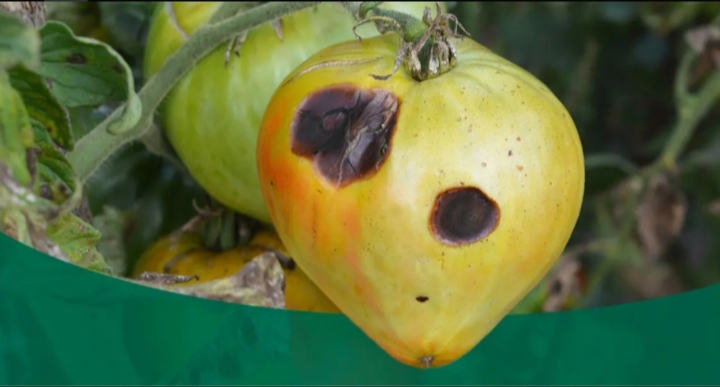
Crop diseases are a major challenge for farmers worldwide, causing significant losses in yield, quality, and income. Whether you grow cereals, vegetables, fruits, or legumes, recognizing the early signs of disease can make the difference between a healthy harvest and a devastating crop failure. Regular field inspections and prompt action are essential for preventing diseases from spreading and protecting your investment.
Why Early Detection Is Important
Many crop diseases begin with subtle symptoms that are easy to overlook. By the time severe damage becomes visible, the disease may have spread throughout the field. Early identification allows farmers to apply the right control measures, reduce production costs, and improve crop productivity.
Common Crop Disease Symptoms You Shouldn’t Ignore
- Yellowing Leaves
Leaves turning yellow, also known as chlorosis, can signal fungal, bacterial, or viral infections. It may also indicate root damage or nutrient deficiencies. If yellowing spreads rapidly or affects many plants, investigate the cause immediately.
- Brown or Black Leaf Spots
Small spots on leaves often develop into larger lesions that reduce the plant’s ability to photosynthesize. These spots are common symptoms of fungal and bacterial diseases and should be treated before they spread.
- Wilting Despite Adequate Water
Plants that wilt even when the soil is moist may be suffering from root rot or vascular diseases that block water movement inside the plant. Persistent wilting is a serious warning sign that requires immediate attention.
- Powdery or Fuzzy Growth
A white, gray, or fuzzy coating on leaves, stems, or fruits is usually caused by fungal diseases such as powdery mildew. Left untreated, these infections can weaken plants and reduce crop yields.
- Leaf Curling and Distortion
Leaves that curl, wrinkle, or become misshapen may indicate viral infections, insect damage, or herbicide injury. Viral diseases often spread quickly through insect vectors, making early detection critical.
- Mosaic Patterns on Leaves
Irregular light and dark green patches forming a mosaic pattern are classic symptoms of viral diseases. Infected plants typically experience stunted growth and reduced productivity.
- Stem Cankers and Lesions
Dark, sunken, or cracked areas on stems can interrupt the movement of water and nutrients throughout the plant. These lesions are often caused by fungal or bacterial pathogens and may eventually kill affected plants.
- Fruit Rot
Soft, discolored, or decaying fruits are signs of disease that can spread rapidly during storage and transport. Removing infected fruits promptly helps prevent further contamination.
- Root Rot
Healthy roots are firm and white. Diseased roots become dark, soft, and may emit an unpleasant odor. Root rot reduces water and nutrient uptake, leading to poor plant growth.
- Stunted Growth
Plants that grow slowly or remain unusually small despite proper care may be affected by disease. Stunted crops often produce fewer flowers and fruits, resulting in lower yields.
Factors That Increase Disease Risk
Several conditions encourage the development and spread of crop diseases, including:
High humidity and excessive rainfall.
Poor drainage and waterlogged soils.
Overcrowded planting.
Contaminated seeds or planting materials.
Insect pests that transmit pathogens.
Poor field sanitation.
Managing these factors can significantly reduce disease outbreaks.
Preventing Crop Diseases
Farmers can minimize crop diseases by following good agricultural practices, such as:
Planting certified disease-free seeds.
Rotating crops to break disease cycles.
Removing and destroying infected plant material.
Keeping fields free from weeds and crop debris.
Providing proper spacing to improve air circulation.
Watering plants appropriately and avoiding prolonged leaf wetness.
Monitoring crops regularly for early signs of disease.
Applying recommended fungicides or bactericides only when necessary and according to label instructions.
What to Do If You Notice Symptoms
When disease symptoms appear:
Inspect affected plants carefully.
Isolate or remove infected plants if possible.
Identify the likely cause or seek advice from an agricultural extension officer or crop specialist.
Apply the appropriate treatment promptly.
Continue monitoring nearby plants to prevent further spread.
Timely action can save a large portion of the crop and reduce economic losses.
Conclusion
Crop diseases can spread quickly and cause serious damage if ignored. Symptoms such as yellowing leaves, leaf spots, wilting, powdery growth, mosaic patterns, fruit rot, root decay, and stunted growth should never be overlooked. Regular field monitoring, accurate diagnosis, and prompt management are the foundation of successful crop protection. By acting early, farmers can maintain healthy crops, improve yields, and ensure sustainable agricultural production.