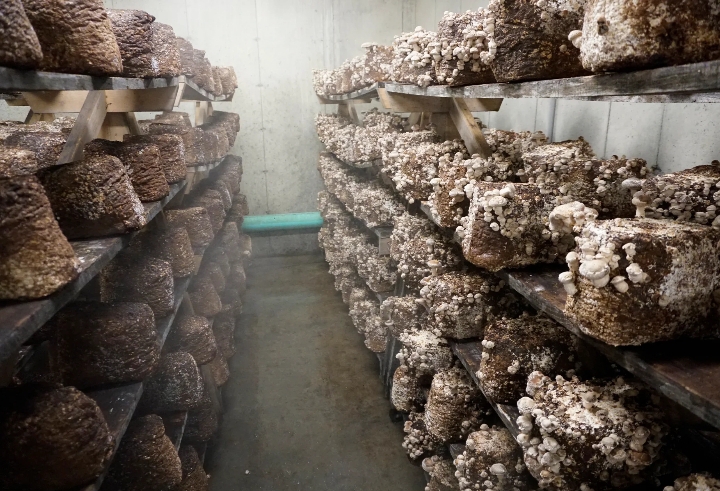
Growing mushrooms at home is an enjoyable and practical way to produce fresh food without needing a large garden or farmland. Unlike many vegetables, mushrooms thrive in cool, humid environments and can be cultivated indoors, making them an excellent choice for people living in apartments or homes with limited outdoor space.
With the right setup and proper care, you can successfully grow edible mushrooms in a spare room, corner, or other suitable indoor area.
Why Grow Mushrooms Indoors?
Indoor mushroom farming offers several advantages. It allows you to control temperature, humidity, and cleanliness, which are essential for healthy mushroom growth. Since the growing environment is protected from harsh weather, you can cultivate mushrooms throughout the year.
Home-grown mushrooms are also fresher than store-bought varieties and can help reduce grocery expenses over time.
Best Mushroom Varieties for Beginners
Some mushrooms are easier to grow than others. If you’re new to mushroom cultivation, consider starting with:
Oyster mushrooms
White button mushrooms
Shiitake mushrooms
Lion’s mane mushrooms
Oyster mushrooms are often recommended for beginners because they grow quickly, adapt well to different growing materials, and require relatively simple care.
Choosing the Right Room
Select a clean room that can maintain stable conditions. The ideal space should have:
Good ventilation
Limited direct sunlight
Moderate temperatures
High humidity
Protection from insects and contaminants
Many people successfully grow mushrooms in a spare bedroom, storage room, basement, or enclosed balcony.
Gather Your Supplies
To start growing mushrooms indoors, you’ll typically need:
Mushroom spawn or a mushroom grow kit
A suitable growing substrate, depending on the mushroom species
Clean containers or grow bags
A spray bottle for misting
A thermometer and hygrometer to monitor temperature and humidity
Gloves and basic cleaning supplies to maintain hygiene
Using a ready-made mushroom grow kit is often the simplest option for beginners.
Prepare the Growing Area
Clean the room thoroughly before introducing your growing materials. Good hygiene helps reduce the risk of mold and other contaminants that can compete with your mushrooms.
Arrange your grow bags or containers on shelves or racks to maximize space while allowing air to circulate around them.
Maintain the Right Environment
Mushrooms require conditions that differ from most houseplants.
Pay attention to:
Humidity: Keep the growing area moist by misting regularly or using a humidifier if necessary.
Temperature: Maintain a temperature suitable for your chosen mushroom variety.
Fresh air: Provide gentle ventilation to prevent stale air while avoiding strong drafts.
Light: Most edible mushrooms need only indirect light during the fruiting stage.
Monitoring these conditions daily will improve your chances of a successful harvest.
Water Carefully
Mushrooms do not need watering in the same way as traditional plants. Instead, lightly mist the growing area or substrate to maintain humidity without soaking it.
Overwatering can encourage mold and reduce mushroom growth.
Harvest at the Right Time
Most mushrooms are ready to harvest when their caps have fully developed but before they begin releasing large amounts of spores.
Harvest by gently twisting or cutting the mushrooms at the base using a clean knife. Prompt harvesting encourages additional flushes of mushrooms from the same growing medium.
Common Challenges
Indoor mushroom growers may encounter problems such as:
Mold contamination
Low humidity
Poor ventilation
Incorrect temperatures
Overwatering
Maintaining a clean environment and monitoring growing conditions regularly can help prevent many of these issues.
Is Indoor Mushroom Farming Profitable?
For hobbyists, growing mushrooms indoors provides fresh produce for home cooking. As your experience grows, you may be able to expand into small-scale commercial production by supplying local markets, restaurants, or grocery stores.
Success depends on consistent quality, proper hygiene, and understanding the requirements of your chosen mushroom species.
Final Thoughts
Mushroom farming in your room is an accessible way to grow nutritious food at home, even if you have limited space. By choosing beginner-friendly mushroom varieties, maintaining a clean growing environment, and providing the right temperature and humidity, you can enjoy fresh mushrooms throughout the year.
Whether your goal is to supply your kitchen or explore a small business opportunity, indoor mushroom cultivation is a rewarding project that combines sustainable food production with practical gardening skills.