
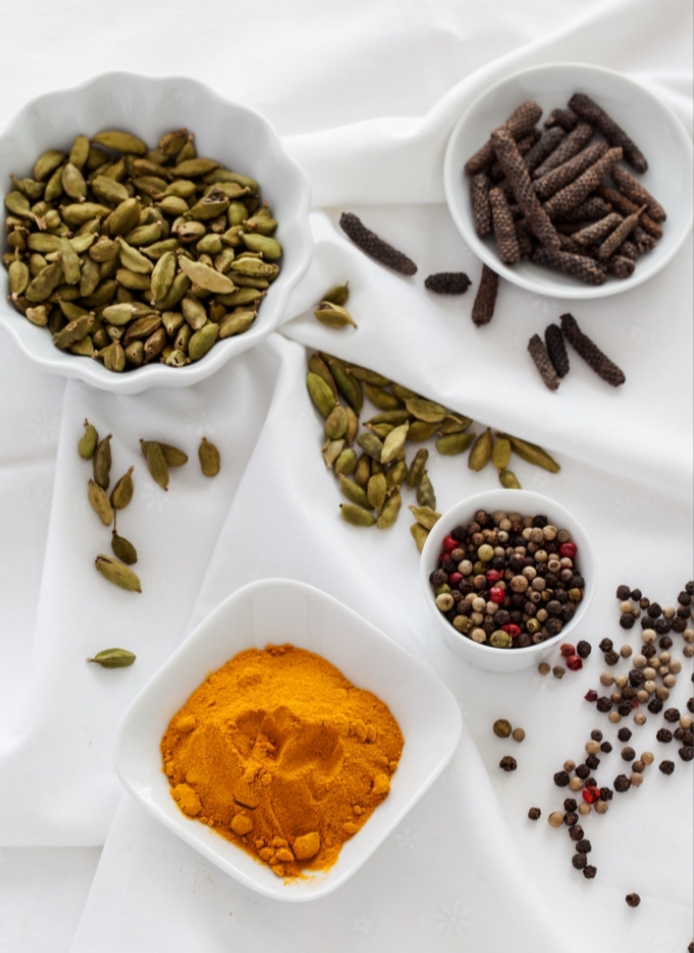
Spice farming is an increasingly attractive agricultural venture for home gardeners and commercial farmers alike. Spices such as turmeric, black pepper, and cardamom are widely used in cooking, traditional medicine, and food processing, making them valuable crops with steady market demand.
Whether you have a backyard garden or a larger piece of farmland, learning how to cultivate these spices can provide both personal and financial rewards. This guide explains the growing requirements, care tips, and harvesting methods for three of the world’s most popular spices.
Why Grow Spices?
Spices are prized for their flavor, aroma, and versatility. In addition to enhancing meals, many are used in herbal products, cosmetics, and health supplements. Since they generally have a long shelf life when properly dried and stored, spice crops can also offer farmers greater marketing flexibility than many perishable vegetables.
With proper management, spice farming can become a profitable addition to a diversified agricultural enterprise.
Growing Turmeric
Turmeric is a tropical plant grown primarily for its underground rhizomes, which are harvested, dried, and ground into the familiar golden-yellow spice.
Growing Conditions
Turmeric thrives in warm, humid climates with well-drained, fertile soil rich in organic matter. It performs best in partial shade or filtered sunlight and requires consistent moisture throughout its growing season.
Planting
Plant healthy rhizomes with visible buds several centimeters below the soil surface, leaving enough space between plants for proper development.
Care
Maintain evenly moist soil without allowing it to become waterlogged. Apply compost or well-rotted organic manure to improve soil fertility, and keep the planting area free from weeds.
Harvesting
Turmeric is generally ready for harvest several months after planting, once the leaves begin to yellow and dry naturally. After harvesting, clean, boil, dry, and store the rhizomes before processing them into powder if desired.
Growing Black Pepper
Often called the “King of Spices,” black pepper is a climbing vine cultivated for its peppercorns.
Growing Conditions
Black pepper grows best in tropical climates with warm temperatures, abundant rainfall, and fertile, well-drained soil. Because it is a climbing plant, it requires sturdy support such as wooden stakes, poles, or living trees.
Planting
Propagation is commonly done using healthy stem cuttings planted at the beginning of the rainy season.
Care
Water regularly during dry periods, apply organic fertilizer as needed, and prune excess growth to encourage healthy vines and improve air circulation.
Harvesting
Pepper spikes are harvested when the berries begin changing color but are not yet fully ripe. The berries are then dried until they develop their characteristic black appearance.
Growing Cardamom
Cardamom is one of the world’s most valuable spices, appreciated for its distinctive fragrance and flavor. It is commonly used in tea, desserts, baked goods, and savory dishes.
Growing Conditions
Cardamom prefers cool, humid tropical environments with rich, well-drained soil and partial shade. It naturally grows beneath the canopy of taller trees, making it well suited to agroforestry systems.
Planting
Cardamom can be propagated from seeds or by dividing healthy clumps. Seedlings should be planted with adequate spacing to allow for mature growth.
Care
Maintain consistent soil moisture, apply organic matter regularly, remove weeds, and protect plants from prolonged drought. Mulching helps retain soil moisture and suppress weeds.
Harvesting
Cardamom pods are harvested before they become fully mature to preserve their flavor and aroma. After picking, the pods are carefully dried and stored in airtight containers to maintain quality.
General Tips for Successful Spice Farming
To improve productivity and crop quality:
Choose healthy planting materials.
Use fertile, well-drained soil.
Apply compost or organic fertilizers regularly.
Water consistently without overwatering.
Control weeds early.
Monitor crops for pests and diseases.
Harvest at the appropriate stage of maturity.
Dry and store spices properly to preserve flavor and quality.
Good post-harvest handling is just as important as proper cultivation.
Is Spice Farming Profitable?
The profitability of spice farming depends on factors such as crop selection, climate, production costs, market demand, and product quality. Since turmeric, black pepper, and cardamom are widely consumed around the world, farmers who produce high-quality spices and adopt good farming practices may find attractive market opportunities.
Value addition through cleaning, drying, grinding, or packaging can also increase income.
Final Thoughts
Growing turmeric, black pepper, and cardamom can be a rewarding venture for both home gardeners and commercial farmers. Although each crop has unique growing requirements, they all thrive with fertile soil, adequate moisture, and careful management.
By selecting quality planting materials, maintaining healthy growing conditions, and following proper harvesting and storage practices, you can enjoy fresh spices for home use or develop a profitable agricultural business that meets the growing demand for natural seasonings.