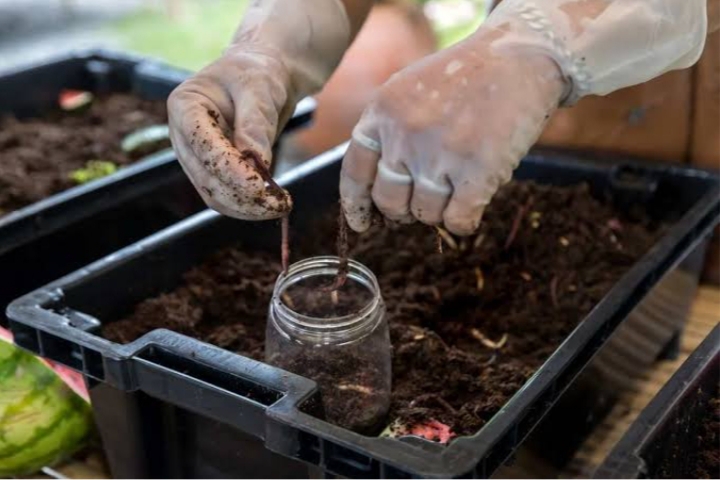
Worm farming, also known as vermiculture, is gaining popularity as an environmentally friendly business that converts organic waste into nutrient-rich compost. With the rising demand for sustainable farming methods and organic fertilizers, producing vermicompost can be a rewarding venture for both beginners and experienced entrepreneurs.
What Is Vermicomposting?
Vermicomposting is a natural process in which composting worms feed on biodegradable materials such as fruit and vegetable scraps, dried leaves, and other organic waste. As the worms digest these materials, they produce vermicompost—a nutrient-rich soil amendment that improves soil structure, enhances fertility, and promotes healthy plant growth.
Because it is produced naturally, vermicompost is widely used by gardeners, farmers, and landscapers seeking eco-friendly alternatives to synthetic fertilizers.
Benefits of Starting a Vermicompost Business
A vermicomposting business offers several advantages. It can be launched with a relatively small investment, requires limited space, and contributes to reducing household and agricultural waste. As more consumers embrace organic gardening and sustainable agriculture, the demand for high-quality compost continues to increase.
Some of the key benefits include:
Affordable startup costs
Eco-friendly waste recycling
Steady demand for organic fertilizers
Opportunities to sell compost as well as composting worms
Flexible operations that can be expanded over time
These advantages make vermiculture an attractive option for small business owners.
Selecting the Right Worm Species
Successful vermicomposting depends on using worm species that efficiently process organic matter. Composting worms reproduce quickly and thrive in decomposing materials, making them ideal for commercial compost production.
Commonly used species include:
Red wigglers
European nightcrawlers
African nightcrawlers in warm climates
Choosing healthy, active worms helps establish a productive composting system.
Setting Up Your Worm Farm
A worm farm can be created using containers, compost bins, or specially designed vermiculture systems. The environment should provide sufficient airflow, proper drainage, and protection from extreme weather conditions.
For healthy worm growth:
Keep the bedding consistently moist but not waterlogged.
Feed worms fresh organic waste on a regular schedule.
Avoid adding meat, dairy products, oily foods, or heavily processed leftovers.
Maintain moderate temperatures suitable for composting worms.
Harvest the finished vermicompost once the organic materials have fully broken down.
Routine care helps ensure continuous compost production and healthy worm populations.
Finding Customers
There are many potential buyers for vermicompost, including home gardeners, commercial farms, plant nurseries, landscaping businesses, garden supply stores, and community gardening projects. In addition to selling compost, you can increase your income by offering composting worms, starter kits, or training sessions on vermiculture.
Building relationships with local growers and promoting the environmental benefits of your products can help expand your customer base.
Challenges to Expect
Although worm farming is relatively simple, it requires ongoing attention. Poor ventilation, excessive moisture, temperature fluctuations, or improper feeding can reduce worm activity and affect compost quality. Regular monitoring and proper maintenance are essential for keeping the system productive.
Tips for Building a Successful Business
To improve your chances of success:
Begin with a manageable operation and expand gradually.
Use clean, organic feed materials.
Monitor moisture, temperature, and bedding conditions regularly.
Package your vermicompost in attractive, clearly labeled bags.
Educate customers about the advantages of organic soil amendments.
Promote your products through local markets, gardening groups, and online platforms.
Providing consistent quality and reliable customer service can help your business grow over time.
Conclusion
A vermicompost business combines environmental responsibility with income-generating potential. By transforming organic waste into a valuable fertilizer, worm farming supports sustainable agriculture while creating multiple business opportunities. With proper management, quality products, and effective marketing, vermiculture can develop into a profitable and long-lasting enterprise.