
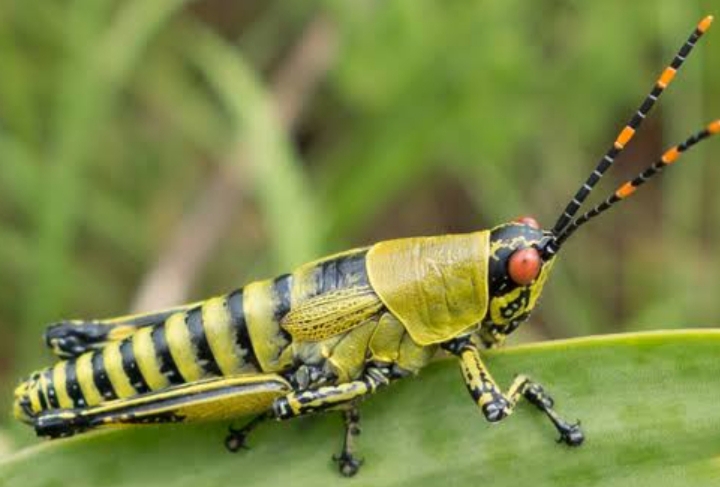
Grasshoppers are a common agricultural pest that can quickly damage maize fields, especially during dry seasons when vegetation is scarce. They feed on leaves, stems, and young seedlings, often causing significant yield losses if not managed early. For many smallholder farmers, the challenge is finding affordable and effective ways to deter them without relying heavily on expensive chemicals.
Start with Field Hygiene
One of the cheapest and most effective deterrents is good field management. Keeping the farm clean by removing weeds around and inside the field reduces hiding and breeding areas for grasshoppers. Since weeds often serve as alternative food sources, controlling them helps push pests away from maize plants.
Use Ash and Dust Barriers
Wood ash is a widely available and low-cost option in many rural areas. Sprinkling ash around maize seedlings or directly on leaves can make the plants less attractive and uncomfortable for grasshoppers. Fine dust or soil can also interfere with their movement and feeding, especially on young crops.
Neem-Based Solutions
Neem remains one of the most accessible botanical deterrents. Crushed neem leaves or neem seed extracts can be mixed with water and sprayed on maize plants. The smell and taste discourage feeding, while also affecting the insect’s growth cycle. Although it does not kill instantly, it reduces damage significantly when applied consistently.
Simple Physical Barriers
For small plots, basic barriers can be effective. Netting, mesh covers, or even temporary fencing around young maize plants can reduce grasshopper entry. While not practical for large farms, these methods are useful for protecting high-value seedlings during early growth stages.
Encourage Natural Predators
Birds, lizards, frogs, and some insect species naturally feed on grasshoppers. Creating a farm environment that supports biodiversity—such as avoiding excessive pesticide use and maintaining nearby vegetation—helps keep grasshopper populations under control naturally.
Hand Collection in Early Infestations
In cases of light infestation, manually picking grasshoppers early in the morning or late evening can reduce their numbers. This method is labour-intensive but cost-free and effective for small farms or gardens.
Crop Timing and Rotation
Planting maize at the right time can reduce exposure to peak grasshopper populations. Early planting, before pest outbreaks increase, often results in less damage. Rotating crops also disrupts pest life cycles and reduces long-term infestation pressure.
Conclusion
Managing grasshoppers in maize does not always require expensive chemicals. Simple, low-cost methods such as field hygiene, ash application, neem sprays, natural predators, and timely planting can significantly reduce damage. The most effective approach is combining several of these strategies to protect crops while keeping costs low and maintaining a healthy farm ecosystem.