
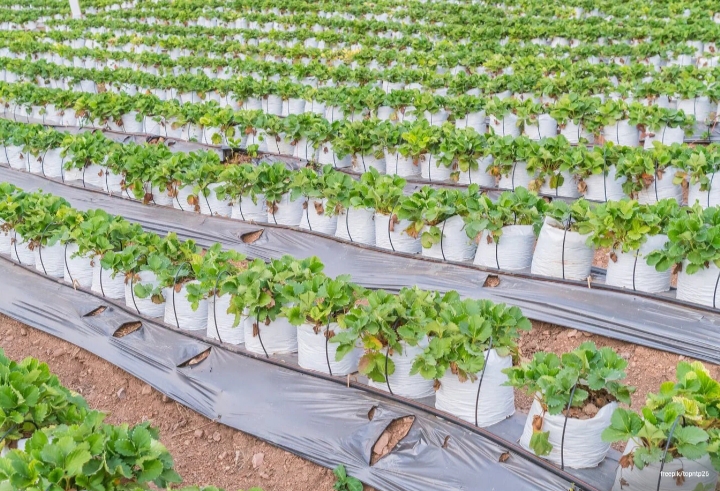
Plastic mulch has become a popular tool in both commercial farming and home gardening because it helps create favorable conditions for plant growth. By covering the soil with a plastic film, growers can reduce weeds, retain moisture, and regulate soil temperature. Although it offers several practical advantages, plastic mulch also presents environmental and maintenance challenges that should be considered before use.
This article explains the key benefits and disadvantages of plastic mulch and highlights sustainable alternatives that can help maintain healthy gardens and crops.
What Is Plastic Mulch?
Plastic mulch is a thin layer of plastic, commonly made from polyethylene or biodegradable materials, placed over the soil around plants. Depending on the crop and growing conditions, gardeners may choose black, clear, white, or reflective mulch, each serving a different purpose, such as warming the soil, limiting weed growth, or helping deter certain pests.
Openings are cut into the material so plants can grow while the surrounding soil remains covered.
Benefits of Plastic Mulch
Controls Weeds
One of the biggest advantages of plastic mulch is its ability to block sunlight from reaching weed seeds. With fewer weeds competing for water and nutrients, crops often grow more efficiently and require less manual weeding.
Helps Retain Moisture
Plastic mulch slows the evaporation of water from the soil, allowing it to stay moist for longer periods. This can reduce irrigation needs, particularly during warm or dry conditions.
Increases Soil Temperature
Dark-colored plastic absorbs heat from the sun, warming the soil in early spring or cooler climates. This can encourage faster seed germination and support quicker plant development.
Keeps Produce Cleaner
By separating fruits and vegetables from the soil, plastic mulch helps reduce mud splashes and minimizes direct contact with damp ground, resulting in cleaner harvests.
May Improve Harvests
The combination of fewer weeds, consistent moisture, and warmer soil can contribute to healthier plants and, in many cases, earlier or more abundant yields.
Drawbacks of Plastic Mulch
Environmental Impact
Conventional plastic mulch is made from petroleum-based materials that can persist in the environment for many years. If pieces remain in the soil after use, they may contribute to plastic pollution.
Difficult Disposal
At the end of the growing season, used mulch often contains soil and plant debris, making recycling difficult. In many locations, disposal options are limited, leading to additional waste.
Additional Expense
Compared with natural mulches, plastic mulch usually costs more upfront. Some growers may also need specialized equipment to install it efficiently over large areas.
Can Overheat the Soil
In regions with high temperatures, certain plastic mulches may trap too much heat, potentially stressing plant roots or reducing the performance of crops that prefer cooler soil.
Limits Rainwater Absorption
Unless drip irrigation or another watering system is used beneath the plastic, rainfall may not penetrate the covered soil effectively, making water management more important.
Sustainable Alternatives to Plastic Mulch
Straw
Straw is an excellent natural mulch that helps suppress weeds, conserve soil moisture, and gradually enrich the soil as it decomposes.
Wood Chips
Wood chips are ideal for trees, shrubs, and perennial beds. They reduce weed growth, help maintain even soil temperatures, and break down slowly over time.
Shredded Leaves
Instead of discarding autumn leaves, shred them and spread them around plants. They provide insulation, improve soil structure, and are an affordable mulch option.
Grass Clippings
Thin layers of untreated grass clippings can help retain moisture and reduce weeds. Only use clippings from lawns that have not been treated with herbicides or pesticides.
Compost
Compost serves a dual purpose by acting as mulch while supplying valuable nutrients and organic matter that improve soil fertility.
Living Ground Covers
Low-growing plants such as clover can function as living mulch. They help reduce erosion, suppress weeds, and create habitat for pollinators and beneficial insects.
Biodegradable Mulch Films
Biodegradable mulch films are designed to break down under suitable conditions after use. They can provide many of the same benefits as traditional plastic mulch while reducing the need for removal, though decomposition rates vary depending on the material and environment.
Choosing the Right Mulch
The best mulch depends on your gardening priorities and local growing conditions.
Plastic mulch is often a good choice when weed control, moisture conservation, and soil warming are the main goals. Organic mulches are better suited for gardeners who want to improve soil quality and reduce environmental impact. Biodegradable mulch films offer a compromise by combining many of the practical advantages of plastic with the potential for less waste.
Conclusion
Plastic mulch can be an effective way to improve growing conditions by limiting weeds, conserving moisture, and promoting healthy plant growth. However, concerns about plastic waste, disposal, and environmental sustainability have encouraged many gardeners to consider alternative mulching methods.
By understanding the strengths and limitations of each option, you can choose a mulch that supports productive gardening while aligning with your environmental and long-term soil health goals.