
Weeds are unwanted plants that compete with crops and garden plants for essential resources like water, nutrients, sunlight, and space. While chemical herbicides can remove weeds quickly, many farmers and gardeners prefer non-chemical approaches to protect soil health, reduce costs, and support a more sustainable environment. Fortunately, several natural methods can effectively manage weeds when applied consistently.
Why Avoid Chemical Weed Killers?
Choosing chemical-free weed control comes with several advantages:
Helps protect soil organisms and beneficial insects
Reduces chemical buildup in soil and crops
Encourages long-term soil health and fertility
Lowers the risk of herbicide-resistant weeds
Supports eco-friendly farming and gardening practices
Using Mulch
Mulching is one of the most reliable ways to suppress weed growth. Materials such as dry leaves, straw, grass clippings, or wood chips are spread over the soil surface to block sunlight, preventing weed seeds from sprouting. Mulch also helps retain moisture and regulate soil temperature.
Manual Weeding
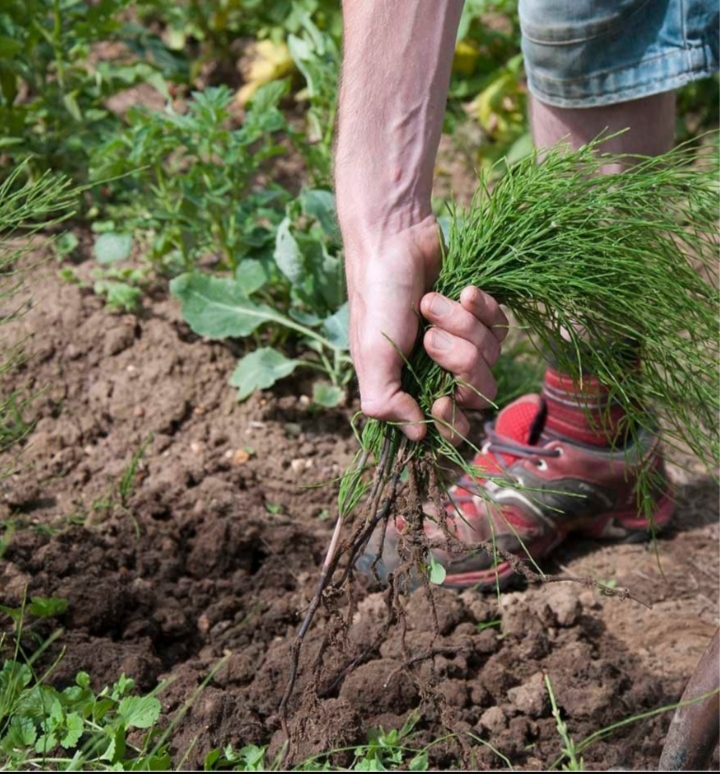
Pulling weeds by hand is simple but effective, especially for small farms and gardens. It works best when the soil is moist, making it easier to remove weeds along with their roots. Regular manual weeding prevents weeds from spreading seeds.
Hoeing the Soil
A hoe can be used to cut weeds just beneath the soil surface, especially when they are still young. Frequent shallow hoeing is effective because it removes weeds before they become strong and established.
Planting Cover Crops
Cover crops grown during off-seasons help reduce weed growth by covering the soil and competing with weeds for light and nutrients. They also improve soil structure and add organic matter when later incorporated into the soil.
Practicing Crop Rotation
Growing different crops in succession helps break the life cycle of weeds. Crop rotation changes field conditions, making it harder for specific weed species to dominate over time.
Proper Crop Spacing
When crops are planted at the correct spacing, they form a canopy that shades the soil surface. This limits sunlight reaching weeds, reducing their ability to grow and spread.
Soil Solarization
In hot climates, soil solarization involves covering moist soil with transparent plastic for several weeks. The trapped heat raises soil temperature enough to kill many weed seeds and seedlings before planting.
Cutting or Mowing Weeds
For larger areas, regularly cutting weeds before they flower helps prevent seed formation. Over time, this weakens perennial weeds and reduces their spread.
Early Weed Management
Weeds are easiest to control when they are young. Regular field inspection and early removal prevent them from becoming established or producing seeds.
Combining Methods for Best Results
No single method can completely eliminate weeds. The most effective strategy is to combine several approaches such as mulching, hoeing, hand weeding, and crop rotation for long-term control.
Conclusion
Controlling weeds without chemicals takes consistency, but it is highly effective when done properly. By using natural methods like mulching, manual removal, crop rotation, and cover cropping, you can manage weeds while maintaining healthy soil and a productive farm or garden.