
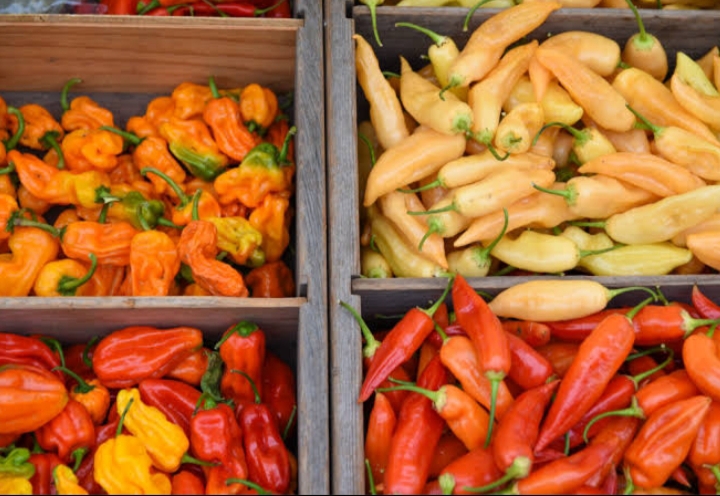
Peppers are not a one-size-fits-all product in the market. Sweet and hot varieties attract different buyers, move at different speeds, and perform differently in terms of profit. Knowing how each behaves in the market is key for anyone in production or trading.
Sweet Peppers: Wider Audience, Consistent Demand
Sweet peppers, especially varieties like Bell pepper, are mild, colorful, and commonly used in everyday meals. Their appeal cuts across households, food vendors, and restaurants.
They are often valued not just for taste but also for appearance, with red, yellow, and green types sometimes priced differently based on ripeness and demand.
Strengths:
- Broad customer base across different income levels
- Strong demand from supermarkets and food service businesses
- Attractive appearance that supports premium pricing
Limitations:
- Shorter shelf life compared to hot peppers
- Higher production and handling costs in some cases
- Prices can vary depending on supply levels
Hot Peppers: Strong Local Demand, Faster Movement
Hot peppers are deeply rooted in many local cuisines and are essential in everyday cooking. While they may not appeal universally, they have a loyal and consistent consumer base.
Examples include Scotch bonnet and Bird’s eye chili, both widely used for adding heat and flavor in meals.
Strengths:
- Steady demand in local and informal markets
- Longer shelf life, making storage easier
- Relatively lower production costs in many regions
Limitations:
- Smaller market compared to sweet peppers
- Prices can drop quickly during harvest seasons
- Limited appeal outside spice-preferred consumers
Choosing the Right Market Approach
The best option depends on your target buyers:
- Sweet peppers suit supermarkets, restaurants, and urban retail markets
- Hot peppers perform well in open markets and local food supply chains
- Combining both can help balance risk and stabilize income
Handling and Distribution
Sweet peppers require faster and more careful handling due to their fragility. Hot peppers are more durable, making them easier to store and transport over longer periods without significant losses.
Conclusion
Sweet peppers offer wider appeal and better presentation value, while hot peppers deliver consistent demand and durability. Success in the pepper trade depends less on the crop itself and more on understanding who is buying it and how quickly it can move through the supply chain.