
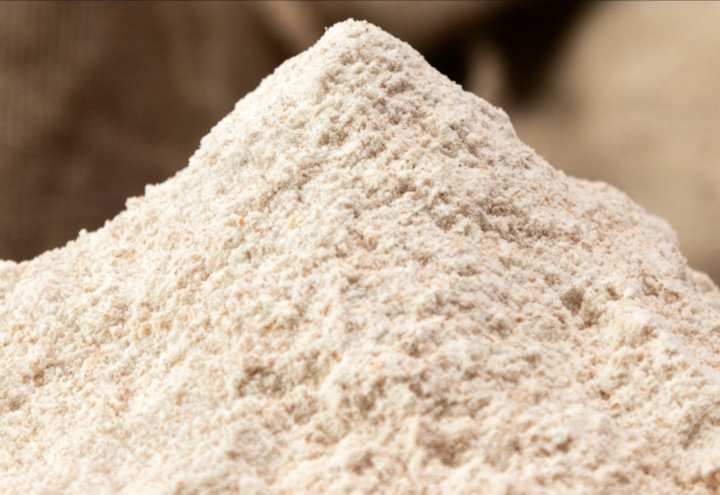
The production of yam flour for export has become a growing agricultural business, particularly in Nigeria, where yam is one of the major food crops. As the demand for African food products increases across international markets, yam flour is gaining popularity among Africans living abroad and consumers interested in African cuisine. This rising demand has created business opportunities for farmers, food processors, and exporters.
What Is Yam Flour?
Yam flour is a processed powder made from dried yam tubers. It is commonly used in preparing traditional dishes such as amala, a popular meal in West Africa. The product is appreciated because it can be stored for a long time, is easy to transport, and contains important nutrients.
Several yam varieties can be processed into flour, including white yam and yellow yam. However, white yam is often preferred because it produces flour with better texture and taste.
Importance of Exporting Yam Flour
The export of yam flour contributes to national economic development by generating foreign income and creating employment opportunities. The increasing population of Africans living overseas has expanded the market for traditional African food products in countries like United States, United Kingdom, and Canada.
Exporting processed yam products also encourages value addition in agriculture. Instead of selling raw yam tubers, processing them into flour increases their market value and reduces waste after harvest.
Stages in Yam Flour Production
Selection of Yam
The process starts with choosing healthy and mature yam tubers. Good-quality yams help produce better flour and improve customer satisfaction.
Cleaning and Peeling
The selected yams are washed carefully to remove soil and dirt before peeling. Maintaining cleanliness during processing is important for food safety and export approval.
Cutting the Yam
After peeling, the yam tubers are sliced into smaller thin pieces. Thin slices dry more quickly and evenly.
Drying Process
The yam slices are dried under sunlight or with the use of drying machines. Proper drying helps reduce moisture and prevents spoilage or mold growth.
Grinding
Once fully dried, the yam chips are milled into fine flour using grinding machines. The flour is later sieved to achieve a smooth consistency.
Packaging
The finished flour is packed in clean, airtight, and moisture-resistant materials to preserve quality during storage and export transportation.
Export Quality Standards
For yam flour to succeed in international markets, it must meet food safety and packaging requirements. Producers must ensure hygienic processing conditions and avoid contamination.
Important standards include:
- Low moisture level
- Proper product labeling
- Hygienic packaging methods
- Absence of contaminants
- Compliance with international food regulations
Obtaining certifications from food regulatory agencies can improve export opportunities and consumer confidence.
Problems Affecting Yam Flour Export
Although the business has great potential, several challenges affect yam flour production for export.
Lack of Modern Equipment
Many small-scale producers do not have access to advanced processing machines, which reduces production efficiency and product quality.
Inadequate Storage and Packaging
Poor storage conditions and weak packaging can shorten the shelf life of the product.
Expensive Transportation
Shipping and export logistics can be costly, especially for small businesses.
Strict Export Regulations
Meeting international food safety standards can be difficult for some producers.
Financial Challenges
Limited access to loans and investment capital remains a major obstacle for many entrepreneurs in the agro-processing sector.
Business Opportunities
The increasing global interest in African food products creates strong opportunities for yam flour exporters. Entrepreneurs can benefit from:
- Expanding international demand
- Growing African communities abroad
- Government encouragement of agricultural exports
- Improved food processing technology
Better branding, packaging, and quality control can also help producers compete more effectively in global markets.
Conclusion
Yam flour production for export is a promising agribusiness with the potential to support economic growth and employment. By processing yam into flour, producers increase the value of agricultural products while serving consumers locally and internationally. Despite challenges such as limited funding, processing equipment, and export regulations, the industry continues to offer strong opportunities for expansion.
With improved production techniques, quality assurance, and effective marketing, yam flour exporters can succeed in the international food market and contribute positively to agricultural development.