Introduction
Advances in technology are reshaping how food is produced, prepared, and consumed. One of the most innovative developments in recent years is 3D printed food. This method uses specialized printers to create edible items from ingredients sourced mainly from crops. By turning agricultural products into printable materials, 3D food printing blends farming, engineering, and nutrition science. As global demand for sustainable and efficient food systems increases, crop-based 3D printed food is gaining attention as a possible solution for the future.
What 3D Food Printing Means
3D food printing is a technique where edible materials are processed into paste-like or semi-solid forms and then shaped using a digital printer. The printer builds food layer by layer based on a programmed design.
Ingredients derived from crops such as rice, wheat, maize, potatoes, beans, fruits, and vegetables are commonly used. These foods are processed into suitable textures and placed into printer cartridges. After printing, the food is usually cooked, baked, or chilled depending on the intended result.
Crop Sources for 3D Printed Food
A wide variety of crops can be used in producing 3D printed food. Grains like wheat and rice are often used for baked items, snacks, and dough-based products. Root crops such as potatoes and cassava can be blended into smooth mixtures suitable for shaping different food forms.
Fruits and vegetables also play a major role because they provide flavor, color, and essential nutrients. Examples include spinach, carrots, tomatoes, and bananas, which can be converted into purees for printing.
Protein-rich crops like beans and soybeans are also valuable because they improve the nutritional content of printed meals. Using locally grown crops can also help support agriculture and reduce food waste.
Advantages of 3D Printed Food
One major benefit of 3D printed food is personalization. Meals can be designed to meet specific dietary needs, health conditions, or personal preferences. This makes it especially useful in healthcare settings where patients require controlled diets.
Another advantage is the reduction of food waste. Crops that are imperfect or would normally be discarded can be reused in processed form for printing, supporting more sustainable food systems.
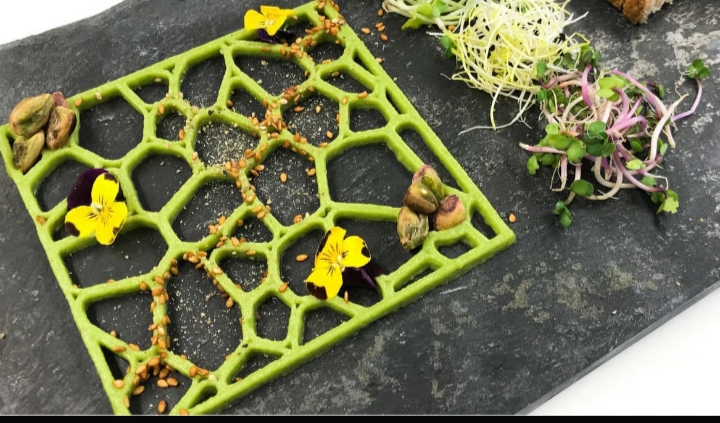
The technology also encourages creativity in food presentation. Restaurants and food designers can produce visually appealing meals with complex shapes that are difficult to achieve through traditional cooking methods.
Additionally, 3D food printing could be useful in areas facing food shortages, disaster zones, or even space exploration, where efficient food production is essential.
Limitations of the Technology
Despite its potential, 3D printed food still faces several challenges. The equipment is expensive, making it less accessible to many individuals and small businesses.
Public acceptance is another issue, as some people may be hesitant to eat food created through advanced technological processes instead of traditional cooking.
There are also concerns about nutritional consistency, safety standards, and the level of processing involved in preparing printable ingredients. Strong regulations are needed to ensure quality and safety.
Moreover, the technology is still developing, and improvements are required to make production faster and more suitable for large-scale use.
Future Prospects
The future of 3D printed food is promising as research and innovation continue to grow. Scientists are working on improving efficiency, reducing costs, and enhancing the quality of printed meals.
With increasing focus on sustainability and food security, crop-based 3D printing could become an important part of future food systems. It may be used in homes, hospitals, schools, and commercial kitchens.
As technology advances further, governments and private organizations may invest more in its development, making it more widely available.
Conclusion
3D printed food made from crops represents a major step forward in food innovation. By converting agricultural products into printable ingredients, it offers new possibilities for customized nutrition, reduced waste, and creative food design. While challenges such as cost and acceptance remain, the technology holds strong potential for improving future food systems. With continued development, 3D food printing could play an important role in achieving more sustainable and efficient food production.