
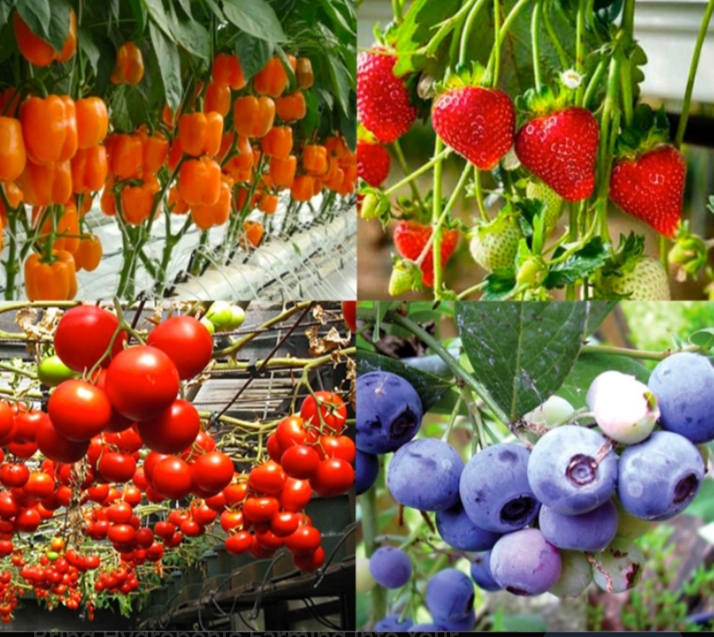
As the global population increases and fertile land becomes scarcer, innovative farming techniques are emerging to meet the demand for food. One such method gaining rapid traction is hydroponic fruit production. From urban rooftops to high tech greenhouses, hydroponics is revolutionizing the way we grow fruits, offering sustainable solutions in areas where traditional farming may not be feasible.
What Is Hydroponic Fruit Production?
Hydroponics is a soil free farming technique that involves growing plants in a nutrient-rich water solution, rather than in soil. Plants absorb essential minerals directly from the water, often supported by inert media like coconut coir, rockwool, or perlite. This system allows for precise control of environmental factors, such as temperature, humidity, light, and nutrients, resulting in more consistent and sometimes higher quality fruit yields.
Why Hydroponic Fruit Farming Is Growing
Several factors are contributing to the increasing popularity of hydroponic fruit farming:
- Maximized Space Usage
Hydroponic systems are adaptable to vertical farming, making them perfect for urban environments with limited land. This method allows fruits to be cultivated in warehouses, greenhouses, and even shipping containers in city settings.
- Water Efficiency
Hydroponic systems use far less water than traditional soil-based farming. The water is recirculated within the system, ensuring minimal wastage an important benefit in water-scarce regions.
- Higher Yields
Hydroponic systems deliver nutrients directly to the plant roots, promoting faster growth and higher yields per square meter. These systems often outperform traditional farming in terms of productivity.
- Reduced Risk of Pests and Diseases
Since hydroponic systems don’t rely on soil, many soil based pests and diseases are avoided, reducing the need for pesticides and contributing to cleaner, more sustainable fruit production.
Common Fruits Grown Hydroponically
While leafy greens are the most common hydroponic crops, an increasing variety of fruits are being successfully cultivated. Popular options include:
- Strawberries
- Tomatoes
- Blueberries
- Cucumbers
- Peppers
Strawberries are particularly well suited to hydroponic systems due to their high market value and their ability to thrive in controlled environments.
Environmental Benefits
Hydroponic fruit farming is a more sustainable approach to agriculture for several reasons:
1.Efficient Land Use: Vertical systems allow for high density crop production in small areas.
2.Minimal Chemical Runoff: Nutrients are delivered directly to the plants, reducing the potential for harmful runoff into the environment.
3.Local Food Production: Hydroponic farms can be established near urban centers, reducing transportation emissions and food waste.
These benefits make hydroponics especially appealing in the face of climate change and environmental concerns.
Challenges in Hydroponic Fruit Production
Despite its many advantages, hydroponic fruit farming also faces some challenges:
1.Initial Setup Costs: The technology, equipment, and infrastructure required to establish a hydroponic farm can be expensive.
2.Specialized Knowledge: Successful hydroponic farming requires a deep understanding of nutrient management, system maintenance, and environmental control.
3.Energy Demands: Indoor hydroponic farms rely on electricity to maintain lighting and climate control, which can increase energy consumption.
However, as technology advances and becomes more affordable, these obstacles are gradually being overcome.
The Future of Hydroponic Fruit Farming
With advancements in LED lighting, automated systems, and nutrient delivery technologies, hydroponic fruit farming is poised to expand significantly. Many commercial farms and startups are investing in large scale hydroponic greenhouses to ensure year round fruit production.
As consumers seek fresher, more sustainable, and locally grown produce, hydroponics is becoming an increasingly attractive solution. While it may not replace traditional farming entirely, it is becoming an important complement to conventional agricultural practices.
Hydroponic fruit production is a cutting edge farming technique that blends sustainability, efficiency, and innovation. By optimizing space usage, conserving water, and delivering consistent harvests, hydroponics is changing the way we cultivate fruits. As technology continues to evolve, hydroponic farming is set to play a crucial role in feeding the growing global population while minimizing environmental impact.