In recent years, there has been growing interest in foods that not only provide nutrition but also support overall health. One such category is functional foods, which contain ingredients that offer additional health benefits beyond basic nutrition. Probiotic bread is an emerging example of such foods. It combines the nutritional value of bread with the health-promoting properties of probiotics, making it a beneficial addition to a balanced diet.
What Are Probiotics?
Probiotics are live microorganisms that provide health benefits when consumed in adequate amounts. They are often referred to as “good” or beneficial bacteria because they help maintain a healthy balance of microorganisms in the digestive system. Common probiotic bacteria include species of Lactobacillus and Bifidobacterium, which are known to support gut health and improve digestion.
Probiotics are commonly found in fermented foods such as Yogurt, Kefir, and Sauerkraut. Recently, they have also been incorporated into baked products like bread.
What Is Probiotic Bread?
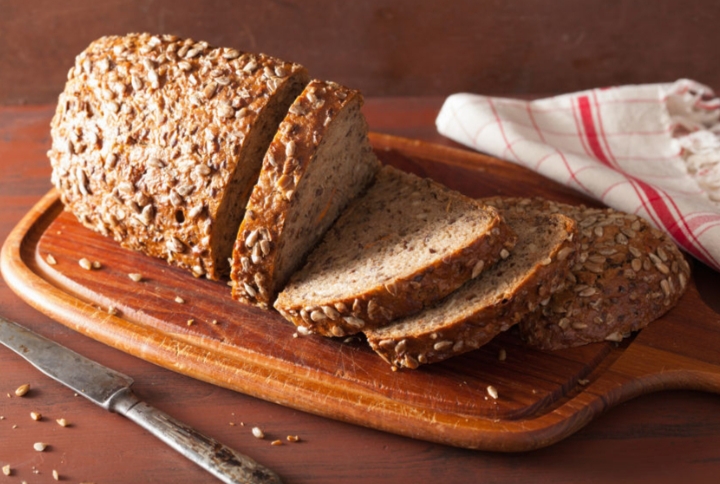
Probiotic bread is bread that contains live beneficial microorganisms added during the preparation process. These microorganisms may be introduced through probiotic cultures or fermentation methods. Unlike conventional bread, probiotic bread is designed to support digestive health while still providing the carbohydrates, fiber, and nutrients normally found in bread.
Special techniques are often used during baking to help maintain the viability of probiotics despite the high temperatures involved in the baking process.
Nutritional and Health Benefits of Probiotic Bread
- Improved Digestive Health
One of the primary benefits of probiotic bread is its ability to promote a healthy digestive system. Probiotics help maintain a balanced gut microbiota, which supports efficient digestion and nutrient absorption.
- Enhanced Immune Function
A large portion of the body’s immune system is located in the gut. By promoting healthy gut bacteria, probiotics may strengthen the immune system and help the body defend itself against harmful microorganisms.
- Better Nutrient Absorption
Probiotics can improve the body’s ability to absorb essential nutrients such as vitamins, minerals, and amino acids from food. This can contribute to improved overall health.
- Potential Reduction of Digestive Disorders
Regular consumption of probiotic foods may help reduce symptoms associated with digestive issues such as bloating, constipation, and diarrhea. They may also help manage conditions like Irritable Bowel Syndrome.
- Support for Gut Microbiota Balance
The gut microbiome consists of trillions of microorganisms that influence digestion, metabolism, and immunity. Probiotic bread helps maintain a healthy balance between beneficial and harmful bacteria in the digestive tract.
- Increased Shelf Life and Flavor
Fermentation with probiotics can improve the flavor, texture, and aroma of bread. It may also help extend the shelf life of the product by inhibiting the growth of spoilage microorganisms.
Probiotic Bread and Functional Foods
Probiotic bread is part of the growing field of functional foods—foods that offer health benefits beyond basic nutrition. As consumers become more health-conscious, demand for functional foods is increasing worldwide. Incorporating probiotics into staple foods like bread makes it easier for people to consume beneficial bacteria regularly.
Challenges in Producing Probiotic Bread
Although probiotic bread has many advantages, producing it presents some challenges. The high temperature used during baking can reduce the number of viable probiotic organisms. Researchers and food scientists are therefore developing innovative techniques, such as microencapsulation, to protect probiotics during the baking process.
Conclusion
Probiotic bread represents an innovative approach to improving dietary health by combining the nutritional benefits of traditional bread with the health-promoting effects of probiotics. By supporting digestive health, enhancing immunity, and improving nutrient absorption, probiotic bread has the potential to become an important functional food in modern diets. As research and technology continue to advance, probiotic bread may play a significant role in promoting healthier eating habits worldwide.
If you’d like, I can also help you:
Paraphrase or simplify this article
Expand it into a longer academic paper
Add references for research or assignments.
Paraphrase
Health Advantages of Probiotic Bread
Introduction
In recent years, there has been an increasing focus on foods that offer additional health benefits beyond basic nutrition. These foods, often called functional foods, are designed to improve overall well-being. Probiotic bread is one such innovation. It combines the nutritional qualities of traditional bread with beneficial microorganisms that promote better health, making it a valuable addition to a healthy diet.
Understanding Probiotics
Probiotics are live microorganisms that provide positive health effects when consumed in sufficient quantities. They are commonly known as beneficial or “good” bacteria because they help maintain a balanced microbial environment in the digestive system. Some well-known probiotic bacteria include Lactobacillus and Bifidobacterium, which contribute to improved digestion and gut health.
These helpful bacteria are naturally present in fermented foods such as Yogurt, Kefir, and Sauerkraut. In recent times, food scientists have begun incorporating probiotics into baked goods like bread.
What Is Probiotic Bread?
Probiotic bread refers to bread that has been enriched with live beneficial bacteria during its preparation. These microorganisms are introduced through probiotic cultures or fermentation processes. Unlike regular bread, probiotic bread is formulated not only to provide energy and nutrients but also to support digestive health.
Special processing techniques are often used to help protect the probiotic organisms so that some remain active even after the baking process.
Health Benefits of Probiotic Bread
- Supports Digestive Health
Probiotic bread can help improve digestive function by encouraging the growth of beneficial bacteria in the gut. A healthy gut microbiome aids digestion and enhances the body’s ability to process food efficiently.
- Strengthens the Immune System
Since a large part of the immune system is linked to the digestive tract, maintaining healthy gut bacteria through probiotics can help boost the body’s natural defense against infections.
- Improves Nutrient Utilization
Probiotics assist the body in absorbing essential nutrients such as vitamins and minerals more effectively, which contributes to better overall health.
- Helps Reduce Digestive Problems
Regular intake of probiotic foods may reduce common digestive issues such as bloating, constipation, and diarrhea. They may also be helpful in managing conditions like Irritable Bowel Syndrome.
- Maintains Healthy Gut Microflora
The digestive system contains a large community of microorganisms that influence many bodily functions. Consuming probiotic bread helps maintain a healthy balance between beneficial and harmful bacteria in the gut.
- Enhances Flavor and Shelf Life
Fermentation processes used in probiotic bread production can improve the taste, texture, and aroma of the bread. In addition, these processes may help slow down the growth of harmful microorganisms, extending the product’s shelf life.
Probiotic Bread as a Functional Food
Probiotic bread is an example of functional food, meaning it offers health advantages beyond simple nutrition. As more people become aware of the importance of gut health, the demand for foods containing probiotics continues to increase. Including probiotics in a common staple like bread makes it easier for people to consume beneficial bacteria regularly.
Challenges in Production
Despite its many advantages, producing probiotic bread can be challenging. The high temperatures involved in baking may destroy some probiotic organisms. To overcome this issue, researchers are exploring advanced techniques such as microencapsulation to protect the bacteria during baking.
Conclusion
Probiotic bread is a promising development in the field of functional foods. By combining the nutritional value of bread with the health benefits of probiotics, it supports digestive health, strengthens immunity, and improves nutrient absorption. As food technology advances, probiotic bread may become an increasingly popular choice for individuals seeking healthier dietary options.