
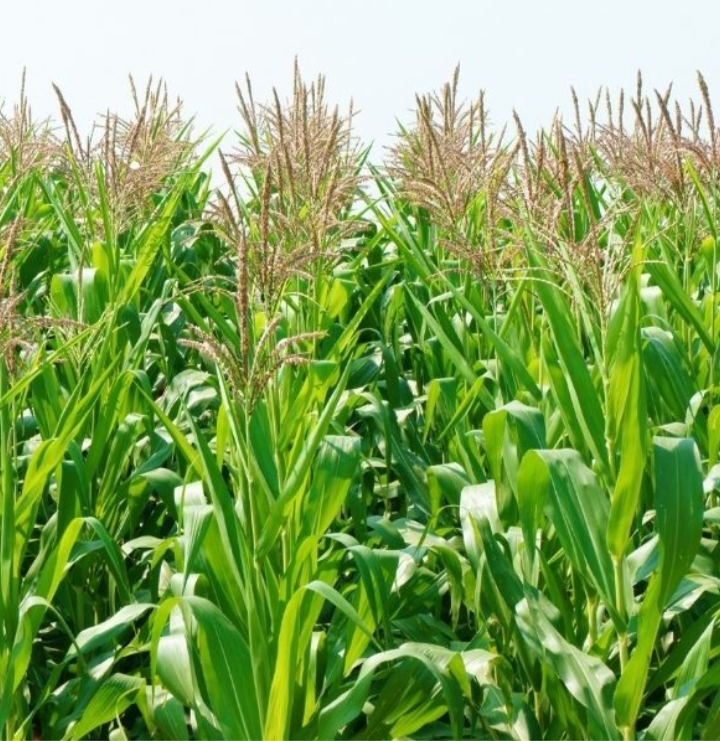
Maize is one of the most widely cultivated and consumed crops in Nigeria, playing a central role in both food supply and economic activities. As a staple food and an important industrial input, it offers significant opportunities for enhancing food security, boosting incomes, and supporting rural development. With suitable environmental conditions and a rapidly growing population, Nigeria has strong potential to expand its maize production.
Role and Uses of Maize
In Nigeria, maize is a major part of daily diets, prepared in different forms such as pap, tuwo, and roasted corn. It is also widely used in livestock feed, especially in poultry farming, making it essential to the agricultural value chain. Additionally, maize is utilized in industries for processing into products like flour, starch, and beverages.
The rising demand for maize, fueled by population increase and industrial growth, underscores its importance in the country.
Suitable Production Environment
The country’s varied climate and soil conditions are favorable for maize cultivation. Many regions, particularly in the Middle Belt and northern areas, provide the right combination of rainfall and temperature for optimal growth.
Maize can be grown in both wet and dry seasons with the help of irrigation, allowing farmers to harvest more than once a year and increase their productivity.
Economic Benefits
There are considerable economic gains associated with maize production. Small-scale farmers can improve their livelihoods through better inputs and access to markets, while large-scale farming operations can supply the needs of feed producers and food industries.
Processing maize into different products adds value and creates jobs across the supply chain. With improved quality and output, there is also potential for export.
Constraints to Production
Despite its advantages, maize farming in Nigeria faces several obstacles. These include poor access to improved seeds, limited storage facilities, pest infestations, and inadequate availability of fertilizers and credit.
Unpredictable weather conditions linked to climate change also affect production, while post-harvest losses reduce the quantity of usable produce.
Ways to Enhance Production
To fully realize the benefits of maize production, certain steps are necessary. Using improved and drought-tolerant seed varieties can increase yields. Farmers also need to adopt better cultivation methods, including timely planting and effective pest management.
Improved irrigation systems can support year-round farming, while better storage and processing facilities can minimize losses and increase profitability. Access to funding and agricultural extension services will further strengthen farmers’ capacity.
Support from government and private sector initiatives—such as subsidies, mechanization programs, and improved market access—is essential for sustainable growth.
Impact on Food Security and Economy
Increasing maize production can help ensure a stable supply of food and reduce reliance on imports. It also contributes to economic development by creating employment opportunities and improving rural incomes.
Conclusion
Maize production in Nigeria offers great potential for strengthening the agricultural sector and supporting economic growth. By addressing existing challenges and adopting improved practices, the country can significantly increase output and maximize the benefits of this vital crop.