
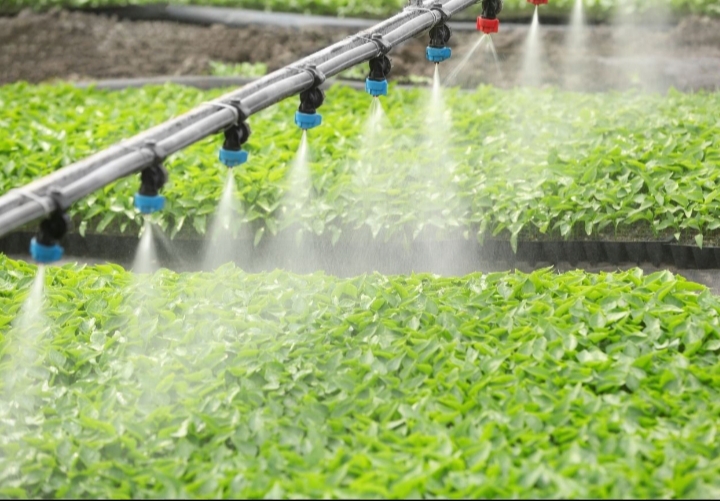
Water is one of agriculture’s most vital resources, yet it is often misused. With rising populations, climate change, and increased food demand, managing water efficiently has become essential for sustainable farming. Proper water management not only conserves this precious resource but also enhances crop productivity and reduces costs for farmers.
Why Efficient Water Use Matters
Agriculture consumes nearly 70% of the world’s freshwater. Inefficient practices, such as over-irrigation, can deplete groundwater, harm soil health, and reduce crop yields. Using water wisely ensures crops thrive while protecting the environment for future generations.
Advanced Irrigation Methods
Traditional flood irrigation wastes significant water through runoff and evaporation. Modern irrigation techniques improve water efficiency:
- Drip Irrigation: Delivers water directly to plant roots, minimizing waste. Ideal for vegetables, fruits, and row crops.
- Sprinkler Systems: Provide even coverage over fields and can be automated for precision.
- Subsurface Irrigation: Supplies water below the soil surface, reducing evaporation and boosting efficiency.
Monitoring and Scheduling
Efficient water use requires careful planning and monitoring of crop needs:
- Soil Moisture Sensors: Offer real-time insights to determine irrigation timing and quantity.
- Weather Forecasting Tools: Allow farmers to adjust watering based on predicted rainfall.
- Evapotranspiration Data: Tracks water loss from soil and plants to fine-tune irrigation.
Crop Selection and Field Management
Choosing crops suited to local water availability is crucial. Drought-tolerant varieties need less water and are more resilient during dry spells. Practices like mulching and cover cropping help retain soil moisture and reduce evaporation.
Water Recycling and Reuse
Farmers can further conserve water through recycling and recovery:
- Rainwater Harvesting: Captures and stores rainwater for irrigation.
- Recycled Wastewater: Treated water can be reused for crops, reducing pressure on freshwater sources.
- Tailwater Recovery Systems: Collect runoff water from fields to reuse, minimizing waste.
Benefits of Water-Efficient Farming
Adopting efficient water practices brings multiple advantages:
- Increased crop yields and improved quality
- Reduced water and energy expenses
- Lower environmental impact and conservation of resources
- Greater resilience to drought and climate fluctuations
Overcoming Challenges
Barriers to adoption include the high cost of advanced irrigation systems, lack of technical knowledge, and limited access to resources. Support from governments, NGOs, and agricultural organizations through training, subsidies, and guidance can help farmers implement water-efficient practices.
Conclusion
Sustainable water management in agriculture is essential for feeding a growing population while protecting natural resources. By combining modern irrigation, careful planning, smart crop selection, and water recycling, farmers can boost productivity and maintain long-term sustainability. Investing in efficient water use today ensures resilient agriculture for the future.