
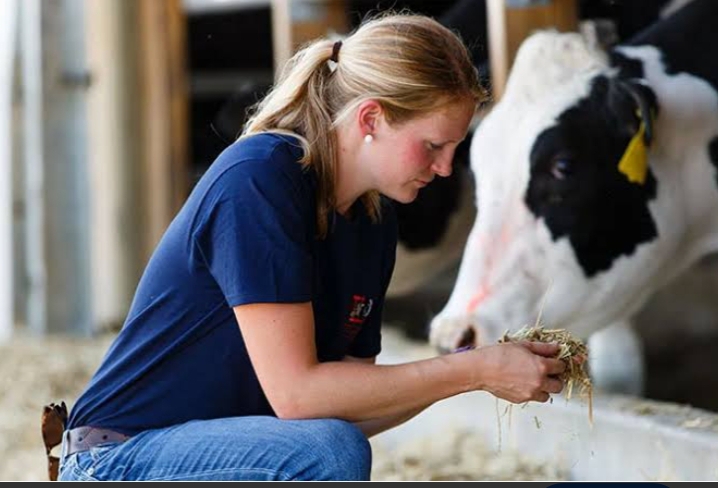
Proper care of dairy cattle is essential for maintaining healthy animals and ensuring good milk production. Effective management involves providing adequate nutrition, suitable housing, proper health care, and good milking practices.
Feeding and Nutrition
Dairy cattle require a balanced diet to remain healthy and productive. Their feed should include pasture grasses, hay, silage, and concentrate feeds that supply energy, protein, vitamins, and minerals. Lactating cows need additional nutrients to support milk production. Mineral supplements and constant access to clean drinking water are necessary to prevent deficiencies and maintain body condition.
Housing and Shelter
Dairy cattle should be kept in clean, well-ventilated shelters that protect them from unfavorable weather conditions. Housing must provide enough space for movement and rest. Floors should be dry and non-slippery to prevent injuries, while bedding materials help keep animals comfortable. Regular cleaning of the housing area reduces the risk of disease.
Health Care Management
Good health management includes regular observation of animals to detect signs of illness early. Vaccination, deworming, and parasite control are important preventive measures. Maintaining cleanliness and isolating sick animals help prevent the spread of diseases within the herd.
Milking Practices
Proper milking management helps maintain milk quality and udder health. Milking should be carried out at regular times each day. The udder and teats must be cleaned before milking, and all equipment should be properly washed to avoid contamination. Gentle handling of cows reduces stress and supports steady milk production.
Breeding Management
Efficient breeding ensures continuous productivity in dairy cattle. Farmers should identify heat periods accurately and breed cows at the appropriate time. Pregnant cows require adequate feeding and a clean environment to support safe calving and healthy calf development.
Hygiene and Sanitation
Maintaining cleanliness in housing, feeding equipment, and milking tools is essential. Proper waste disposal helps create a healthy environment and reduces infection risks.
Conclusion
Caring for dairy cattle involves proper feeding, suitable housing, effective health care, and hygienic milking practices. Consistent management ensures healthy animals and sustained milk production.