
Introduction
Weather forecasting is very important in agriculture because farming activities largely depend on weather conditions. Farmers rely on accurate weather information to decide when to plant, irrigate, harvest, and protect their crops and animals. Reliable forecasts help farmers plan ahead, reduce risks, and increase farm productivity. By understanding future weather patterns, farmers can manage their work more effectively and avoid losses caused by unfavorable weather.
Meaning of Weather Forecasting
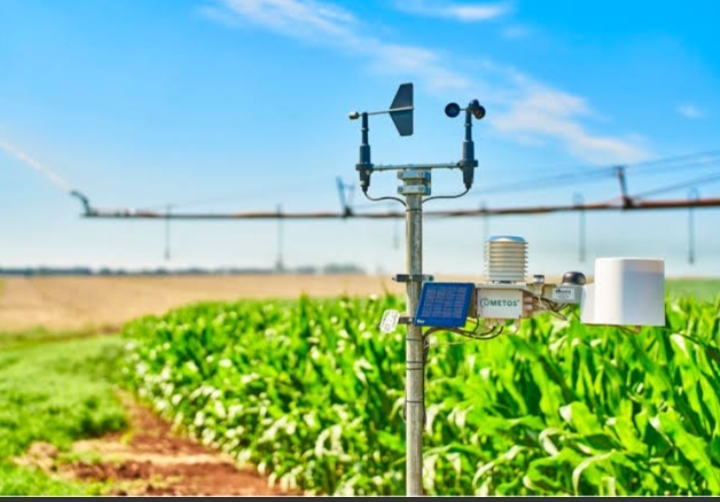
Weather forecasting refers to the scientific prediction of atmospheric conditions such as rainfall, temperature, wind, humidity, and storms over a certain period. Scientists use satellites, weather stations, computer technology, and past climate records to produce forecasts that may cover daily, weekly, or seasonal periods.
For farmers, these predictions provide guidance for organizing farming operations and improving crop performance.
Importance of Weather Forecasting in Agriculture
Weather forecasts assist farmers in choosing the right time to plant crops by indicating expected rainfall and soil moisture levels. They also help farmers plan irrigation activities according to temperature and rainfall predictions, preventing both water shortage and excessive use.
Forecast information allows farmers to prepare for extreme weather events like droughts, floods, heat waves, and strong winds. Early warnings give farmers time to protect crops, adjust planting schedules, and relocate livestock if necessary. Weather data also helps control pests and diseases, which often develop under certain weather conditions.
Types of Weather Forecasts Useful to Farmers
Short-term forecasts usually predict weather conditions for one to three days and help farmers manage daily farm tasks such as spraying chemicals, watering crops, or harvesting.
Medium-term forecasts cover about a week and assist in planning farm operations and organizing labor.
Seasonal forecasts provide predictions for several months ahead and help farmers select suitable crops and determine appropriate planting periods.
Methods Farmers Use to Access Weather Information
Farmers obtain weather information through various sources. Radio and television broadcasts remain common, especially in rural communities. Mobile phones and agricultural applications now provide instant weather updates and alerts. Agricultural extension workers and farming organizations also share weather-related advice with farmers.
In some cases, farmers combine traditional observations, such as cloud movement, wind patterns, and animal behavior, with scientific forecasts to guide their decisions.
Benefits of Weather Forecasting for Farmers
Weather forecasting improves crop production by enabling timely decision-making. It reduces damage caused by unexpected weather changes and promotes efficient use of resources such as water, fertilizers, and labor. Accurate forecasting also contributes to food security by supporting stable agricultural output and minimizing financial losses.
Challenges of Weather Forecasting in Agriculture
Although weather forecasting is beneficial, challenges still exist. Predictions may sometimes be inaccurate, and some rural farmers may have limited access to technology or lack the knowledge needed to interpret forecasts. Rapid climate changes also make accurate prediction more complex.
Improving the Use of Weather Forecasting
Farmers can benefit more from weather forecasts through proper training on how to understand and apply weather information. Governments and agricultural agencies should improve communication systems and provide localized forecasts tailored to farming communities. Integrating modern forecasting technology with traditional farming knowledge can further enhance agricultural planning.
Conclusion
Weather forecasting is an essential tool for successful farming. It provides advance information that helps farmers plan activities, protect crops and livestock, and improve productivity. As forecasting technology advances, it will continue to play a major role in promoting sustainable agriculture and helping farmers adapt to changing weather conditions.