Introduction
Animal nutrition is essential for maintaining the health, growth, and productivity of livestock. Proper feed formulation ensures that animals obtain the right balance of nutrients needed for body maintenance, growth, reproduction, and production of meat, milk, or eggs. Feed formulation involves carefully selecting and combining feed ingredients in suitable proportions to satisfy the nutritional requirements of animals at different stages of development.
Importance of Animal Nutrition
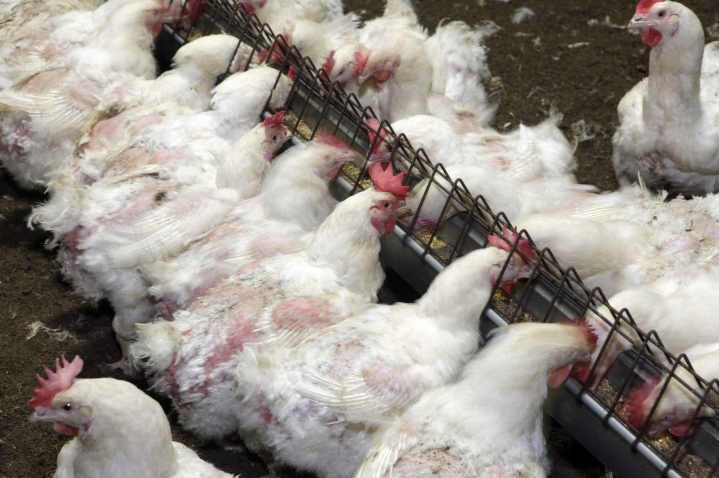
Adequate nutrition supports normal body functions and enhances animal performance. Animals that receive balanced diets tend to grow efficiently, produce higher-quality products, and develop stronger resistance to diseases. In contrast, poor feeding practices may result in slow growth, reduced productivity, reproductive problems, and increased health challenges.
Key Nutrients Required in Animal Feed
Animals depend on several important nutrients for optimal performance.
Carbohydrates serve as the main energy source for movement, growth, and production activities. Common sources include maize, sorghum, wheat, and cassava products.
Proteins are essential for tissue building, muscle development, and repair of body cells. Examples of protein sources include soybean meal, groundnut cake, fish meal, and legumes.
Fats and Oils provide concentrated energy, enhance feed taste, and assist in the absorption of certain vitamins.
Vitamins are required in small amounts but play critical roles in metabolism, immunity, and general health maintenance.
Minerals such as calcium and phosphorus contribute to bone formation, enzyme function, and overall physiological balance.
Water is a vital nutrient that supports digestion, nutrient transport, and temperature control within the animal’s body.
Factors Influencing Feed Formulation
Several considerations guide feed formulation, including the animal species, age, stage of growth, production purpose, availability and cost of ingredients, environmental conditions, and specific nutrient needs.
Steps Involved in Feed Formulation
Determining Nutritional Needs
The process begins with identifying the nutrient requirements based on the type of animal and production objectives.
Choosing Feed Ingredients
Ingredients are selected according to their nutrient value, affordability, availability, and digestibility.
Balancing the Diet
Feed components are combined in calculated amounts to meet required energy, protein, vitamin, and mineral levels.
Processing and Mixing
Ingredients are ground and thoroughly mixed, and sometimes pelleted, to improve feed utilization and minimize waste.
Monitoring and Adjustment
Animal performance is evaluated regularly, and feed formulas are modified when necessary to achieve better results.
Feed Formulation Techniques
Different approaches can be used in feed formulation. The trial-and-error method involves adjusting ingredient combinations until nutritional goals are achieved. The Pearson square method is commonly used to balance protein or energy content. Modern computer programs are also widely used to produce accurate and cost-effective feed formulations.
Common Feed Ingredients
Animal feeds commonly include cereal grains as energy sources, oilseed meals for protein, mineral supplements, vitamin premixes, animal by-products, and agricultural residues such as bran.
Challenges in Feed Formulation
Feed formulation can be affected by fluctuating ingredient prices, seasonal availability, inconsistent ingredient quality, and limited knowledge of nutritional requirements. Poor storage conditions may also lead to nutrient loss or contamination.
Advantages of Proper Feed Formulation
Well-balanced feed contributes to improved growth, efficient feed utilization, increased production, reduced wastage, and better overall animal health.
Conclusion
Feed formulation is a critical component of effective animal nutrition and successful livestock management. By selecting appropriate ingredients and balancing diets according to animal needs, farmers can enhance productivity, lower feeding costs, and maintain healthy animals. Continuous evaluation and proper nutritional knowledge are key to sustainable livestock production.