
Fish farming has become an important agricultural business in many parts of Africa, including Nigeria, where the demand for fish as a source of protein keeps increasing. Two of the most commonly raised fish are catfish and tilapia. Although both can generate income, they differ in production costs, growth rates, and market value. Knowing these differences helps farmers make better investment decisions.
Catfish Farming Overview
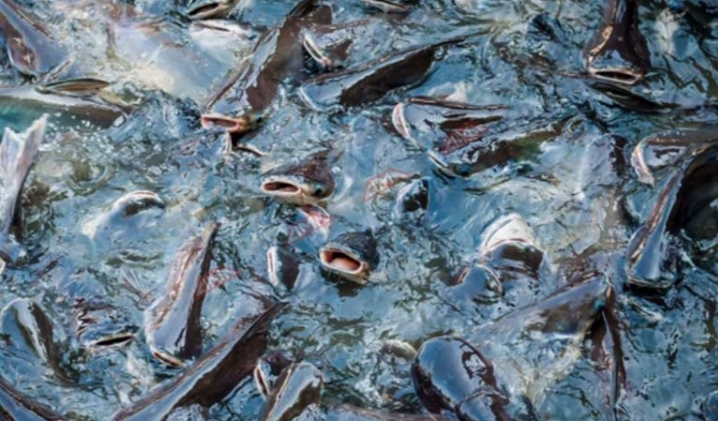
Catfish, especially Clarias gariepinus, is widely preferred because it is strong and can survive in less-than-ideal water conditions. It also grows quickly and can be stocked in large numbers.
The initial investment for catfish farming is usually moderate to high. Costs include building ponds or tanks, purchasing fingerlings, and feeding. Feed is the largest expense, often taking up about 60–70% of total production costs.
With proper care, catfish can reach a market weight of about 1–1.5 kg within 4–6 months. It is highly valued in the market and usually sells at a higher price per kilogram than tilapia. This makes it possible to earn good profits, especially when feed is well managed and fish survival rates are high.
However, catfish farming requires careful management. Poor feeding, overcrowding, or bad water conditions can quickly reduce profits.
Tilapia Farming Overview
Tilapia, commonly Oreochromis niloticus, is also popular because it adapts easily to different environments and is cheaper to feed. It can feed partly on natural food available in ponds, reducing dependence on commercial feed.
Starting a tilapia farm is generally less expensive than catfish farming, especially when using earthen ponds. Tilapia grows a bit slower, reaching a market size of about 0.5–1 kg in 5–7 months.
A major challenge with tilapia is its rapid breeding. If not controlled, the pond can become overcrowded, leading to small-sized fish with lower market value. Farmers often manage this by raising only male fish.
Although tilapia sells at a lower price than catfish, its lower production costs can still make it profitable, particularly for small-scale farmers.
Cost Differences
Catfish farming tends to be more expensive mainly because of high feed requirements and the cost of fingerlings. Tilapia farming, on the other hand, benefits from natural feeding, which helps reduce expenses.
In terms of infrastructure, both systems can be similar, but catfish is often raised in more intensive systems like concrete tanks, increasing startup costs. Tilapia is usually grown in earthen ponds, which are cheaper to construct.
Profit Comparison
Catfish generally brings in more income per fish due to its larger size and higher selling price. Farmers who manage their systems well can achieve higher profits in a shorter time.
Tilapia may produce less income per fish, but because it costs less to raise, it can provide consistent and dependable returns. It is often seen as a safer option for beginners.
Risks Involved
Catfish farming is more sensitive to feed costs and water quality issues. Any increase in feed prices can reduce profit significantly.
Tilapia farming mainly faces the problem of uncontrolled breeding, which can affect fish size and overall earnings if not properly managed.
Conclusion
Both catfish and tilapia farming can be rewarding if handled properly. Catfish farming offers higher potential profits but requires more investment and careful management. Tilapia farming, on the other hand, is cheaper to start and easier to manage, making it suitable for farmers who prefer lower risk. The best option depends on available resources, experience, and business objectives.