
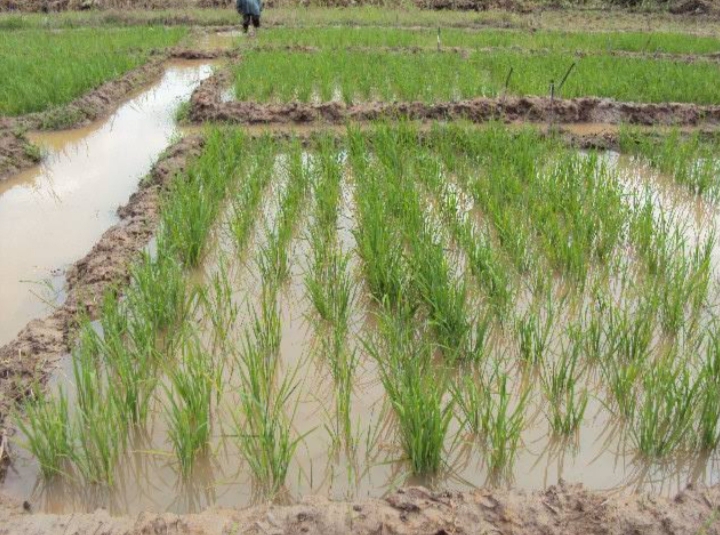
Flood management in rice paddies is an essential part of rice farming, particularly in regions where rice is a main food crop and heavy rainfall or seasonal flooding is common. Because rice is naturally grown in waterlogged fields, the main challenge is not the presence of water itself, but how well it is regulated its depth, timing, and flow all need to be carefully controlled.
Flooding in rice farming
Rice is one of the few crops that thrives in flooded conditions. Its ability to grow in standing water gives it an advantage over many other cereals. However, there is a clear difference between planned flooding that supports growth and excessive flooding that harms the crop.
Properly managed water helps to:
- Reduce weed growth
- Enhance nutrient availability in the soil
- Support healthy root development
- Maintain soil conditions suitable for rice
Uncontrolled flooding can cause serious problems such as:
- Complete submergence of young plants
- Loss of soil nutrients and fertilizers due to runoff
- Reduced oxygen supply to roots
- Increased risk of pests and diseases
Methods of managing floods in rice fields
Field preparation and bunds
Leveling the field ensures that water spreads evenly across the paddies. Farmers also build bunds, which are raised barriers around the field, to keep water in and prevent overflow into nearby farms.
Water control systems
Rice farmers use irrigation channels, inlets, and outlets to regulate water levels. In some areas, pumps or canal systems help maintain the required shallow water depth throughout the growing season.
Drainage systems
Good drainage is necessary, especially during periods of heavy rain. Canals and outlets help remove excess water quickly, preventing crops from being submerged for too long.
Alternate Wetting and Drying (AWD)
This technique involves allowing fields to dry out slightly before flooding them again. It helps conserve water while still supporting healthy rice growth and reducing waterlogging risks.
Flood-resistant rice varieties
Scientists have developed rice strains that can survive being underwater for several days. These varieties are designed to slow down their growth during flooding and recover once conditions improve.
Weather planning and forecasting
Farmers often depend on weather information to plan planting and harvesting. Adjusting farming schedules helps avoid the worst periods of flooding.
Importance in different regions
Different countries use different approaches based on their environment. For instance:
- River delta regions rely on canal networks to manage seasonal floods.
- Low-lying floodplains use specially adapted or floating rice systems.
- Hilly areas use terracing to slow down water runoff and reduce erosion.
Benefits of good flood control
Effective water management in rice fields contributes to:
- Higher and more stable crop yields
- Efficient use of water resources
- Reduced greenhouse gas emissions when flooding is controlled
- Improved food security in rice-dependent regions
Ongoing challenges
Changing climate conditions are making flooding more unpredictable and severe. This increases risks for farmers and highlights the need for better infrastructure, improved rice varieties, and more reliable weather forecasting systems.
Summary
Managing floods in rice paddies is about maintaining the right balance of water—enough to support rice growth but not so much that it damages the crop. Through improved farming techniques, infrastructure, and technology, farmers can reduce losses and ensure more stable production even in changing climate conditions.