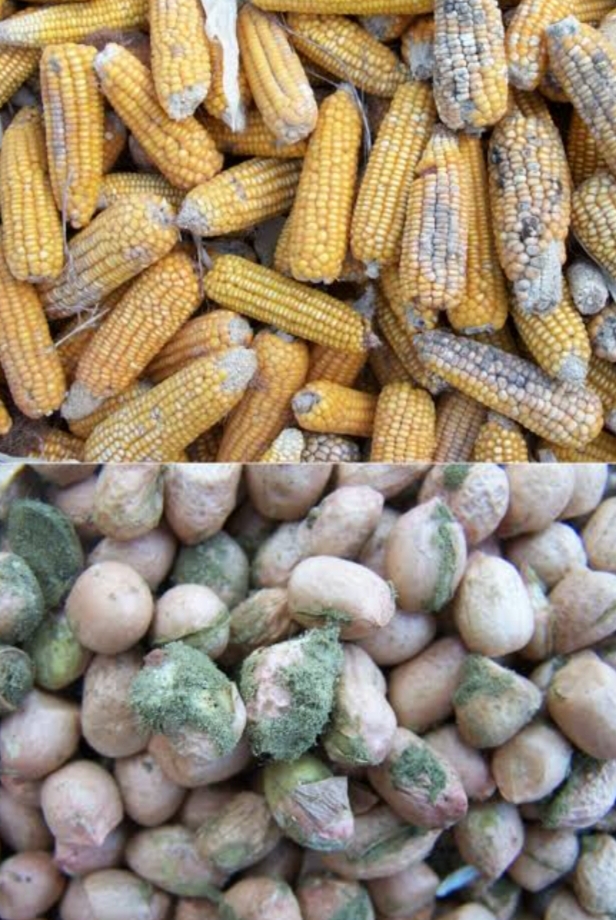
Aflatoxins are harmful substances produced by certain fungi, mainly Aspergillus flavus and Aspergillus parasiticus, that commonly infect crops like maize and groundnuts. These toxins are a major concern in warm, humid regions because they can cause serious health problems, including liver disease, reduced immunity, and even cancer. Preventing contamination requires attention at every stage from planting to storage.
Conditions That Encourage Aflatoxin Formation
Fungi that produce aflatoxins grow best when moisture levels are high, temperatures are warm (around 25–35°C), crops are stressed by drought or pests, and storage conditions are poor. Controlling these factors is key to prevention.
Measures Before Harvest
Plant resistant varieties that can better withstand drought and fungal infection. Apply good farming practices such as proper spacing for ventilation, balanced fertilizer use, and effective pest control to prevent crop damage that allows fungal entry. Early planting is also important, as it helps crops avoid drought stress and reduces their vulnerability. Another useful approach is biological control, where harmless strains of Aspergillus are introduced to compete with toxin-producing strains in the field.
Harvesting Techniques
Crops should be harvested promptly once they reach maturity, since delays increase the risk of contamination. Careful handling during harvesting is essential to prevent damage to grains or pods, as broken surfaces encourage fungal growth.
Drying and Post-Harvest Care
Drying should be done immediately after harvest. Maize should be dried to about 13–14% moisture content, while groundnuts should reach about 8–10%. Drying should take place on clean surfaces such as tarpaulins or raised platforms to avoid contamination. Sorting and cleaning are also important; damaged, moldy, or discolored grains, as well as debris, should be removed to significantly reduce aflatoxin levels.
Safe Storage Practices
Storage areas should be dry, cool, and well-ventilated to prevent moisture buildup. Improved storage methods such as hermetic bags, silos, or sealed containers can help limit fungal growth. Regular inspection of stored produce is necessary to detect any signs of moisture or mold early.
Processing and Use
Before consumption, grains should be sorted again to remove any contaminated ones. Processing methods like roasting or fermentation can help reduce aflatoxin levels, although they may not eliminate them completely. It is also important not to feed contaminated grains to animals, as aflatoxins can pass into animal products such as milk.
Education and Regulation
Farmer education plays a key role in preventing aflatoxin contamination. Training on proper agricultural and storage practices can make a significant difference. In addition, authorities should establish and enforce food safety standards, provide testing services, and set acceptable limits for aflatoxins in food products.
Conclusion
Reducing aflatoxin contamination in maize and groundnuts requires a comprehensive approach that covers all stages of production and handling. While complete elimination may not be possible, consistent use of proper practices can greatly reduce risks and protect both public health and agricultural productivity.