
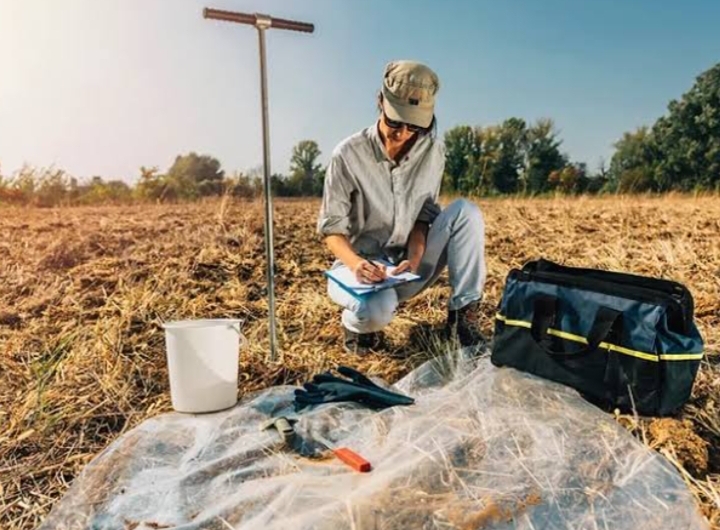
A soil test report may seem complex at first, but it is simply a guide to improving soil fertility and crop performance. Instead of just reading the numbers, agronomists focus on what those values mean for plant growth and how they relate to each other. This approach helps in making better decisions about fertilizers and soil management.
The first thing to examine is soil pH because it strongly influences how nutrients are available to plants. Most crops grow well within a pH range of about 5.5 to 7.5. When the soil is too acidic, some nutrients become less available, while highly alkaline soil can limit important micronutrients. Adjustments can be made using lime to raise pH or other amendments to lower it.
Next is organic matter, which plays a major role in soil quality. Soils with low organic matter tend to have poor fertility and weak water retention, while those with higher levels support better nutrient cycling and structure. Increasing organic matter over time improves overall soil health.
Macronutrients such as nitrogen, phosphorus, and potassium are essential for plant growth. Nitrogen supports leafy development, phosphorus helps with root formation and energy transfer, and potassium improves overall plant strength. Rather than relying only on whether levels are high or low, agronomists consider the crop type, soil condition, and expected yield.
Secondary nutrients like calcium, magnesium, and sulfur are also important. Even when major nutrients are sufficient, imbalances in these can affect how well plants absorb what they need.
Micronutrients, including iron, zinc, manganese, copper, and boron, are required in small amounts but remain critical. Their availability often depends more on soil conditions, especially pH, than on their total presence in the soil.
Cation exchange capacity (CEC) indicates how well the soil can hold nutrients. Sandy soils usually have low CEC and lose nutrients quickly, while clay soils tend to retain nutrients more effectively. This helps determine how frequently fertilizers should be applied.
Base saturation shows the balance of key elements like calcium, magnesium, potassium, and sodium. Maintaining a good balance is important because excess of one element can interfere with soil structure or nutrient uptake.
Soil test recommendations provide useful guidance, but they are not fixed rules. Agronomists adjust them based on factors such as crop choice, climate, and farming methods.
The key to reading a soil test effectively is to view it as a connected system. Soil pH, organic matter, nutrient levels, and texture all influence one another. Looking at the full picture allows for better decisions than focusing on individual values.
In practice, the goal is to use the information to improve soil conditions by applying the right inputs, adjusting pH where necessary, and building long-term fertility. Regular testing helps track progress and maintain productive soil over time.