
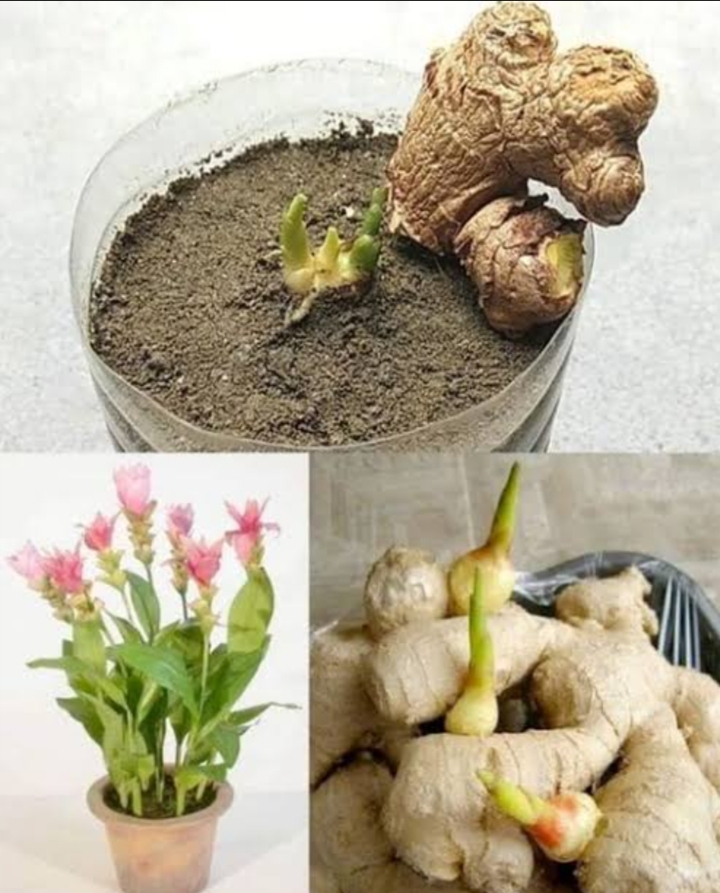
Fresh Ginger doesn’t keep well without proper care. Because it contains a lot of moisture, it can easily develop mold, become soft, or rot if stored incorrectly. The key to preserving it is controlling moisture, temperature, and handling.
What Causes Ginger to Rot?
Rot typically happens due to:
- Too much moisture
- Lack of airflow
- Cuts or bruises that allow infection
Keeping these factors in check is essential for maintaining quality.
Short-Term Storage (Up to 3 Weeks)
For everyday use:
- Store ginger unpeeled and dry
- Wrap it in a paper towel and place it in a loosely sealed or perforated bag
- Keep it in the refrigerator, preferably in the crisper drawer
Avoid tightly sealed plastic bags, as they trap moisture and speed up spoilage.
Medium-Term Storage (1–3 Months)
To keep ginger longer:
- Wrap it in a dry paper towel
- Store it in a container or bag with slight ventilation
- Check regularly to remove any moisture buildup
Another effective option is burying the rhizomes in dry sand or sawdust in a cool place, which helps maintain balanced humidity.
Long-Term Storage (Beyond 3 Months)
For extended preservation:
- Freezing: Cut into pieces and freeze; flavor remains intact though texture softens
- Drying: Slice and dry thoroughly before storing
- Preserving: Pickling or other methods can extend usability but alter taste
Ideal Conditions for Bulk Storage
For larger quantities:
- Temperature: about 12–14°C
- Humidity: 65–75%
- Good ventilation to prevent dampness
Conditions that are too cold or too warm can lead to damage, sprouting, or decay.
Preparation Before Storage
Before storing:
- Allow rhizomes to cure in a shaded, airy place
- Remove any damaged or diseased parts
- Avoid washing unless necessary, and dry completely if washed
This preparation helps reduce the risk of rot.
Simple Natural Methods to Reduce Rot
- Dust with wood ash to absorb excess moisture
- Store in clean, dry sand
- Keep storage spaces hygienic and well-ventilated
Signs of Spoilage
Watch for:
- Soft or mushy areas
- Visible mold
- Unpleasant odors
Remove affected pieces quickly to prevent spread.
Key Takeaway
Proper ginger storage depends on keeping it dry, cool, and well-aerated. When these conditions are maintained, ginger can stay fresh and usable for much longer than expected.