
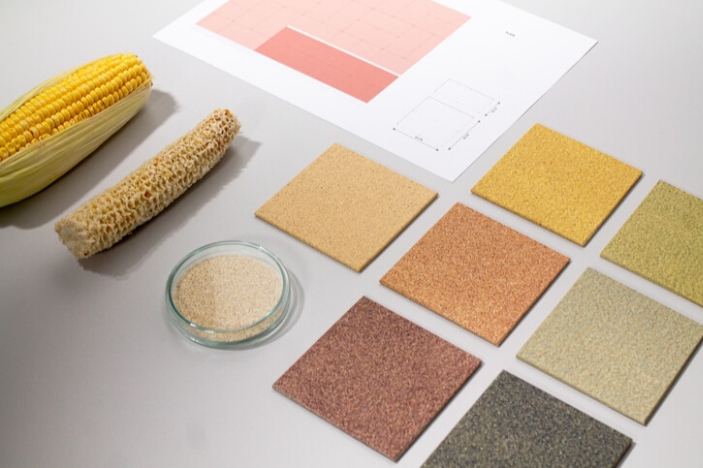
For many years, agricultural waste such as rice husks and corn cobs was often thrown away, burned, or left unused after harvest. In many farming communities, these by-products were considered to have little or no economic value. Today, however, growing interest in renewable energy, recycling, and sustainable agriculture is changing how people view crop residue.
Farmers, entrepreneurs, and agribusiness companies are increasingly discovering ways to convert agricultural waste into valuable products. Rice husks and corn cobs are now being used in industries such as energy production, animal feed, fertilizer manufacturing, and construction materials, creating new business opportunities and additional income sources.
What was once treated as waste is gradually becoming an important part of the modern agricultural economy.
The Challenge of Agricultural Waste
Large-scale farming generates significant amounts of leftover crop material every year. Rice processing produces large quantities of rice husks, while maize harvesting leaves behind millions of corn cobs after the kernels are removed.
In many rural areas, these materials are often burned in open spaces, contributing to air pollution and environmental damage. Others are simply dumped or abandoned despite their potential commercial value.
As interest in clean energy and sustainable resource management increases, agricultural residue is gaining attention as a useful and profitable resource.
Rice Husks as an Economic Resource
Rice husks are the outer coverings removed during rice milling. Although they are lightweight, they are produced in enormous volumes in rice-growing regions around the world.
One of the most important uses of rice husks is biomass energy production. The husks can be processed and burned to generate electricity, industrial heat, or fuel for factories and processing plants. Some rice mills now rely on rice husk-powered systems to lower energy costs and improve efficiency.
Rice husks are also converted into briquettes and pellets used as alternative cooking fuel, especially in communities where firewood and charcoal are expensive or environmentally harmful.
Another valuable product is rice husk ash, which contains silica commonly used in cement manufacturing, insulation, ceramics, and construction industries.
In agriculture, rice husks are also applied as compost material, organic fertilizer, and bedding for livestock.
The Business Potential of Corn Cobs
Corn cobs, which are usually discarded after maize processing, are also becoming commercially valuable.
One of their major uses is in biomass fuel production. Corn cobs can be transformed into charcoal briquettes and clean-burning fuel for domestic and industrial use. These alternatives help reduce dependence on wood fuel and contribute to efforts against deforestation.
Corn cobs are also used in mushroom farming, livestock feed, and fertilizer production.
In some industries, processed corn cobs are used to manufacture packaging materials, absorbents, and abrasive products. Researchers are also exploring their potential in bioethanol production and eco-friendly industrial materials.
For farmers, selling corn cobs to processing companies provides an extra source of income beyond crop sales.
Opportunities for Rural Businesses
The increasing demand for renewable energy and environmentally friendly products is creating new opportunities for rural entrepreneurs.
Small businesses are emerging to collect rice husks and corn cobs from farms and process them into commercial products. In some areas, farmer cooperatives help organize waste collection and improve supply chains.
These businesses not only generate revenue but also create employment opportunities in transportation, manufacturing, packaging, and distribution.
As fuel and energy costs continue to rise, biomass products made from agricultural residue are becoming more attractive to households and industries seeking affordable alternatives.
Environmental Advantages
Recycling crop waste into useful products also provides major environmental benefits.
Burning agricultural residue in open areas contributes to air pollution and carbon emissions. Turning rice husks and corn cobs into fuel, fertilizer, or industrial materials helps reduce waste and encourages more sustainable farming practices.
Biomass energy from agricultural waste is also considered a renewable energy source because it relies on organic materials that can be replenished through farming activities.
Using crop residue as compost and fertilizer can further improve soil quality and reduce reliance on chemical fertilizers.
Challenges Facing the Industry
Despite its growing potential, the agricultural waste industry still faces several obstacles.
Many farmers are unaware of the commercial value of crop residue and continue to dispose of it traditionally.
Access to financing, processing equipment, transportation, and storage facilities also remains limited, especially for small businesses and rural entrepreneurs.
Supply chain challenges and inconsistent access to raw materials can affect production and profitability.
Technical limitations related to biomass processing and product quality also continue to slow large-scale expansion.
Government Support and Investment
Experts believe that stronger government policies and investment could help expand the agricultural waste sector significantly.
Programs that support renewable energy, recycling industries, and rural industrial development could encourage wider participation and create more jobs.
Providing affordable technology, financial assistance, and technical training would help farmers and entrepreneurs improve production capacity and efficiency.
At the same time, growing global interest in sustainable energy and green business solutions is attracting private investors to the biomass and agricultural recycling industries.
Conclusion
Rice husks and corn cobs are increasingly being recognized as valuable economic resources rather than simple agricultural waste. Through innovation and recycling, these materials are creating new income opportunities, supporting renewable energy production, and reducing environmental pollution.
As the world continues to focus on sustainability and clean energy, agricultural waste is likely to become even more important in the future of farming and rural economic development.
For farmers, entrepreneurs, and investors, transforming crop residue into profitable products demonstrates how environmental sustainability can also generate economic growth and business opportunities.