
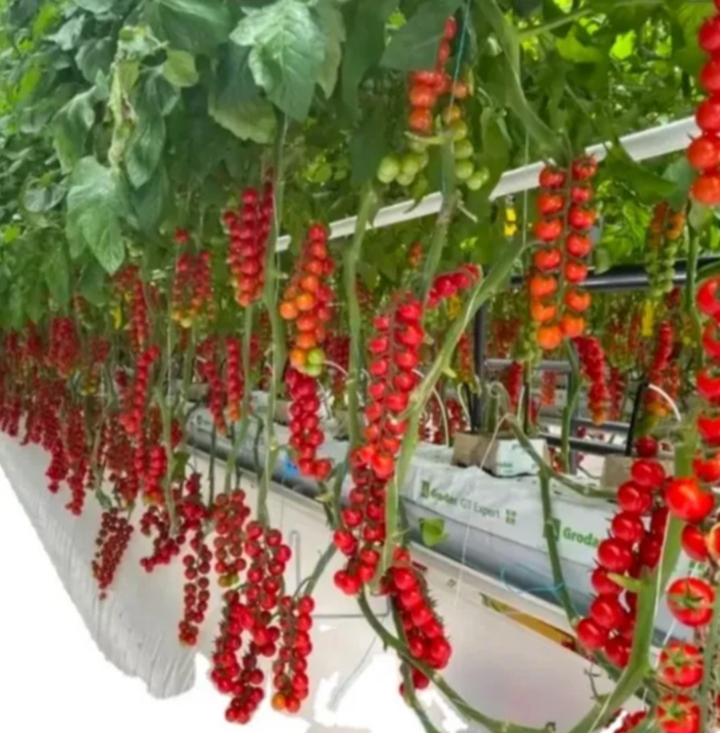
Smart greenhouse systems are changing modern agriculture by helping farmers produce crops more efficiently and sustainably. Tomatoes and peppers are among the most popular greenhouse crops because they thrive best under carefully controlled environmental conditions. With the use of automation, sensors, and Internet of Things (IoT) technology, smart greenhouses allow farmers to monitor and regulate crop conditions in real time.
A smart greenhouse is a technologically advanced structure designed to automatically manage factors such as temperature, humidity, irrigation, ventilation, and lighting. These automated systems reduce the need for manual labor while improving crop quality and productivity. Smart greenhouses are particularly valuable in areas affected by harsh weather conditions or limited water supply.
Why Smart Greenhouses Matter for Tomatoes and Peppers
Tomatoes and peppers are sensitive crops that require stable growing conditions. Sudden temperature changes, excessive humidity, poor ventilation, or irregular watering can negatively affect plant growth and increase the risk of diseases.
Smart greenhouse technology helps maintain a balanced environment by automatically adjusting internal conditions when needed. This supports healthier plants, higher yields, and more efficient use of resources.
Main Components of a Smart Greenhouse
Environmental Monitoring Sensors
Smart greenhouses use sensors to monitor important conditions such as:
- Temperature
- Humidity
- Soil moisture
- Light intensity
- Carbon dioxide levels
- Soil nutrients and pH levels
These sensors continuously gather data and send it to a central control system for analysis and adjustment.
Automated Irrigation Systems
Drip irrigation systems deliver water directly to plant roots according to moisture levels detected by sensors. This reduces water wastage and prevents overwatering.
Many systems also support fertigation, where fertilizers are supplied together with irrigation water to improve crop growth.
Climate Control Systems
Automated climate systems regulate:
- Ventilation
- Cooling fans
- Heating systems
- Shade covers
- Humidity control units
These features help maintain ideal growing conditions for tomatoes and peppers.
Smart Lighting
LED grow lights provide additional lighting when natural sunlight is insufficient. Proper lighting encourages healthy plant growth and improves fruit production.
IoT and Remote Access
IoT integration allows farmers to monitor greenhouse conditions using smartphones, tablets, or computers. Farmers can also receive alerts if environmental conditions become unfavorable, allowing quick intervention.
Ideal Growing Conditions
Tomatoes
Tomatoes grow best under:
- Temperatures between 22°C and 26°C during the day
- Cooler nighttime temperatures
- Moderate humidity levels
- Good ventilation
- Consistent sunlight exposure
Peppers
Peppers require:
- Warm environmental conditions
- Adequate sunlight
- Stable soil moisture
- Proper air circulation
- Protection from excessive humidity and pests
Benefits of Smart Greenhouses
Higher Crop Production
Automated environmental control helps plants grow under optimal conditions, leading to increased productivity.
Efficient Water Usage
Precision irrigation systems provide only the amount of water needed, helping conserve water resources.
Reduced Labor Requirements
Automation minimizes manual tasks such as watering, monitoring, and adjusting climate conditions.
Improved Pest and Disease Control
Controlled greenhouse environments reduce the likelihood of pest infestations and plant diseases.
Year-Round Farming
Smart greenhouses make it possible to grow tomatoes and peppers throughout the year, regardless of seasonal weather changes.
Challenges of Smart Greenhouse Farming
Despite its advantages, smart greenhouse farming also faces several challenges:
- High setup and installation costs
- Dependence on electricity and internet access
- Technical maintenance requirements
- Need for specialized knowledge and training
However, many commercial farmers consider the long-term benefits worth the investment.
Future of Smart Greenhouse Agriculture
Developments in artificial intelligence, robotics, and IoT technology are making smart greenhouses more advanced and accessible. Modern systems can now predict environmental changes, identify plant diseases early, and automate decision-making processes.
As technology continues improving, smart greenhouses are expected to play a major role in sustainable agriculture and food security worldwide.
Conclusion
Smart greenhouse technology is transforming tomato and pepper farming by combining agriculture with automation and digital monitoring systems. Through controlled irrigation, climate management, and real-time data analysis, farmers can increase crop quality, improve yields, and reduce resource waste.
With growing demand for efficient and sustainable food production, smart greenhouses are becoming an important solution for the future of modern farming.