
Water shortage becomes a serious concern during the dry season, particularly in areas with little rainfall and high temperatures. Conserving water is important for homes, farming, industries, and the environment. Proper water management techniques help reduce wastage, maintain water availability, and support the sustainable use of limited resources.
During dry periods, the demand for water often rises while supply decreases, making conservation strategies necessary for both daily activities and long-term sustainability.
Why Water Conservation Is Important
Saving water is essential because it:
- Minimizes water waste
- Protects rivers, lakes, and groundwater sources
- Reduces water and energy costs
- Supports farming activities
- Helps communities manage drought conditions
- Preserves natural ecosystems
By practicing water conservation, individuals and communities can better cope with dry-season water shortages.
Effective Water Conservation Techniques
Rainwater Collection
Rainwater harvesting involves gathering and storing rainwater for future use. Water collected from rooftops can be stored in tanks, containers, or underground reservoirs.
Stored rainwater can be used for:
- Irrigation
- Cleaning
- Washing
- Livestock care
- Household purposes
This method reduces dependence on groundwater and public water systems during periods of scarcity.
Efficient Irrigation Practices
Drip Irrigation
Drip irrigation supplies water directly to plant roots through pipes and small emitters. This method reduces evaporation and ensures efficient water use.
Advantages include:
- Less water wastage
- Healthier crop growth
- Reduced weed development
- Improved fertilizer usage
Sprinkler Irrigation
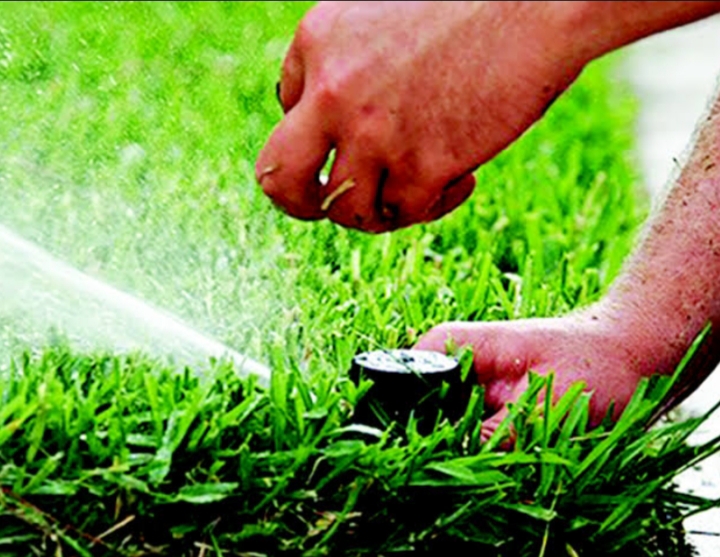
Modern sprinkler systems distribute water evenly while using less water than traditional flooding methods.
Proper Irrigation Timing
Watering plants early in the morning or later in the evening helps reduce evaporation caused by strong sunlight and heat.
Mulching
Mulching involves covering the soil with materials such as straw, dry leaves, grass, or plastic coverings.
Mulching helps:
- Maintain soil moisture
- Reduce water evaporation
- Control weed growth
- Improve soil fertility
This technique is especially useful for gardens and farms during dry weather.
Water Recycling and Reuse
Water used for washing, laundry, or bathing can be treated and reused for irrigation or cleaning.
Recycling water helps reduce pressure on freshwater supplies and promotes efficient resource use.
Repairing Leaks and Reducing Waste
Leaking pipes, taps, and irrigation systems can waste significant amounts of water if not repaired promptly. Regular maintenance helps prevent unnecessary losses.
Simple conservation habits include:
- Fixing leaking taps
- Turning off water when not needed
- Using water-saving appliances
- Avoiding excessive water use
Growing Drought-Tolerant Crops
Farmers can conserve water by planting crops that require less moisture and can survive under dry conditions.
Examples include:
- Sorghum
- Millet
- Cassava
- Cowpea
These crops help improve food production while reducing water demand.
Soil Moisture Conservation
Healthy soil holds water more effectively. Farmers can improve soil moisture retention through:
- Adding compost
- Planting cover crops
- Reducing excessive tillage
- Incorporating organic matter
These practices improve soil structure and reduce water loss.
Public Awareness and Education
Teaching people about the importance of water conservation encourages responsible usage. Educational programs, awareness campaigns, and community workshops can help promote sustainable water practices.
Community participation is essential for effective water management.
Water Storage Solutions
Water storage systems such as dams, reservoirs, tanks, and underground storage facilities help save water during rainy periods for use in the dry season.
Proper storage systems support domestic use, irrigation, and livestock farming during water shortages.
Advantages of Water Conservation
Conserving water during the dry season offers several benefits:
- Stable water supply
- Improved agricultural production
- Reduced environmental damage
- Lower water expenses
- Better drought preparedness
- Enhanced food security
It also helps protect water resources for future generations.
Challenges of Water Conservation
Some obstacles to effective water conservation include:
- High costs of modern irrigation systems
- Limited awareness among communities
- Poor infrastructure
- Climate change impacts
- Weak water management policies
Despite these challenges, simple and affordable conservation methods can still have a major impact.
Conclusion
Water conservation is essential during the dry season to ensure that households, farms, and industries continue to have access to water. Methods such as rainwater harvesting, efficient irrigation, mulching, recycling water, and growing drought-resistant crops can greatly reduce water wastage and improve sustainability.
As climate change and population growth place increasing pressure on water resources, adopting effective conservation practices is becoming more important for environmental protection and long-term human survival.