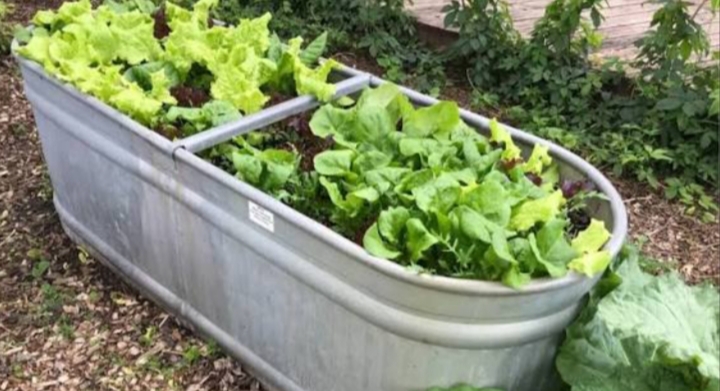
Container farming is a modern agricultural system where vegetables are grown inside modified shipping containers or enclosed units designed for farming. This method is increasingly being adopted in cities and areas with limited farmland as a way to produce fresh food efficiently and sustainably.
By using controlled technology systems, container farming makes it possible to grow vegetables throughout the year without relying on traditional soil-based farmland.
What Container Farming Means
Container farming involves growing crops inside sealed containers that are fitted with systems for lighting, temperature regulation, humidity control, and irrigation. These setups allow farmers to create an ideal environment for plant growth regardless of external weather conditions.
Instead of soil, many container farms use soilless methods such as hydroponics or aeroponics, where plants receive nutrients through water or mist.
How the System Operates
Container farms rely on controlled agricultural technology to manage every aspect of plant development.
Environmental Control
Temperature and humidity are regulated to maintain stable growing conditions for crops at all times.
LED Lighting Systems
Special LED lights are used to replicate sunlight and provide the correct wavelengths needed for plant growth.
Nutrient Delivery
In most systems, plants are grown in nutrient-rich water solutions, which reduces water usage and increases efficiency compared to traditional farming.
Automation Technology
Sensors and digital systems monitor plant growth, moisture levels, and nutrient balance, allowing for precise adjustments when needed.
Types of Vegetables Grown
Container farming is best suited for crops that grow quickly and do not require large root systems. Common examples include:
- Lettuce and other leafy greens
- Spinach
- Kale
- Tomatoes
- Peppers
- Cucumbers
- Herbs such as basil, mint, and parsley
These crops perform well in controlled environments and can be harvested frequently.
Advantages of Container Farming
Continuous Production
Vegetables can be grown all year round since environmental conditions are fully controlled.
Space Efficiency
This method requires very little land, making it ideal for urban areas and densely populated regions.
Reduced Water Use
Hydroponic systems use far less water compared to conventional soil farming.
Minimal Chemical Use
Because the environment is enclosed, pests are limited, reducing or eliminating the need for pesticides.
Fresh Local Supply
Produce can be grown close to consumers, improving freshness and reducing transportation time.
High-Quality Output
Controlled conditions help ensure consistent size, taste, and quality of vegetables.
Limitations of Container Farming
Despite its benefits, container farming has some challenges:
High Setup Costs
Installing containers with lighting, cooling, and irrigation systems requires significant investment.
Energy Requirements
The system depends heavily on electricity for lighting and climate control.
Technical Skills Needed
Farmers must understand hydroponics, system maintenance, and crop management.
Limited Crop Range
It is more suitable for leafy vegetables and herbs than for staple crops like maize or rice.
Business Opportunities
Container farming opens up several commercial opportunities, especially in urban agriculture. These include:
- Commercial vegetable production
- Supplying fresh produce to hotels and supermarkets
- Urban farming startups
- Agricultural technology services
- Training and consultancy in modern farming systems
As urban populations grow, demand for fresh and locally produced vegetables continues to increase.
Environmental Benefits
This farming method is considered environmentally friendly because it:
- Uses less land and water
- Reduces transportation emissions
- Lowers pesticide usage
- Supports sustainable food production in cities
Conclusion
Container farming is a modern and efficient way of producing vegetables, especially in urban environments where land is limited. By combining agriculture with technology, it provides a reliable method for year-round food production.
Although it requires investment and technical knowledge, its benefits in productivity, sustainability, and food security make it an important innovation in modern agriculture.