
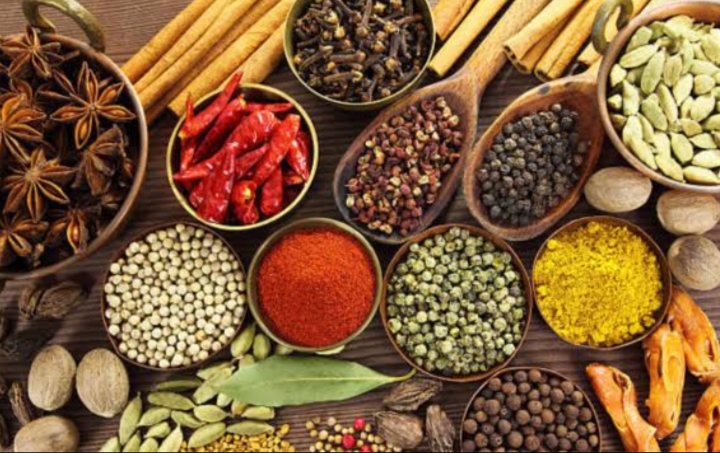
Spices are widely used around the world for cooking, food preservation, health purposes, and commercial trade. Products such as ginger, turmeric, garlic, pepper, cloves, and cinnamon are important agricultural commodities in many countries. However, the true commercial value of these products is often achieved through effective processing and packaging.
Proper spice processing and packaging improve product quality, increase shelf life, boost market value, and create opportunities for employment and business expansion.
Understanding Spice Processing
Spice processing involves transforming raw spices into finished products ready for storage, distribution, or consumption. This process may include cleaning, drying, grinding, mixing, and packaging.
Careful processing helps preserve the flavor, color, aroma, and nutritional properties of spices while ensuring they remain safe and hygienic for consumers.
Main Stages of Spice Processing
Cleaning and Selection
Raw spices are first cleaned to remove dust, stones, damaged particles, and other unwanted materials. Sorting helps identify and separate quality products from defective ones.
Drying Process
Drying reduces moisture content, helping prevent spoilage, mold growth, and bacterial contamination. Spices may be dried naturally in sunlight or using mechanical dryers for improved efficiency and hygiene.
Grinding and Milling
Many spices are converted into powdered form using milling machines. Proper grinding techniques are important for maintaining aroma and preventing contamination during production.
Blending and Mixing
Different spices may be combined to create seasoning blends and flavoring products commonly used in homes and restaurants.
Inspection and Quality Assurance
Before packaging, processed spices are checked to ensure they meet required food safety and quality standards.
Importance of Proper Packaging
Packaging plays a major role in protecting spices from moisture, sunlight, air exposure, and contamination. It also improves product presentation and increases consumer confidence.
Good packaging helps to:
- Maintain freshness and aroma
- Extend product shelf life
- Improve storage and transportation
- Protect against contamination
- Increase product attractiveness in the market
Consumers are generally more attracted to neatly packaged and professionally branded products.
Common Types of Spice Packaging
Different packaging materials are used depending on the product type and target market.
Plastic Packs
Frequently used for powdered spices because they are affordable and convenient.
Glass Bottles and Containers
Often used for premium spice products due to their ability to preserve quality and improve appearance.
Sachet Packaging
Suitable for small quantities and retail distribution.
Jars and Bottles
Commonly used for spice blends and kitchen seasoning products.
Most spice packages contain important information such as:
- Product name
- Ingredients
- Manufacturing and expiry dates
- Nutritional details
- Directions for use
Benefits of Spice Processing and Packaging
Higher Market Value
Processed spices generate more income compared to selling raw agricultural produce.
Employment Opportunities
The industry creates jobs in farming, manufacturing, packaging, marketing, and distribution.
Reduced Waste
Proper preservation methods minimize post-harvest losses and spoilage.
Export Potential
Well-packaged spices can meet international quality standards and access global markets.
Brand Development
Businesses can establish recognizable brands and increase customer loyalty.
Challenges in the Spice Industry
Although the sector offers many opportunities, several challenges still affect spice processing and packaging businesses, including:
- Limited access to modern machinery
- Inadequate storage facilities
- High cost of packaging materials
- Unstable electricity supply
- Difficulty complying with export requirements
- Weak branding and marketing strategies
Improving infrastructure and investment can help overcome these obstacles.
Business Opportunities in Spice Production
The increasing demand for processed and packaged food products has created growing opportunities within the spice industry. Entrepreneurs can explore areas such as:
- Spice cultivation
- Processing and manufacturing
- Packaging and branding
- Export trade
- Organic spice production
- Online spice retailing
Countries with strong agricultural production can increase economic value by focusing more on local processing instead of exporting raw spices.
Conclusion
Spice processing and packaging are important aspects of agricultural value addition. Through proper cleaning, drying, grinding, and packaging, spices can maintain their quality, freshness, and market appeal.
As global demand for packaged food products continues to rise, the spice industry presents valuable opportunities for income generation, employment, and economic growth. With improved technology, quality control, and investment, spice processing and packaging can contribute significantly to sustainable agricultural development.