
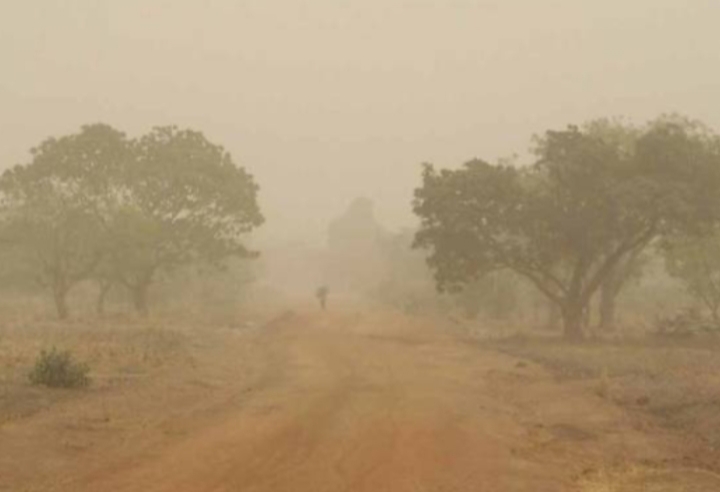
Harmattan is a cold, dry, and dusty wind that occurs in West Africa mainly between November and March. The wind comes from the Sahara Desert and is known for its low humidity, dusty atmosphere, and chilly mornings. This season has a strong impact on farming and crop production.
One of the main effects of Harmattan on crops is moisture loss. The dry air increases evaporation and causes plants to lose water quickly through transpiration, which can lead to wilting and poor crop growth when there is insufficient soil moisture.
Dust carried by the wind can settle on plant leaves and reduce the amount of sunlight absorbed for photosynthesis. As a result, plant development may slow down and crop yields may decrease.
Tender plants and young seedlings are particularly affected during Harmattan. The cold weather experienced at night and in the early morning can damage sensitive crops, causing stunted growth, drying of leaves, or reduced productivity.
The season also dries out the soil rapidly, making it necessary for farmers to water their crops more often to maintain healthy growth.
Although Harmattan can negatively affect crops, it also has some advantages. The dry conditions help reduce certain pests and fungal diseases that spread easily in humid environments. It is also useful for drying and preserving harvested produce such as grains and cocoa.
Farmers can minimize the harmful effects of Harmattan by practicing irrigation, mulching, and using windbreaks to protect crops and conserve soil moisture.