
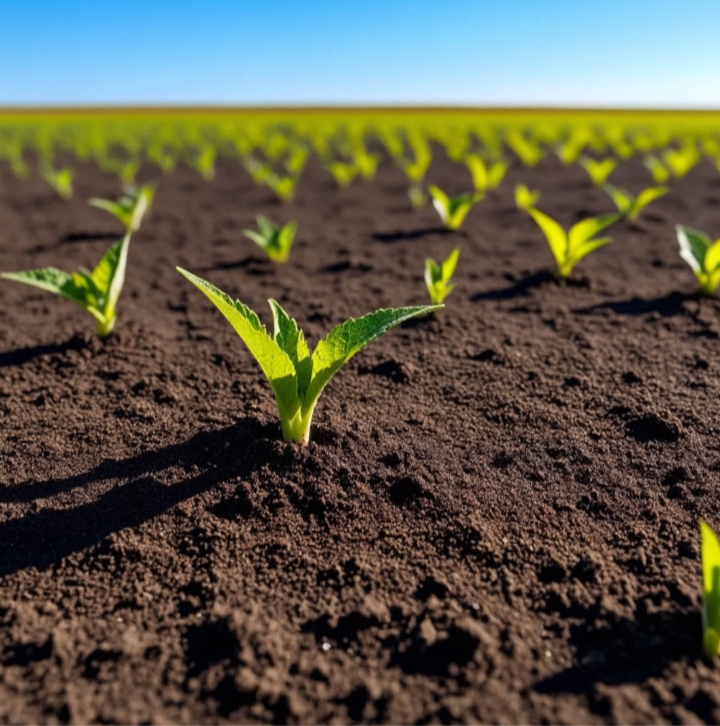
Fertile soil is essential for healthy crops and sustainable agriculture. However, repeated farming, erosion, deforestation, and poor land management can gradually reduce soil quality and nutrient levels. Although chemical fertilizers are often used to increase crop production, overreliance on them can weaken soil structure, reduce beneficial microorganisms, and harm the environment over time.
Natural soil restoration methods provide a safer and more sustainable way to improve soil fertility. These approaches strengthen the soil ecosystem, support long-term productivity, and reduce environmental damage.
What Soil Fertility Means
Soil fertility refers to the ability of soil to provide plants with the nutrients, moisture, and conditions needed for proper growth. Healthy soil usually contains:
- Organic matter
- Essential nutrients
- Good water retention
- Beneficial microorganisms
- Strong soil structure
When these qualities decline, plant growth becomes weaker and crop yields decrease.
Major Causes of Soil Degradation
Several farming and environmental practices contribute to the loss of soil fertility, including:
- Continuous cultivation without allowing the land to recover
- Soil erosion
- Deforestation
- Overgrazing by livestock
- Burning crop residues
- Excessive chemical fertilizer use
- Poor irrigation systems
These factors gradually strip the soil of nutrients and damage its natural balance.
Benefits of Restoring Soil Naturally
Improving soil fertility without chemicals offers many advantages:
- Enhances long-term soil health
- Supports beneficial microorganisms
- Reduces environmental pollution
- Improves moisture retention
- Produces healthier crops
- Lowers farming expenses over time
Natural restoration methods also contribute to sustainable food production and environmental conservation.
Composting Organic Materials
Composting is one of the most effective ways to improve soil naturally. Organic waste materials decompose into nutrient-rich compost that nourishes the soil.
Materials commonly used include:
- Food scraps
- Dry leaves
- Grass cuttings
- Animal waste
- Vegetable remains
Advantages of Compost
- Increases organic matter in the soil
- Improves soil texture
- Supports microbial life
- Helps retain moisture
- Supplies nutrients gradually
Applying compost regularly can restore depleted soils over time.
Practicing Crop Rotation
Crop rotation involves planting different crops on the same farmland during different seasons. This method helps prevent nutrient depletion and minimizes pest and disease problems.
For example:
- Legumes naturally add nitrogen to the soil
- Deep-rooted plants improve soil aeration
- Different crops absorb different nutrients
Rotating crops helps maintain balanced soil conditions naturally.
Using Green Manure and Cover Crops
Green manure crops are planted mainly to improve soil quality rather than for harvest. Cover crops such as beans and clover protect and enrich the soil.
Benefits Include:
- Adding nitrogen to the soil
- Preventing erosion
- Reducing weed growth
- Increasing organic matter
- Improving soil structure
After growth, these plants are mixed into the soil to release nutrients.
Mulching the Soil
Mulching involves covering the soil with organic materials such as:
- Straw
- Dry leaves
- Grass
- Wood chips
Mulch protects the soil surface and improves growing conditions.
Benefits of Mulching
- Conserves soil moisture
- Reduces erosion
- Controls weeds
- Encourages earthworm activity
- Improves soil nutrients as it decomposes
Organic mulch gradually enriches the soil while protecting it from harsh weather.
Applying Animal Manure
Animal manure is another natural source of nutrients for crops. Properly decomposed manure from livestock such as cows, goats, sheep, and poultry can improve soil fertility significantly.
Proper Manure Use
- Allow manure to decompose fully before use
- Apply moderate quantities
- Mix evenly into the soil
Manure improves both nutrient content and soil texture.
Agroforestry and Tree Planting
Agroforestry combines farming with tree cultivation. Trees improve soil conditions in several ways:
- Preventing erosion
- Adding organic matter through fallen leaves
- Providing shade
- Recycling nutrients from deeper soil layers
Some tree species also naturally increase soil nitrogen levels.
Reducing Excessive Tillage
Frequent plowing can damage soil structure and reduce beneficial organisms. Reduced tillage methods help preserve healthy soil conditions.
Benefits of Minimum Tillage
- Improves water retention
- Reduces soil erosion
- Protects microorganisms
- Maintains soil structure
Conservation farming methods support long-term fertility.
Encouraging Beneficial Soil Organisms
Healthy soil contains organisms such as bacteria, fungi, and earthworms that play important roles in nutrient cycling.
These organisms help:
- Break down organic matter
- Improve soil aeration
- Release nutrients for plants
- Support root development
Avoiding harmful chemicals allows these organisms to thrive naturally.
Managing Water Properly
Water management is important for maintaining healthy soil. Too much or too little water can reduce soil productivity.
Helpful practices include:
- Rainwater harvesting
- Proper drainage systems
- Drip irrigation
- Preventing waterlogging
Balanced moisture levels support healthy plant growth and soil life.
Preventing Soil Erosion
Erosion removes nutrient-rich topsoil that crops depend on. Farmers can reduce erosion through:
- Planting cover crops
- Maintaining vegetation cover
- Using terraces on slopes
- Planting windbreaks
Protecting topsoil helps preserve soil fertility for future farming.
Using Biochar
Biochar is a carbon-rich material produced from organic matter under low oxygen conditions. When added to soil, it can:
- Improve nutrient retention
- Increase moisture-holding capacity
- Support beneficial microbes
- Reduce soil acidity
Biochar is becoming increasingly popular in sustainable farming systems.
Learning From Traditional Farming Practices
Many indigenous farming communities have used natural soil restoration methods for generations. Practices such as mixed cropping, fallowing, and organic fertilization have helped maintain fertile farmland over long periods.
Combining traditional knowledge with modern sustainable techniques can strengthen agricultural systems.
Challenges of Natural Soil Restoration
Although natural methods are environmentally friendly, they may require:
- More labor
- Patience and time
- Access to organic materials
- Farmer education and training
Results often develop gradually, but the long-term benefits are usually more sustainable.
Conclusion
Restoring soil fertility without chemical fertilizers is an effective way to support sustainable agriculture and environmental health. Methods such as composting, crop rotation, mulching, agroforestry, and organic manure application can improve soil naturally while protecting ecosystems.
By adopting these practices, farmers can maintain productive farmland, reduce environmental harm, and ensure long-term agricultural sustainability for future generations.