
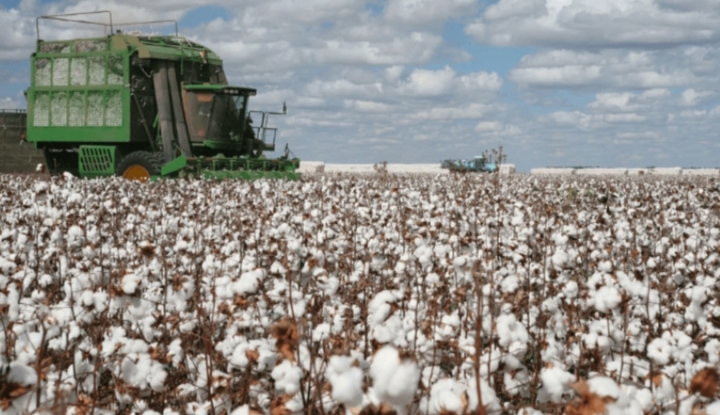
Cotton has been a major agricultural commodity for centuries, serving as a key raw material for the textile industry and providing livelihoods for millions of farmers worldwide. Although cotton production declined in many regions over the past few decades, recent developments suggest the crop may be regaining importance. Increased investment, better farming technologies, and renewed demand are encouraging some farmers to return to cotton cultivation.
Why Cotton Production Declined
Several challenges caused many farmers to reduce or abandon cotton farming. Low market prices, high production costs, pest infestations, and changing weather patterns made the crop less attractive. In some countries, limited government support, poor access to quality seeds, and weak processing industries further reduced farmers’ interest.
Many producers switched to crops that required less investment or generated faster returns.
Signs of a Recovery
There are growing indications that cotton farming is making a comeback in certain areas. Governments and agricultural organizations are introducing initiatives that provide improved seeds, technical training, and financial assistance to farmers. These efforts aim to increase production and strengthen the cotton value chain.
The expansion of local textile manufacturing has also boosted demand for locally produced cotton, creating fresh opportunities for growers.
Better Technology Is Improving Production
Advances in agricultural practices are helping farmers produce higher yields and better-quality cotton. Improved seed varieties, efficient irrigation methods, proper fertilizer management, and integrated pest control have all contributed to increased productivity.
Where available, farm mechanization is reducing labor demands and improving efficiency during planting and harvesting.
Growing Market Demand
Cotton remains one of the world’s most widely used natural fibers. As consumers continue to purchase cotton-based clothing and household products, demand for quality cotton remains strong. Interest in sustainably produced natural fibers has also created opportunities for farmers who adopt environmentally responsible production methods.
Challenges That Remain
Despite positive developments, cotton farming is not without risks. Unpredictable weather, rising input costs, fluctuating market prices, and pest outbreaks continue to affect profitability. Farmers also need reliable access to improved planting materials, extension services, and modern equipment to compete successfully.
Continued investment in research, infrastructure, and farmer support will be essential for long-term growth.
Is Cotton Farming Worth Considering?
Farmers interested in growing cotton should carefully evaluate their local conditions before investing. Factors such as climate, soil quality, production expenses, and access to buyers all influence profitability. Consulting agricultural experts and studying market opportunities can help farmers make informed decisions.
In regions with strong demand and effective support systems, cotton can still be a rewarding cash crop.
Conclusion
Cotton farming is showing encouraging signs of recovery in several parts of the world. Improved farming practices, renewed government support, and increasing demand from the textile sector are creating new opportunities for producers. Although challenges such as climate variability and price fluctuations remain, farmers who embrace modern production techniques and respond to market trends may benefit from the crop’s renewed potential.