
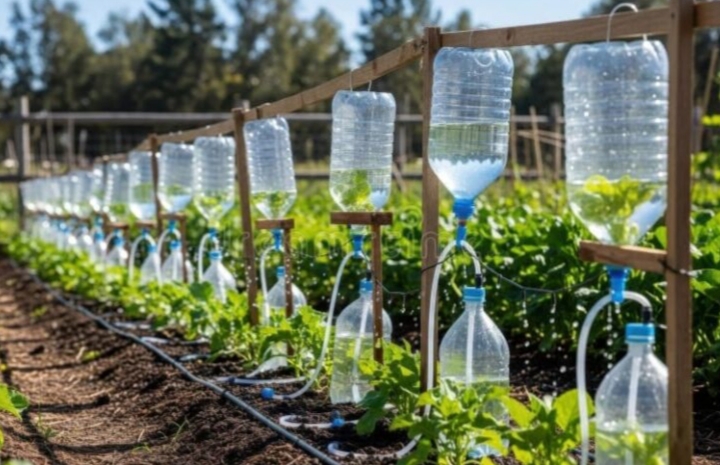
Water is one of the most valuable resources in agriculture, yet many regions face increasing water shortages due to changing weather patterns, prolonged droughts, and growing demand. Drip irrigation offers an efficient solution by delivering water directly to plant roots, helping farmers and gardeners grow healthy crops while using less water.
Whether you manage a small vegetable garden or a large farm, these practical drip irrigation tips can help you conserve water without sacrificing productivity.
What Is Drip Irrigation?
Drip irrigation is a watering method that slowly releases water through a network of tubes, emitters, or drip lines placed near plant roots. Instead of soaking an entire field, water is applied precisely where plants need it most.
This targeted approach reduces waste and improves water efficiency compared to traditional overhead sprinklers or flood irrigation.
- Water the Root Zone
The main advantage of drip irrigation is its ability to deliver water directly to the root area. Position emitters close enough to the base of each plant so moisture reaches the active root zone rather than surrounding bare soil.
This encourages stronger root development while minimizing water loss.
- Irrigate During Cooler Hours
Run your drip system early in the morning or later in the evening when temperatures are lower. Watering during these times reduces evaporation, allowing more moisture to soak into the soil and reach plant roots.
- Apply Mulch Around Plants
Adding a layer of organic mulch, such as straw, compost, shredded leaves, or wood chips, helps keep the soil moist by reducing evaporation. Mulch also suppresses weeds, which compete with crops for water and nutrients.
Combining mulch with drip irrigation is an effective way to improve water efficiency.
- Inspect the System Regularly
Leaks, clogged emitters, or damaged tubing can reduce the effectiveness of your irrigation system and waste water.
Check your system frequently to:
Look for leaks or cracks.
Clean clogged emitters.
Repair damaged tubing.
Ensure all plants receive adequate water.
Routine maintenance keeps the system operating efficiently.
- Water According to Crop Needs
Different crops require different amounts of water. Leafy vegetables, fruiting plants, and drought-tolerant crops all have unique watering requirements.
Adjust irrigation schedules based on:
Crop type
Plant growth stage
Soil type
Weather conditions
Avoid using the same watering schedule for every crop.
- Prevent Overwatering
Too much water can be just as harmful as too little. Excess moisture may encourage root diseases, reduce oxygen in the soil, and waste valuable water.
Before irrigating, check soil moisture by feeling the soil several inches below the surface or using a soil moisture sensor. Water only when the soil begins to dry in the root zone.
- Divide the Farm into Irrigation Zones
If you’re growing different crops or farming on uneven ground, divide your irrigation system into zones. This allows each area to receive the amount of water it actually needs instead of treating the entire field the same way.
Zoning improves efficiency and helps avoid unnecessary water use.
- Filter Your Water Supply
Sediment, algae, and mineral deposits can clog drip emitters over time. Installing a suitable filter helps maintain consistent water flow and reduces maintenance.
Clean or replace filters regularly to keep the system functioning properly.
- Monitor Weather Conditions
Adjust your irrigation schedule after rainfall or during cooler periods. Watering immediately after heavy rain can lead to overwatering and wasted resources.
Many modern irrigation controllers can be programmed to respond to local weather conditions, helping reduce unnecessary watering.
- Upgrade the System When Needed
As your farm expands or crop production changes, review your irrigation setup. Replacing worn tubing, upgrading emitters, or adding pressure regulators can improve water distribution and system performance.
Periodic improvements can increase efficiency and reduce long-term operating costs.
Benefits of Drip Irrigation
When properly designed and maintained, drip irrigation can provide several advantages:
Uses less water than many traditional irrigation methods.
Delivers moisture directly to plant roots.
Reduces evaporation and runoff.
Helps suppress weed growth by keeping surrounding soil drier.
Can improve crop quality and yields through more consistent watering.
Reduces the risk of certain foliar diseases because plant leaves stay relatively dry.
Final Thoughts
Efficient water management is becoming increasingly important in agriculture, and drip irrigation is one of the most effective tools for conserving this valuable resource. By watering the root zone, maintaining your system, using mulch, monitoring soil moisture, and adjusting irrigation to match crop needs, you can grow healthy plants while making the most of every drop of water.
A well-managed drip irrigation system not only supports productive harvests but also contributes to more sustainable farming practices for the future.