
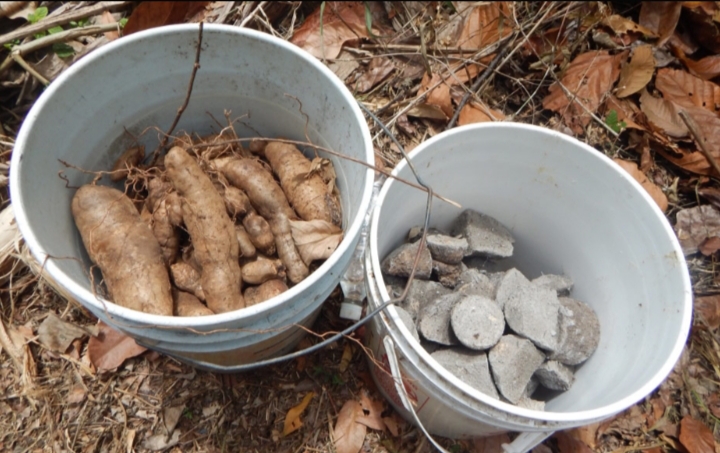
For many yam farmers, obtaining enough planting material is one of the biggest production challenges. Since whole or large pieces of yam tubers are traditionally used as seed, a significant portion of the harvest is set aside for planting instead of being sold or eaten. The yam minisett method provides a cost-effective alternative by producing multiple planting pieces from one healthy tuber.
What Is the Yam Minisett Method?
The yam minisett method is a propagation technique that involves dividing a healthy yam tuber into several small sections. Each section, known as a minisett, has the potential to sprout and grow into a new yam plant when properly prepared and planted. This method enables farmers to increase the amount of planting material without purchasing additional seed yams.
Advantages of Using the Minisett Method
Farmers who adopt this technique can enjoy several benefits, including:
Producing more planting materials from fewer tubers
Reducing the cost of purchasing seed yams
Making better use of harvested tubers
Expanding yam cultivation with limited resources
Improving access to quality seed for future planting seasons
Increasing the potential for higher farm profits
Preparing the Minisetts
Begin by selecting healthy, mature yam tubers that show no signs of disease, decay, or pest damage.
Using a clean, sharp knife, divide each tuber into small pieces weighing approximately 25–50 grams. Ensure that every piece includes a portion of the tuber’s outer skin, as this is where new shoots typically emerge.
After cutting, spread the minisetts in a shaded, airy location for one to two days. This curing process allows the cut surfaces to dry and reduces the likelihood of rotting after planting.
Protecting the Planting Pieces
To minimize losses from pests and fungal infections, many growers treat cured minisetts with approved fungicides and insecticides before planting. Always use crop protection products according to the manufacturer’s instructions and follow recommendations from local agricultural authorities.
Planting the Minisetts
Plant the minisetts at the start of the rainy season when the soil has enough moisture for germination.
Place each piece about 5 to 10 centimeters deep in fertile, well-drained soil, positioning it so the skin faces upward while the cut surface points downward or sideways. Leave adequate spacing between plants to encourage healthy development and reduce competition for nutrients.
Managing the Crop
Proper field management plays an important role in achieving good yields. Weed the field regularly, provide stakes for climbing yam varieties, and apply fertilizers only when needed based on soil fertility. Frequent inspection of the crop helps detect pests and diseases early, allowing timely control measures.
Harvesting the Crop
Yams grown through the minisett method generally reach maturity several months after planting, depending on the variety and environmental conditions. Many harvested tubers can serve as quality seed yams for the following season, while others may be large enough for household consumption or commercial sale.
Best Practices for Success
To improve your chances of a successful harvest:
Select only healthy planting tubers.
Clean and disinfect cutting tools before use.
Cure minisetts before planting.
Plant during the appropriate growing season.
Maintain good weed control and field hygiene.
Monitor crops regularly for pests and diseases.
Conclusion
The yam minisett method is an efficient and affordable way to multiply yam planting materials from a single tuber. By carefully preparing and managing the minisetts, farmers can reduce production costs, improve seed availability, and increase the productivity of their farms. With proper implementation, this technique offers a practical solution for sustainable yam production and long-term agricultural success.