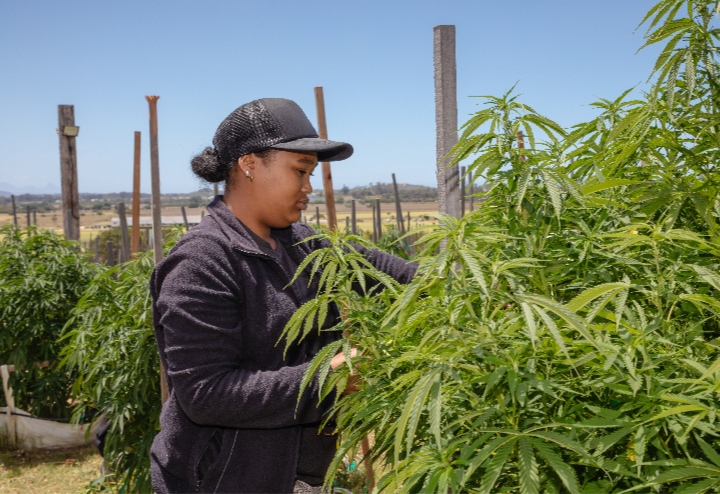
Hemp farming is becoming an area of growing interest across Africa because of its potential applications in sectors such as clothing, food production, cosmetics, building materials, and other sustainable industries. However, the rules surrounding hemp cultivation differ significantly between African nations, with each country taking its own approach to regulating cannabis-related activities.
Industrial hemp is different from marijuana because it contains only trace amounts of THC, the chemical compound responsible for the intoxicating effects of cannabis. This distinction has encouraged some governments to develop regulations that allow hemp production for approved commercial, agricultural, and research purposes.
A number of African countries are examining the economic opportunities linked to hemp and cannabis industries as they seek new sources of agricultural growth and foreign investment. Countries including South Africa have established systems that permit licensed industrial hemp cultivation under government-approved guidelines. Elsewhere, policymakers are reviewing possible reforms while maintaining restrictions designed to control misuse.
In many African countries, hemp farming is still limited by outdated legislation or unclear policies that treat all cannabis plants in the same category. Potential farmers and investors may encounter difficulties such as obtaining permits, finding certified low-THC seeds, meeting regulatory requirements, and understanding whether hemp cultivation is legally permitted.
Where hemp farming is allowed, growers are usually required to follow strict conditions. These may include securing cultivation licenses, planting approved hemp varieties, maintaining THC levels within legal limits, and complying with monitoring procedures. Such regulations help authorities distinguish legal industrial production from unauthorized cannabis cultivation.
The expanding interest in hemp is driven by its possible economic advantages. Advocates believe the crop could support rural employment, create new business opportunities, encourage exports, and contribute to more environmentally sustainable agricultural practices. Its versatility has made it attractive to entrepreneurs exploring alternative crops and green industries.
Despite its potential, the growth of Africa’s hemp sector depends on clearer laws, improved regulatory systems, farmer training, investment in processing infrastructure, and stronger market connections. Uncertainty around regulations remains one of the biggest obstacles preventing wider adoption.
Overall, hemp cultivation in Africa is still an emerging industry. While some countries are moving toward regulated production, others continue to maintain strict controls. As governments continue to evaluate the economic and agricultural possibilities of hemp, the industry could expand with the right balance between opportunity and regulation.