
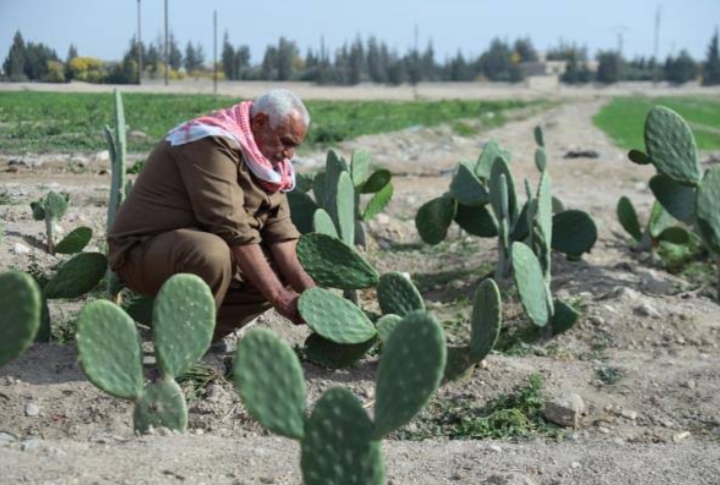
Cactus farming for fodder is becoming an important agricultural practice in dry and semi-arid areas where rainfall is limited and conventional pasture crops often fail. Some cactus species, especially Opuntia ficus-indica, are highly resistant to drought and can produce large amounts of usable biomass that can be fed to livestock.
Because of its resilience in harsh climates, cactus is now widely recognized as a practical and climate-smart feed option that helps improve livestock survival while conserving water and land.
Why Cactus Is Used as Animal Feed
Cactus is suitable for fodder production because it:
- Thrives in dry and hot environments
- Requires very little water
- Grows well even in poor soils
- Produces high yields of green material
- Stores moisture that helps hydrate animals
It is especially useful during drought periods when grasses and other fodder sources are scarce.
Nutritional Composition of Cactus Fodder
Cactus pads (cladodes) are not high in protein, but they provide:
- High moisture content, which helps prevent dehydration
- Readily digestible carbohydrates
- Small amounts of minerals such as calcium and magnesium
- Dietary fiber that aids digestion in animals
Since it lacks sufficient protein, cactus is usually combined with other feed ingredients like legumes, hay, or concentrate feeds to ensure a balanced diet.
Suitable Cactus Species for Fodder
The most widely used species for animal feed is:
- Opuntia ficus-indica
Other species within the Opuntia family are also used depending on local conditions. Many of these varieties are spineless or have very few spines, making them safer for livestock consumption.
How to Establish a Cactus Fodder Farm
Setting up a cactus farm involves a few essential steps:
Land Selection
- Choose well-drained soil
- Sandy or rocky soils are ideal
- Avoid areas prone to flooding or waterlogging
Planting Material
- Use healthy cactus pads as cuttings
- Let cut surfaces dry before planting to prevent rot
- Plant at an angle to support rooting
Planting Arrangement
- Space plants properly to allow growth and harvesting
- Spacing depends on rainfall levels and soil fertility
Watering
- Water during the early growth stage only
- Mature plants require minimal or no irrigation
Management Practices
To maintain a productive cactus farm:
- Remove weeds around young plants
- Apply compost or organic manure occasionally
- Protect plants from early grazing
- Control pests such as scale insects or cochineal
- Prune regularly to encourage new growth
Cactus farming generally requires less maintenance than most fodder crops.
Harvesting Cactus for Livestock Feed
Harvesting usually begins:
- About 6 to 12 months after planting, depending on conditions
- Multiple times per year once the plantation is established
Harvest Guidelines
- Cut mature pads without damaging the main plant
- Leave young pads for regrowth
- Handle carefully, especially if spines are present
The harvested pads can be fed fresh or chopped and mixed with other feeds.
Feeding Methods for Livestock
Cactus fodder is commonly given to:
- Cattle
- Goats
- Sheep
- Camels
Feeding Options
- Fresh chopped cactus pads
- Mixed with dry fodder or hay
- Fermented cactus silage
Because cactus alone is not nutritionally complete, it should always be part of a mixed diet.
Benefits of Cactus Farming
Cactus-based fodder production offers several advantages:
- Excellent resistance to drought
- Very low water requirement
- Year-round feed availability
- Helps reduce pressure on natural grazing land
- Useful during drought emergencies
- Can grow on marginal or degraded land
It is considered a strong climate-resilient farming practice.
Limitations of Cactus Fodder
Despite its benefits, cactus farming has some drawbacks:
- Low protein content
- Requires supplementation with other feeds
- Handling can be difficult in spiny varieties
- Slow establishment in early stages
These challenges can be managed through proper feeding and farm planning.
Environmental Importance
Cactus farming also supports environmental conservation by:
- Reducing overgrazing of natural pastures
- Helping combat desertification
- Improving land use in dry regions
- Supporting livestock survival under climate stress
It plays an important role in sustainable agriculture in arid zones.
Conclusion
Farming cactus, particularly Opuntia ficus-indica, offers a reliable and sustainable solution for livestock feeding in dry regions. While it cannot fully replace traditional fodder, it is highly effective as a supplementary feed, especially during drought periods.
When combined with other nutrient sources, cactus fodder improves animal health, supports productivity, and strengthens climate resilience in farming systems.