
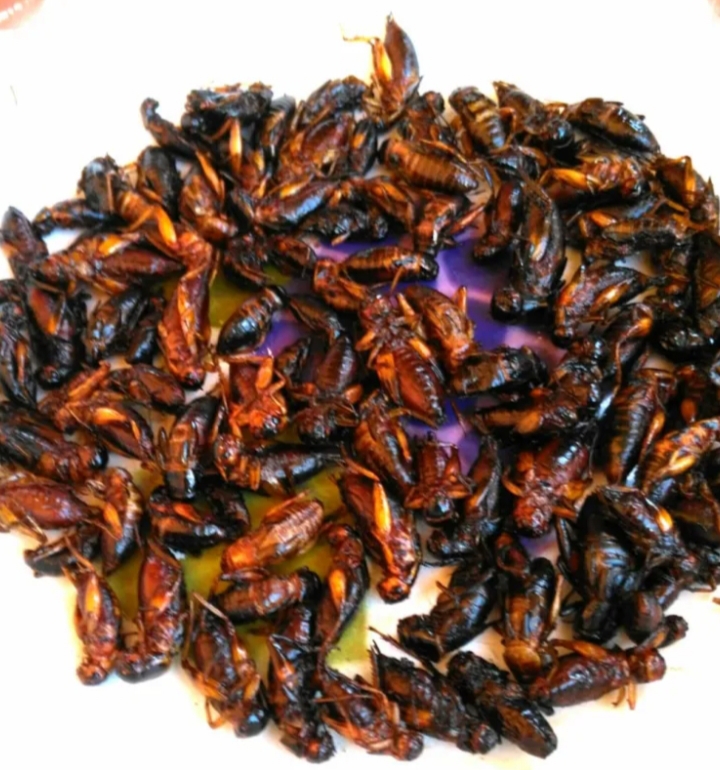
Cricket farming is one of the most accessible forms of insect agriculture, also known as entomophagy when used for human food and insect protein production for animal feed. Crickets are efficient converters of feed into protein, making them valuable for both human consumption and livestock industries.
They are commonly raised for poultry, fish feed, pet food, and also processed into human food products such as protein powder and snacks.
Why Crickets Are Farmed
Crickets are widely used in insect farming because they offer several advantages:
- High protein content (often 55–70% when dried)
- Rapid life cycle and reproduction
- Low requirements for land and water
- Ability to feed on inexpensive plant-based materials and organic waste
- Strong demand in animal feed industries, especially aquaculture
Compared to traditional livestock, crickets produce protein more efficiently using fewer resources.
Setting Up a Cricket Farm
A cricket farm can be started on a small scale using simple equipment.
Housing System
Crickets are usually kept in containers such as plastic bins, crates, or wooden boxes. To prevent escape and ensure proper airflow, these enclosures should include ventilation covered with fine mesh.
Inside each container, materials like cardboard or egg trays are added to provide hiding spaces and reduce stress.
Optimal temperature range: 25°C to 32°C
Breeding Process
A starter population includes adult male and female crickets placed in a controlled environment.
Females lay eggs in a moist substrate such as soil or coconut fiber. These eggs typically hatch within 1 to 2 weeks, depending on conditions.
Feeding Requirements
Crickets can survive on a variety of simple feeds, including:
- Cereal bran (maize or wheat)
- Vegetable waste
- Leafy greens
- Fruit peels in limited quantities
Clean drinking water should be provided using safe methods like damp cotton or sponges to avoid drowning.
Growth and Life Cycle
The cricket life cycle is short and efficient:
- Eggs hatch in about 1–2 weeks
- Nymph stage lasts around 5–6 weeks
- Adults live for a few weeks, mainly for breeding and harvest
This fast cycle allows for multiple production batches throughout the year.
Harvesting Process
Crickets are harvested once they reach full size. Common methods include temporarily cooling them to slow movement, then separating them from waste materials.
After harvesting, they are typically processed by:
- Drying using low heat or solar drying
- Grinding into flour
- Packaging as whole roasted insects
- Converting into animal feed ingredients
Uses of Crickets
Human Consumption
Crickets can be processed into:
- Protein powder
- Baking flour
- Snack foods
- Nutritional supplements
They are valued for being rich in protein and environmentally sustainable.
Animal Feed
Crickets are also widely used in:
- Fish farming
- Poultry production
- Exotic pet diets
Business Opportunities
Cricket farming is appealing because of:
- Low startup costs
- Fast production cycles
- Growing global demand for sustainable protein
- Efficient use of feed resources
Success depends on proper management, including hygiene, temperature control, and market access.
Challenges to Consider
Despite its advantages, cricket farming comes with challenges such as:
- Maintaining clean conditions to prevent odor and disease
- Preventing escape of insects
- Controlling moisture to avoid mold growth
- Managing temperature sensitivity
- Building consumer acceptance in some markets
Proper handling and consistent monitoring are essential for success.
Final Summary
Cricket farming provides a sustainable method of producing protein for both human food and animal feed. Its efficiency, low resource needs, and fast growth cycle make it a promising agricultural venture.
For beginners, starting small, focusing on proper environmental control, and securing a reliable market are key steps toward success.
As demand for alternative protein sources continues to grow, crickets are becoming an increasingly important part of sustainable agriculture.