
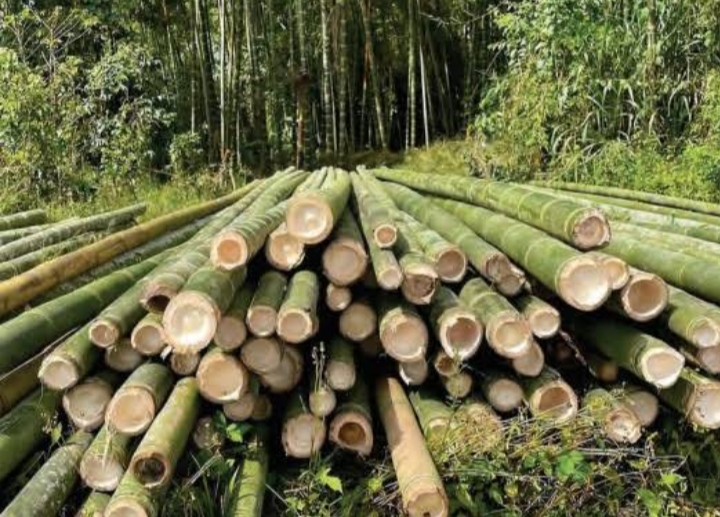
Bamboo is widely regarded as one of the fastest-growing and most sustainable plants used for commercial farming. In many cases, it reaches harvest maturity in about three years, making it far quicker than traditional timber trees. Once fully established, it continues to produce new shoots year after year, offering long-term benefits to growers.
Why Bamboo Is Considered a Long-Term Crop
A major advantage of bamboo is its rapid growth cycle. Depending on the species, it can become ready for harvesting within three to five years, which is significantly faster than most hardwood trees.
After mature bamboo stems are cut, the plant does not die. Its underground rhizome system remains active and continues to generate new shoots. This means farmers can harvest repeatedly without replanting, allowing continuous production over many years.
Income Potential from Bamboo
Bamboo is valuable because it serves many industries, creating multiple ways to earn income.
It is commonly used for:
- Building and construction materials
- Furniture and interior design products
- Paper and packaging materials
- Crafts and decorative items
- Fencing and landscaping
- Renewable energy sources like biomass
- Edible bamboo shoots
As demand grows for environmentally friendly materials, bamboo has become even more commercially attractive.
Environmental Advantages
Beyond financial benefits, bamboo also supports environmental sustainability.
It helps to:
- Absorb carbon dioxide efficiently
- Reduce soil erosion
- Restore degraded land areas
- Improve soil structure over time
- Support eco-friendly farming systems
Because it grows quickly and requires relatively low maintenance, bamboo is often seen as a green investment.
What Affects Profitability
The success of bamboo farming depends on several important factors, including:
- The species of bamboo selected
- Climate and soil suitability
- Market access and demand
- Farming and maintenance practices
- Ability to process or add value to raw bamboo
Growers who move beyond selling raw stalks and explore processing or manufacturing often achieve higher earnings.
Is Bamboo a Good Investment for Everyone?
While bamboo can be profitable, it is not an instant-income crop. The early years require patience before major returns begin. Although harvesting can start around the third year, consistent profits usually depend on long-term management and market development.
Farmers should carefully evaluate their region, available land, and potential buyers before starting a plantation.
Final Summary
The idea of “harvest in 3 years, earn for life” reflects bamboo’s long-term earning potential. Once a plantation is established, it can continue producing harvests for many years without replanting.
For those looking for a sustainable and long-lasting agricultural venture, bamboo offers both environmental benefits and steady economic opportunities when managed properly.