
Farming is full of uncertainties, and not every crop delivers the results growers expect. Market fluctuations, pest outbreaks, changing weather conditions, and rising production costs can all affect a crop’s profitability. While persistence is often important in agriculture, there are times when continuing to invest in the same crop may no longer be the best decision.
Recognizing when a crop is no longer worth the effort can help farmers reduce losses, improve efficiency, and take advantage of more profitable opportunities.
Why Farmers Often Delay Making a Change
Many growers continue planting the same crop year after year because it is familiar, traditional, or has been successful in the past. Others hope that poor performance is temporary and that the next season will bring better results.
Although patience can be valuable, repeatedly investing in a crop that consistently fails to meet expectations can limit a farm’s growth and profitability.
Warning Signs That It May Be Time to Switch Crops
Ongoing Poor Returns
A single disappointing harvest does not necessarily justify abandoning a crop. However, if profits remain low or losses continue across several seasons, it may be time to reassess your options.
Review key expenses such as:
- Seed costs
- Fertilizers
- Labor
- Irrigation
- Pest management
- Transportation
If income consistently falls short of production costs, exploring alternative crops may be a wise move.
Falling Demand in the Market
Consumer preferences and market conditions are constantly changing. A crop that was once highly profitable may become less attractive as demand declines and prices weaken.
Keeping track of market trends can help identify crops with stronger future potential.
Frequent Pest and Disease Issues
Recurring pest infestations and plant diseases can significantly reduce yields and increase production costs. If these problems persist despite effective management efforts, continuing with the same crop may become increasingly difficult.
Introducing a different crop can sometimes break pest cycles and reduce disease pressure.
Reduced Performance in Local Conditions
Environmental conditions change over time. Variations in rainfall, temperature, and soil quality can affect how well certain crops perform.
If yields continue to decline despite proper farming practices, it may indicate that another crop is better suited to current conditions.
More Profitable Alternatives Are Available
Agricultural markets evolve, creating opportunities for farmers willing to adapt. New crop varieties and emerging market demands may offer better returns than traditional crops.
Being open to change can position farmers for long-term success.
Factors to Consider Before Making the Switch
Before deciding to replace a crop, ask yourself:
- Is the problem likely to be temporary?
- Have all management options been explored?
- Are there improved varieties available?
- What is the market outlook for alternative crops?
- Do you have the necessary knowledge and resources to grow a new crop successfully?
Careful planning can help minimize risk and improve decision-making.
Tips for Transitioning to a New Crop
Conduct Thorough Research
Learn about the growth requirements, production costs, and market opportunities associated with potential replacement crops.
Experiment on a Small Scale
Instead of changing your entire operation at once, dedicate a small portion of land to testing a new crop. This approach allows you to gain experience while limiting risk.
Evaluate Market Opportunities
A successful crop is not only productive but also profitable. Research local and regional demand before making a major change.
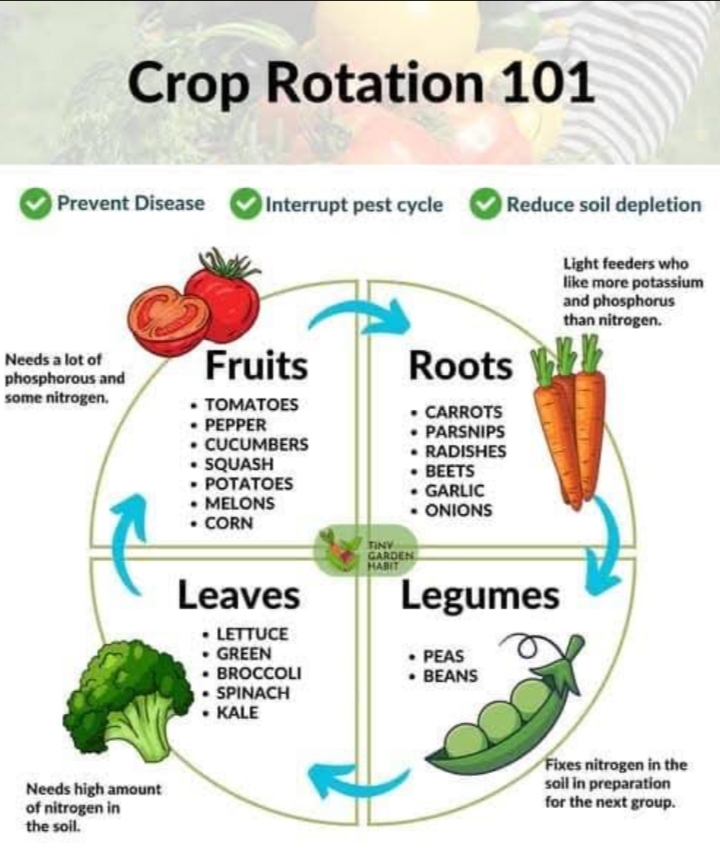
Use Crop Rotation Strategically
Introducing different crops can improve soil fertility, reduce pest populations, and support long-term farm productivity.
Consult Agricultural Experts
Extension officers, agronomists, and experienced growers can provide valuable guidance when evaluating new opportunities.
Benefits of Changing Crops
Switching to a better-suited crop can provide several advantages, including:
- Higher profit potential
- Reduced pest and disease pressure
- Improved soil health
- Greater resilience to environmental challenges
- Access to new markets
- Better long-term sustainability
Conclusion
Deciding to stop growing a particular crop is not a failure it is often a smart business decision. Farming requires flexibility and the ability to respond to changing conditions. When a crop consistently underperforms despite your best efforts, exploring alternative options may lead to better outcomes.
By monitoring profitability, assessing market trends, and evaluating production challenges, farmers can make informed decisions that support long-term success. Sometimes the best way to move forward is to leave an unproductive crop behind and invest in one with greater potential.