
Introduction
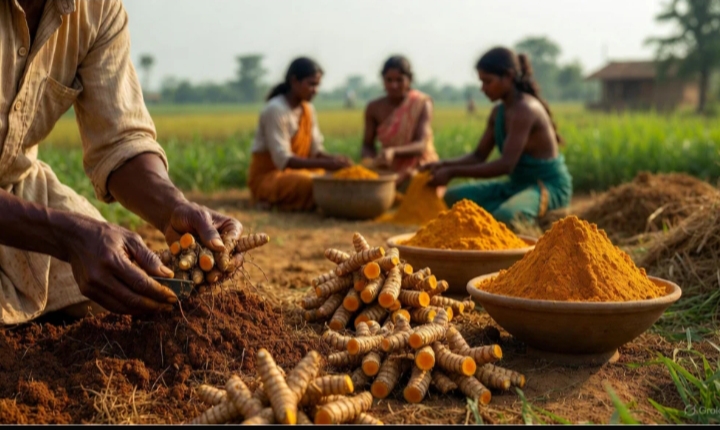
With growing interest in natural health products, turmeric has emerged as one of the most valuable crops for modern farmers. Known for its bright color and health-supporting properties, turmeric is widely used in foods, dietary supplements, herbal remedies, and skincare products.
As demand for natural wellness solutions continues to increase, turmeric farming offers farmers an attractive opportunity to supply a thriving market while building a profitable agribusiness.
The Rising Popularity of Turmeric
Turmeric is prized for its active compound, curcumin, which is associated with antioxidant and anti-inflammatory benefits. This has made turmeric a popular ingredient among consumers seeking natural approaches to health and wellness.
Today, turmeric is commonly found in:
- Nutritional supplements
- Herbal health products
- Functional foods and drinks
- Wellness teas
- Beauty and skincare formulations
- Natural food colorants
Its broad range of applications has helped fuel steady demand across multiple industries.
Why Farmers Are Investing in Turmeric
Growing Consumer Demand
The health and wellness sector continues to expand globally, creating a strong and reliable market for turmeric-based products.
Diverse Revenue Opportunities
Farmers can market turmeric in several forms, including:
- Fresh turmeric rhizomes
- Dried turmeric
- Ground turmeric powder
- Organic turmeric products
- Curcumin-rich extracts
- Finished consumer products
Offering processed or specialized products can improve profit margins.
Extended Storage Potential
Once properly processed and stored, turmeric can remain marketable for long periods, giving farmers greater flexibility in timing their sales.
Adaptable Production Scale
Whether cultivated on a small farm or a large commercial operation, turmeric can be a viable crop for producers with different resource levels.
Key Requirements for Cultivation
Turmeric performs best in warm climates with sufficient moisture and fertile soil.
Important growing conditions include:
- Well-drained soil rich in organic matter
- Warm temperatures throughout the growing season
- Adequate rainfall or irrigation
- Consistent soil moisture
- Good sunlight exposure
Meeting these requirements helps ensure healthy crop development and strong yields.
Recommended Farming Practices
Use Healthy Seed Rhizomes
Starting with quality planting material improves crop vigor and reduces disease risks.
Improve Soil Fertility Naturally
Organic manure and compost can enhance soil health while appealing to buyers seeking naturally produced crops.
Maintain Effective Weed Control
Regular weed management prevents competition for nutrients, water, and sunlight.
Monitor Crop Health
Routine field inspections help identify pests and diseases early, allowing timely intervention.
Harvest at Peak Maturity
Turmeric should be harvested when the plants show signs of maturity, ensuring optimal quality and market value.
Increasing Profit Through Value Addition
Selling raw turmeric is only one option. Processing and branding can significantly boost profitability.
Value-added opportunities include:
- Producing turmeric powder
- Packaging retail-ready products
- Creating turmeric tea blends
- Supplying ingredient manufacturers
- Developing organic product lines
These approaches allow farmers to capture more value from their harvest.
Reaching the Health Market
Potential customers for turmeric products include:
- Wellness retailers
- Herbal medicine producers
- Supplement companies
- Cosmetic brands
- Food manufacturers
- Export markets
Establishing strong buyer relationships can help secure consistent sales and long-term growth.
Challenges Farmers Should Prepare For
Despite its potential, turmeric farming comes with several considerations:
- Changing market prices
- Processing and packaging expenses
- Quality assurance requirements
- Storage and logistics challenges
- Market competition
Careful planning and a focus on product quality can help farmers overcome these obstacles.
Conclusion
Turmeric farming presents a valuable opportunity for producers looking to participate in the growing health and wellness economy. As demand for natural products continues to rise, farmers who prioritize quality production, efficient processing, and effective marketing can position themselves for long-term success.
By going beyond raw production and embracing value-added opportunities, turmeric growers can maximize both profitability and market reach.