
Introduction
As demand for natural health supplements continues to grow, spirulina farming has emerged as a profitable and environmentally friendly agricultural venture. Spirulina, a nutrient-rich blue-green microalgae, is widely consumed as a dietary supplement due to its high protein content and abundance of vitamins, minerals, and antioxidants.
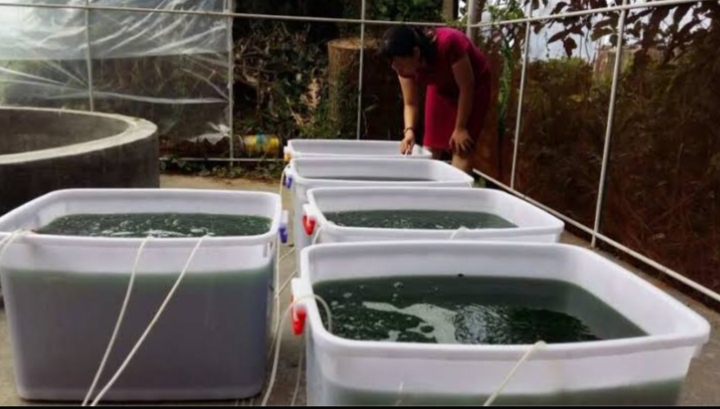
Tank-based spirulina cultivation offers entrepreneurs and farmers an efficient way to produce this valuable superfood while maintaining greater control over production conditions and quality.
What Is Spirulina?
Spirulina is a microscopic algae that thrives in alkaline water under warm temperatures and adequate sunlight. It is recognized globally as one of the most nutrient-dense foods available and is commonly used in:
- Dietary supplements
- Health drinks and smoothies
- Protein powders
- Functional foods
- Animal and fish feed
- Cosmetics and skincare products
Its growing popularity among health-conscious consumers has created a strong market for commercial production.
Why Grow Spirulina in Tanks?
Tank cultivation provides several advantages over natural ponds and open water systems.
Better Quality Control
Farmers can closely monitor water quality, pH levels, nutrient concentrations, and temperature, ensuring consistent production and product quality.
Reduced Contamination Risk
Tanks help minimize contamination from unwanted algae, pollutants, insects, and other environmental factors that can affect crop quality.
Efficient Use of Space
Spirulina can be cultivated in relatively small areas, making tank farming suitable for urban, peri-urban, and small-scale agricultural operations.
Year-Round Production
With proper management and climate control, producers can maintain continuous harvesting throughout much of the year.
Requirements for Tank-Based Spirulina Farming
Successful production depends on creating the right growing environment.
Key requirements include:
- Shallow cultivation tanks
- Clean water supply
- Nutrient-rich growth medium
- Adequate sunlight or artificial lighting
- Water circulation system
- Monitoring equipment for pH and temperature
Maintaining optimal growing conditions is essential for maximizing productivity.
The Cultivation Process
Tank Preparation
The tanks are filled with water and a specially formulated nutrient solution that supports spirulina growth.
Inoculation
A starter culture of spirulina is introduced into the prepared tanks.
Growth Management
Regular monitoring ensures that pH, temperature, nutrient levels, and water circulation remain within ideal ranges.
Harvesting
Once the culture reaches the desired density, spirulina is harvested using fine filtration methods.
Processing
The harvested biomass is washed, dried, and processed into powder, flakes, tablets, or capsules depending on market requirements.
Profit Opportunities
Spirulina can be sold in several forms:
- Fresh spirulina paste
- Dried powder
- Capsules and tablets
- Health drink ingredients
- Animal feed supplements
- Cosmetic ingredients
Value-added processing can significantly increase profit margins compared to selling raw biomass.
Target Markets
Potential customers include:
- Health food stores
- Supplement manufacturers
- Fitness and wellness brands
- Pharmaceutical companies
- Cosmetic producers
- Livestock and aquaculture operators
Growing consumer awareness of plant-based nutrition continues to support market expansion.
Challenges to Consider
While spirulina farming offers attractive opportunities, producers should prepare for:
- Initial setup costs
- Technical management requirements
- Quality control standards
- Processing and packaging expenses
- Regulatory compliance for food products
Proper training and operational planning can help reduce these challenges.
Environmental Benefits
Spirulina cultivation is considered one of the most sustainable forms of food production because it:
- Requires relatively little land
- Uses water efficiently
- Produces high protein yields
- Has a lower environmental footprint than many conventional protein sources
These advantages make it increasingly attractive in a world seeking sustainable food solutions.
Conclusion
Spirulina farming in tanks offers a promising opportunity for entrepreneurs looking to enter the rapidly growing health and wellness industry. With proper management, quality control, and market development, producers can generate income while supplying consumers with a highly nutritious and environmentally sustainable product.
As interest in natural supplements and alternative protein sources continues to rise, tank-based spirulina cultivation is positioned to become an increasingly valuable agribusiness venture.