
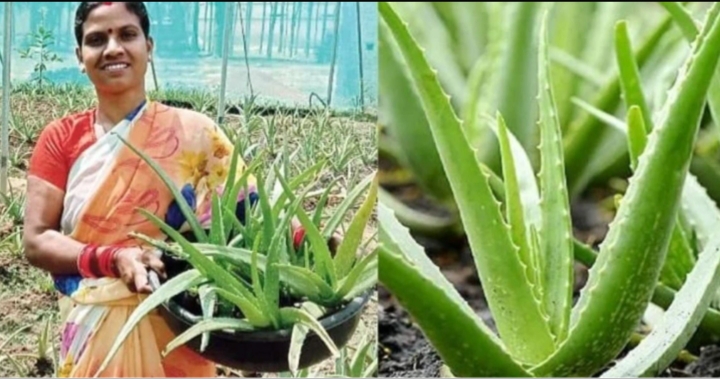
The beauty and personal care industry is increasingly turning to natural ingredients, making aloe vera one of the most sought-after plants in cosmetic production. Renowned for its moisturizing, soothing, and skin-friendly properties, aloe vera is widely used in a variety of skincare and haircare products. As demand continues to grow, aloe vera farming presents an attractive business opportunity for agricultural producers.
The Importance of Aloe Vera in Cosmetics
Aloe vera is packed with beneficial compounds, including vitamins, antioxidants, enzymes, and minerals. These qualities make it a popular ingredient in products such as:
- Face and body moisturizers
- Sunburn relief products
- Facial cleansers
- Hair conditioners
- Shampoos
- Beauty masks
- Skin serums
Its natural image and versatility have made it a staple ingredient for brands catering to health-conscious consumers.
Advantages of Growing Aloe Vera
Strong Industry Demand
As the market for natural beauty products expands, cosmetic manufacturers continue to seek dependable sources of aloe vera. This creates opportunities for farmers to supply raw materials to processors and brands.
Easy to Maintain
Aloe vera is known for its ability to thrive in dry conditions and requires relatively little water compared to many conventional crops. Once planted, it can remain productive for several years.
Diverse Income Opportunities
Growers can generate revenue by selling:
- Fresh aloe leaves
- Aloe vera gel
- Processed extracts
- Plant offshoots for propagation
This variety allows farmers to target multiple markets.
Ideal Growing Conditions
Aloe vera performs best in environments that offer:
- Warm temperatures
- Good sunlight exposure
- Well-drained soils
- Moderate rainfall
Proper drainage is especially important, as excessive moisture can damage the roots and affect crop performance.
Producing Quality Raw Materials
For cosmetic applications, maintaining quality is critical. Mature leaves should be harvested carefully and processed promptly to preserve the plant’s valuable properties.
Farmers can improve product quality by focusing on:
- Hygienic harvesting methods
- Proper storage and transportation
- Consistent cultivation practices
- Accurate production records
These measures can help meet the expectations of cosmetic manufacturers and processors.
Connecting with Buyers
Beyond cultivation, successful aloe vera farming requires access to reliable markets. Potential buyers include:
- Cosmetic ingredient suppliers
- Beauty product manufacturers
- Natural skincare companies
- Exporters and processors
Long-term supply agreements can help farmers secure stable demand and predictable income.
Increasing Profitability Through Processing
Value addition can significantly improve earnings. Instead of selling only raw leaves, farmers may consider producing:
- Aloe vera gel
- Concentrated aloe products
- Aloe powder
- Cosmetic-grade extracts
Processed products often attract higher prices and broader market opportunities.
Sustainable Farming as a Competitive Advantage
As sustainability becomes a priority for many beauty brands, environmentally responsible farming practices can make suppliers more attractive. Efficient water management, soil conservation, and reduced chemical use can strengthen a farm’s market position.
Final Thoughts
Aloe vera farming offers considerable potential for those looking to serve the growing cosmetics sector. With rising demand for natural ingredients, manageable cultivation requirements, and opportunities for value addition, aloe vera can be a rewarding crop for farmers focused on quality, consistency, and sustainable production practices.