
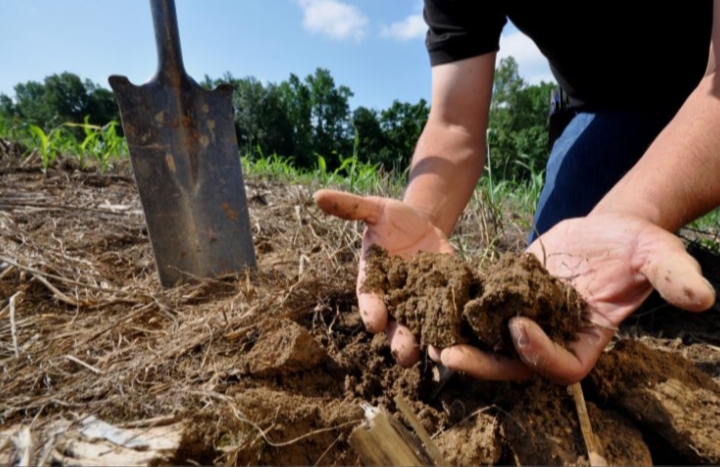
Soil is a vital natural resource that supports plant growth, food production, and healthy ecosystems. It also plays an important role in storing water, recycling nutrients, and sustaining biodiversity. However, soil quality is increasingly threatened by erosion, deforestation, overgrazing, poor farming practices, and climate-related factors. Soil conservation refers to the use of practices that protect the soil from degradation while maintaining its fertility and productivity. Applying these techniques helps ensure sustainable agriculture, environmental protection, and long-term food security.
Importance of Soil Conservation
Maintaining healthy soil is essential for successful crop production and environmental sustainability. Conserving soil helps preserve nutrients, improve water infiltration, reduce erosion, and support plant growth. It also minimizes the risk of flooding, drought, and land degradation, making agricultural systems more resilient and productive.
Factors That Contribute to Soil Degradation
Both natural processes and human activities can damage soil. Common causes include:
Water and wind erosion
Deforestation
Excessive grazing by livestock
Continuous cultivation without allowing the soil to recover
Poor irrigation practices
Overuse of chemical fertilizers and pesticides
Urban development and construction
Understanding these factors is important for developing effective strategies to protect soil resources.
Effective Soil Conservation Techniques
Contour Farming
Contour farming involves planting and ploughing across the slope rather than up and down it. This method slows the movement of rainwater, reduces surface runoff, and helps prevent soil from being washed away.
Terracing
Terracing is commonly practiced on hilly or mountainous land. By creating a series of flat steps on slopes, terraces reduce erosion, improve water retention, and preserve fertile topsoil for crop production.
Crop Rotation
Crop rotation is the practice of growing different crops on the same field in a planned sequence. This technique improves soil fertility, interrupts pest and disease cycles, enhances soil structure, and reduces dependence on chemical fertilizers.
Cover Cropping
Cover crops are planted mainly to protect and enrich the soil rather than for harvest. They help prevent erosion, increase organic matter, improve soil fertility, suppress weed growth, and retain soil moisture.
Mulching
Applying organic materials such as straw, dry leaves, grass clippings, or wood chips over the soil surface is known as mulching. This practice conserves moisture, reduces weed growth, regulates soil temperature, and protects the soil from erosion.
Conservation Tillage
Conservation tillage reduces the amount of soil disturbance during land preparation. Leaving crop residues on the field protects the soil surface, conserves moisture, and increases organic matter, leading to improved soil health.
Agroforestry
Agroforestry integrates trees with crops or livestock on the same piece of land. Trees help reduce erosion, improve soil fertility through leaf litter, provide shade, and create habitats that support biodiversity.
Windbreaks and Shelterbelts
Planting rows of trees or shrubs around farms helps reduce the force of strong winds. These windbreaks protect crops, decrease wind erosion, and help conserve soil moisture.
Controlled Grazing
Proper management of grazing animals prevents excessive removal of vegetation, which exposes soil to erosion. Rotational grazing allows pasture plants to recover, promoting healthier soils and more productive grazing land.
Efficient Irrigation Practices
Using appropriate irrigation methods, such as drip irrigation or carefully scheduled watering, helps prevent waterlogging, soil salinity, and erosion while conserving valuable water resources.
Advantages of Soil Conservation
Practicing soil conservation offers several important benefits, including:
Lower rates of soil erosion
Improved soil fertility
Increased agricultural productivity
Better moisture retention
Enhanced biodiversity
Reduced environmental pollution
Greater resilience to climate change
Sustainable use of land resources
These advantages contribute to improved crop yields and long-term environmental health.
Challenges to Soil Conservation
Although soil conservation provides significant benefits, several factors can limit its adoption. These include limited financial resources, inadequate technical knowledge, climate change, population pressure, insufficient government support, and restricted access to modern conservation technologies. Addressing these barriers requires education, investment, and effective agricultural policies.
Conclusion
Soil conservation is essential for protecting one of the world’s most valuable natural resources. Practices such as contour farming, terracing, crop rotation, cover cropping, mulching, conservation tillage, agroforestry, controlled grazing, and efficient irrigation help maintain soil fertility, reduce erosion, and improve agricultural productivity. By adopting these sustainable techniques, farmers can protect the environment, enhance food production, and preserve fertile land for future generations.