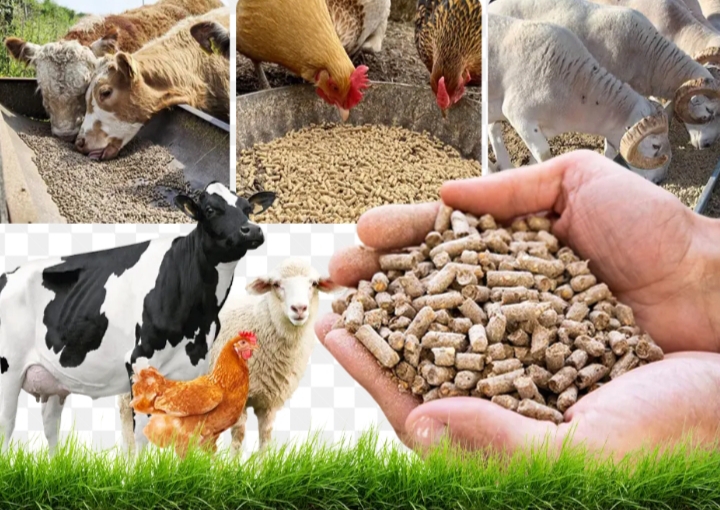
Animal nutrition is a fundamental aspect of livestock production, directly influencing growth, health, reproduction, and productivity. Proper nutrition ensures that animals receive the essential nutrients needed to maintain body functions, support development, and produce meat, milk, eggs, or other animal products efficiently. Feed formulation is the process of combining different feed ingredients in appropriate proportions to meet the nutritional requirements of specific animals while minimizing costs. A well-formulated diet improves animal performance, reduces feed wastage, and enhances farm profitability.
Understanding Animal Nutrition
Animal nutrition involves supplying animals with the nutrients necessary for growth, maintenance, reproduction, and overall health. The nutritional needs of animals vary depending on factors such as species, age, body weight, physiological condition, production stage, and environmental conditions. Meeting these requirements through balanced feeding promotes optimal performance and reduces the risk of nutritional deficiencies.
Essential Nutrients in Animal Feed
Animals require several classes of nutrients for normal body functions.
Carbohydrates serve as the primary source of energy, enabling animals to carry out daily activities and maintain body temperature.
Proteins are essential for muscle growth, tissue repair, enzyme production, and immune function. High-quality protein sources include soybean meal, fish meal, groundnut cake, and legumes.
Fats and oils provide concentrated energy and supply essential fatty acids that support growth, reproduction, and the absorption of fat-soluble vitamins.
Vitamins regulate numerous metabolic processes and contribute to healthy growth, vision, reproduction, and disease resistance.
Minerals, including calcium, phosphorus, sodium, potassium, iron, and zinc, are necessary for strong bones, proper nerve function, enzyme activity, and fluid balance.
Water is often overlooked but is the most important nutrient. It supports digestion, nutrient transport, temperature regulation, and waste removal. Animals should always have access to clean, fresh water.
What Is Feed Formulation?
Feed formulation is the process of selecting and combining feed ingredients to produce a balanced ration that meets an animal’s nutritional needs at the lowest practical cost. It considers nutrient composition, ingredient availability, digestibility, palatability, and economic factors to ensure efficient animal production.
Factors Affecting Feed Formulation
Several factors influence the formulation of animal feeds, including:
Animal species and breed
Age and body weight
Production purpose (meat, milk, eggs, breeding, or work)
Growth stage and physiological status
Nutrient requirements
Availability and cost of feed ingredients
Feed quality and digestibility
Environmental and climatic conditions
Considering these factors helps ensure that animals receive diets suited to their specific needs.
Common Feed Ingredients
Feed ingredients are selected based on their nutrient content and availability. Common ingredients include:
Maize, sorghum, wheat, and cassava as energy sources
Soybean meal, fish meal, cottonseed meal, and groundnut cake as protein sources
Vegetable oils and animal fats as energy supplements
Limestone and dicalcium phosphate as mineral sources
Salt and vitamin-mineral premixes to provide essential micronutrients
The combination of these ingredients varies depending on the nutritional requirements of the target animal.
Steps in Feed Formulation
Effective feed formulation generally involves the following steps:
Determine the nutritional requirements of the animal.
Select suitable feed ingredients based on nutrient content and availability.
Calculate the proportions needed to provide a balanced diet.
Evaluate the cost-effectiveness of the formulation.
Mix the ingredients thoroughly to ensure uniform nutrient distribution.
Monitor animal performance and adjust the formulation when necessary.
Benefits of Proper Feed Formulation
A balanced feed offers numerous advantages, including:
Improved growth and productivity
Better feed conversion efficiency
Enhanced reproductive performance
Stronger immune function
Reduced incidence of nutritional disorders
Lower feeding costs through efficient ingredient use
Improved quality of animal products such as meat, milk, and eggs
Challenges in Feed Formulation
Livestock producers may encounter several challenges when formulating feeds, including fluctuating ingredient prices, seasonal shortages, poor-quality raw materials, nutrient variability, contamination by toxins, and limited access to feed analysis laboratories. Careful planning and quality control are essential to overcome these challenges.
Modern Approaches to Feed Formulation
Advances in animal nutrition have led to the use of computer software and precision nutrition techniques for feed formulation. These tools calculate nutrient requirements accurately, optimize ingredient combinations, and reduce feed costs while maintaining animal performance. The use of enzymes, probiotics, and other feed additives has also improved nutrient utilization and digestive health in many livestock species.
Conclusion
Feed formulation is a critical component of successful animal production. By providing balanced diets that meet the nutritional needs of livestock, farmers can improve growth, health, reproductive efficiency, and product quality while reducing production costs. Understanding the principles of animal nutrition and applying sound feed formulation practices are essential for achieving sustainable and profitable livestock farming.