
Introduction
Agriculture plays a crucial role in supporting livelihoods and ensuring food security around the world. With the global population steadily increasing, farmers face the challenge of producing more food while using limited natural resources responsibly. Precision agriculture has become an innovative farming approach that helps increase crop productivity by applying modern technology and data-driven methods to improve farm management.
Understanding Precision Agriculture
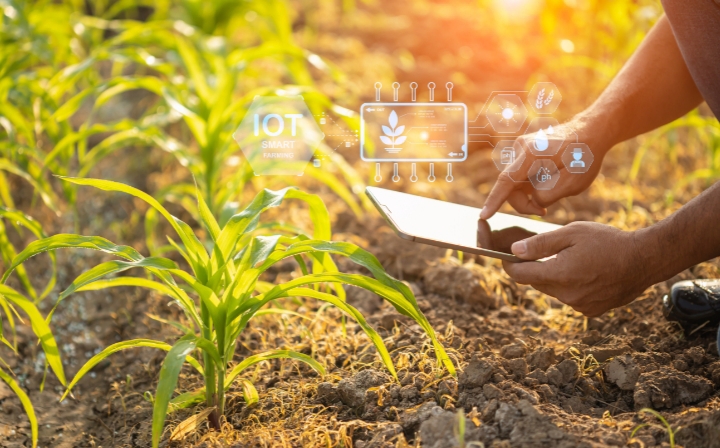
Precision agriculture, often referred to as smart farming, is a method of farming that uses digital technologies to monitor and manage agricultural activities more efficiently. It involves the use of tools such as GPS, drones, satellite images, soil sensors, Geographic Information Systems (GIS), and data analysis software to gather detailed information about farmland. This enables farmers to manage different parts of a field according to their specific needs instead of treating the entire field the same way.
Ways Precision Agriculture Improves Crop Yields
- Better Soil Management
The foundation of successful crop production is healthy soil. Precision agriculture uses soil testing, sensors, and mapping technologies to determine soil characteristics such as nutrient levels, moisture content, and pH. Farmers can then apply fertilizers more accurately, promoting healthier plant growth and reducing nutrient loss.
- Smarter Irrigation Practices
Efficient water use is essential for sustainable farming. Smart irrigation systems monitor soil moisture and weather conditions to determine the right amount of water crops require. This prevents excessive watering or drought stress, leading to healthier plants and improved harvests while conserving water.
- Quick Identification of Crop Issues
Advanced technologies such as drones and satellite imaging allow farmers to monitor crop conditions regularly. These tools can identify diseases, pest attacks, or nutrient deficiencies at an early stage, allowing farmers to take corrective measures before serious damage occurs.
- Targeted Application of Farm Inputs
Variable Rate Technology (VRT) enables farmers to apply fertilizers, herbicides, and pesticides only where they are needed and in the correct quantities. This improves crop performance, reduces unnecessary expenses, and minimizes the environmental impact of farming activities.
- Data-Based Farm Decisions
Precision agriculture relies heavily on accurate data collection and analysis. Information about weather conditions, soil quality, crop growth, and previous harvests helps farmers make informed decisions regarding planting, irrigation, fertilization, and harvesting schedules, leading to greater efficiency and productivity.
Advantages of Precision Agriculture
The use of precision agriculture provides several important benefits, including:
Higher crop yields through efficient farm management.
Lower production costs by reducing waste of agricultural inputs.
More effective use of water, fertilizers, and energy.
Reduced environmental pollution through precise chemical application.
Improved ability to respond to weather changes and crop challenges.
Increased farm profitability and long-term sustainability.
Challenges Facing Precision Agriculture
Although precision agriculture offers many advantages, its adoption can be difficult for some farmers. Modern equipment and digital technologies often require significant financial investment. In addition, limited internet access, inadequate technical support, and the need for specialized training can slow adoption, especially in rural communities and among small-scale farmers.
Future Outlook
The future of precision agriculture is promising as technologies such as artificial intelligence (AI), machine learning, robotics, and the Internet of Things (IoT) continue to evolve. These innovations are expected to improve farm efficiency by supporting automated machinery, intelligent crop monitoring, and more accurate decision-making. As these technologies become more affordable, precision agriculture is likely to be adopted more widely around the world.
Conclusion
Precision agriculture is transforming modern farming by combining advanced technology with informed decision-making. Through accurate soil assessment, efficient irrigation, early detection of crop problems, and precise application of farm inputs, farmers can achieve higher yields while reducing costs and protecting the environment. Although some challenges remain, continued technological development is making precision agriculture increasingly practical and accessible, positioning it as an essential strategy for meeting future food production needs sustainably.